Category 06 of 08

Science & Mathematics

Rutherford split the atom. Kerr bent the maths of black holes. From hydraulic economic computers to knot theory, New Zealanders have reshaped how we understand the universe.

12 inventions documented — each one inline below

06.01 Kerr Metric — Prof Roy Kerr
Prof Roy Kerr

Kerr Metric

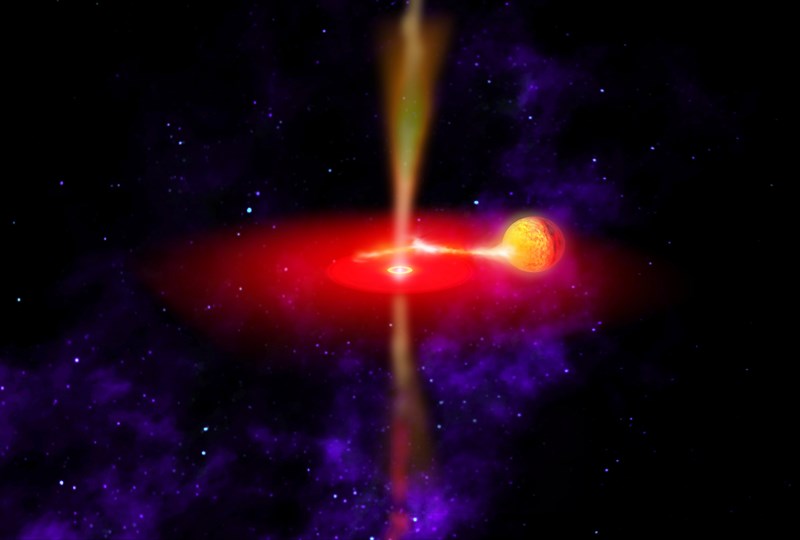
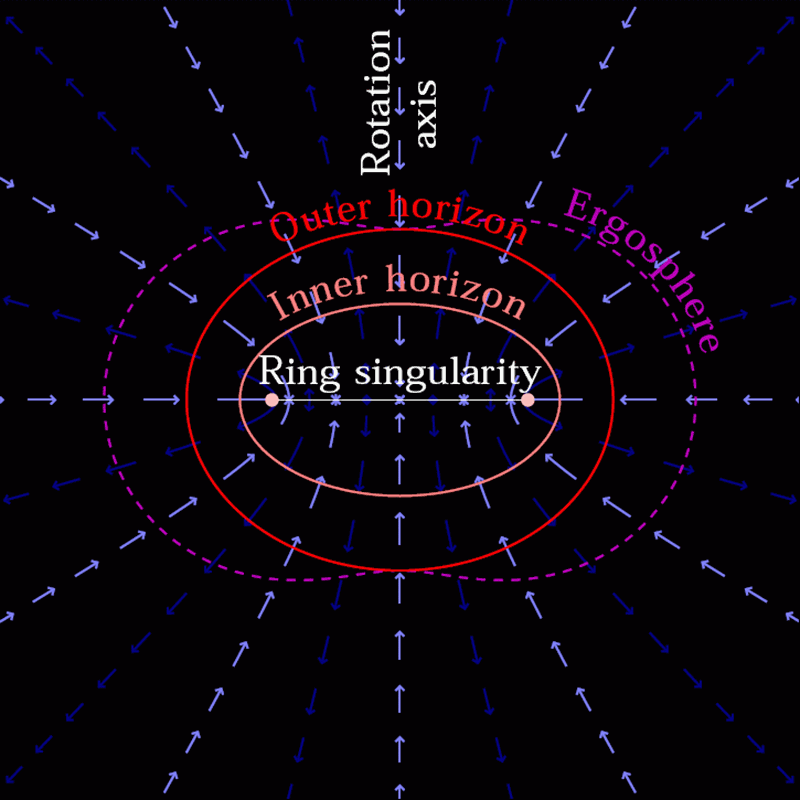
What Kerr did was to sit down and write some very complex equations which model very accurately what goes on near a black hole. Scientists use Kerr's equations to guess what black holes might do as they pass through space, and science fiction writers ignore Kerr's equations when they make spaceships fly into them and arrive in another dimension. If Arthur C. Clarke had just done his maths, that whole 2001 Space Odyssey thing would never have happened. From the time of Kerr's announcement of his theory, it proved to be enormously useful way of describing what scientists call 'spacetime'. The 'Kerr Metric' (also known as the Kerr Vacuum solution), is still the method used to examine the complex geometry of the region surrounding black holes.

06.02 Knot Theory — Dr Vaughan Jones
Dr Vaughan Jones

Knot Theory

The Fields Medal is often referred to as the 'Nobel Prize' of mathematics. It is only awarded to up to four mathematicians worldwide, and only every four years, for significant contributions to the study of mathematics by those under the age of 40.

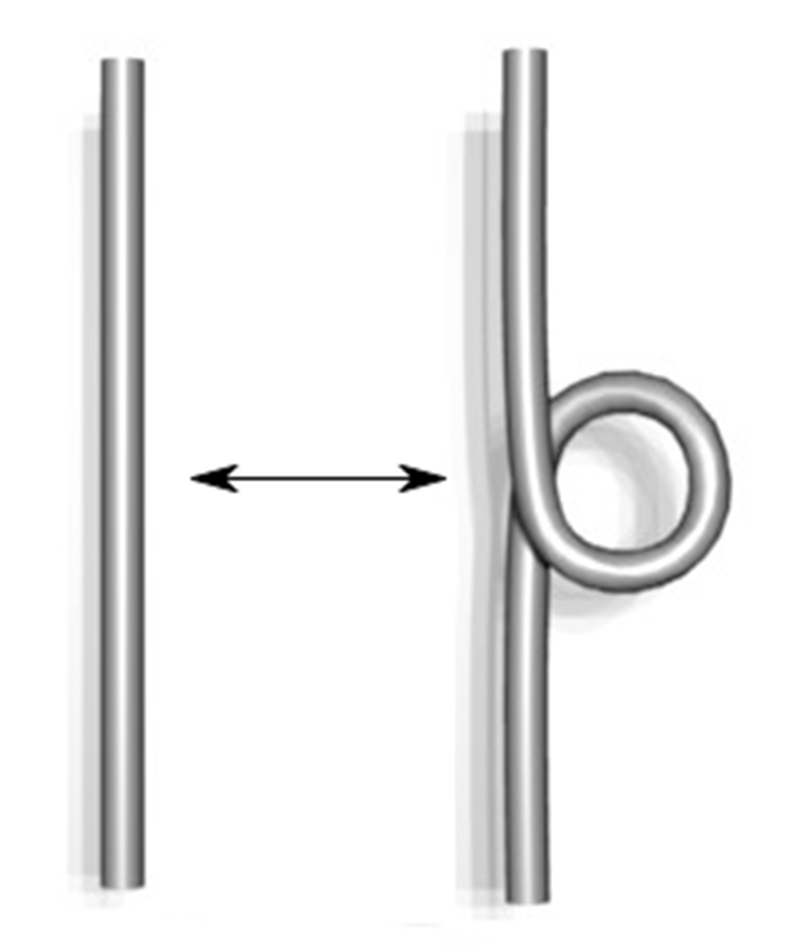
The only New Zealander ever to receive one is Sir Vaughan Jones (b. 1952) who received his Fields Medal in 1990 for work done in the mathematical area called Topology. Topology is a branch of mathematics regarding shapes. It is often called 'rubber sheet geometry', and this has nothing to do with mathematician's propensity for bed-wetting. Rather, it's the idea that in Topology shapes are defined not by their geometric shapes, but by their complexity.

06.03 Racing Tote — George Julius
George Julius

Racing Tote

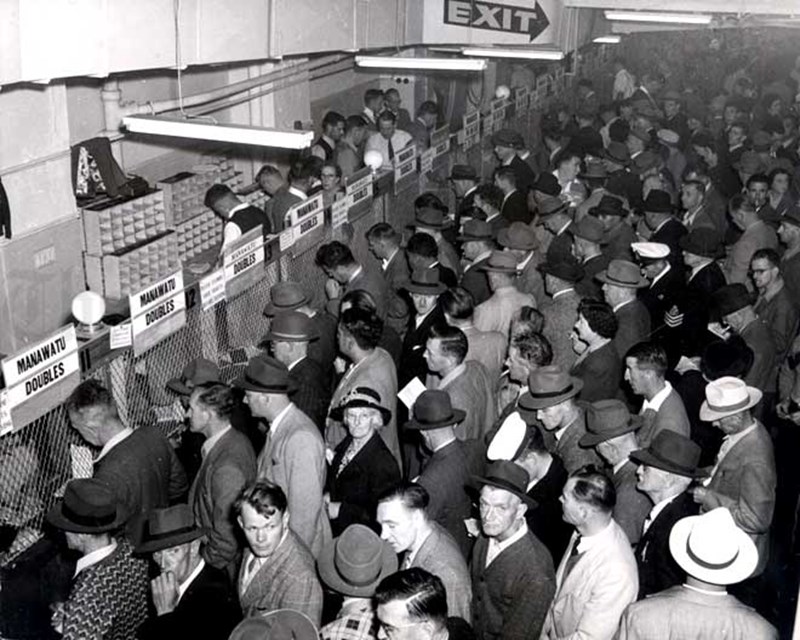
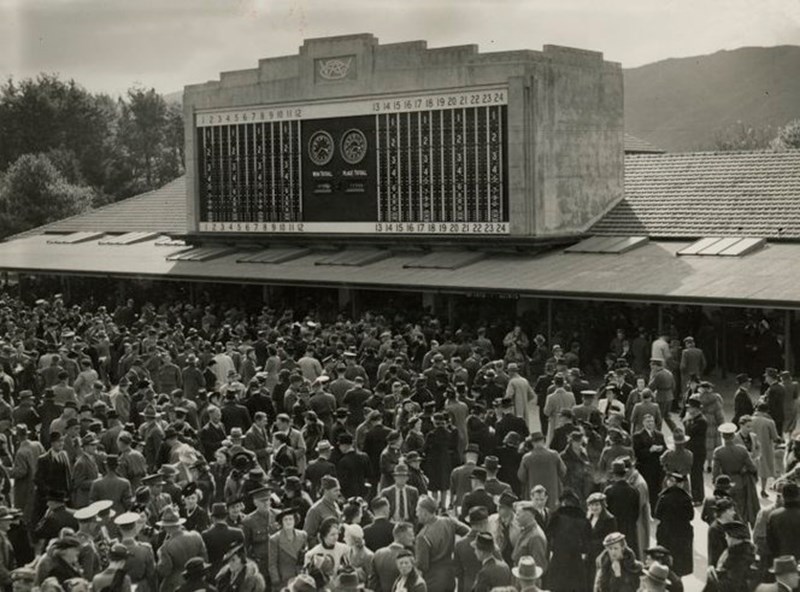
Gambling has always been a big part of New Zealand life, and horse racing has long been our favourite way to lose money. New Zealanders love to try and pick which horse will be able to run the fastest. In 1913 the first automatic totalisator in the world was installed at Ellerslie Race Course. When punters place a bet on a horse, the amount of the bet must be recorded. The amount each horse has placed on it is tallied and at the end of the betting, the odds are calculated by what proportion of bets is placed on each horse. This process is called totalisation.

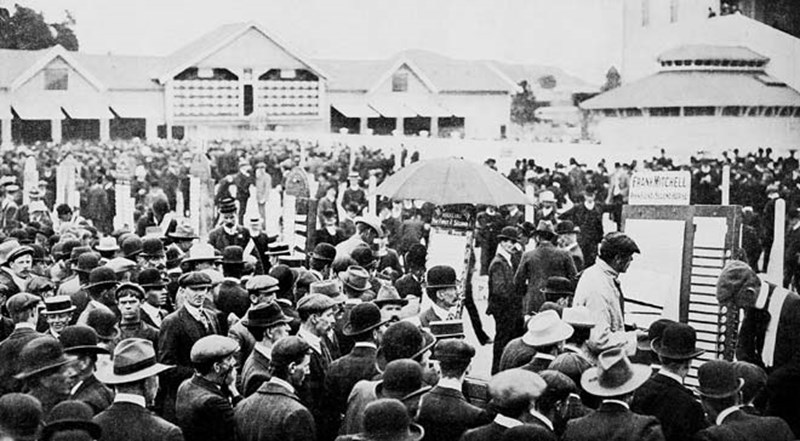
Before 1913, the bets were taken, and these calculations carried out, manually. It was slow and inaccurate, and the race could not begin until all the bets were totalled and the odds calculated. Bookies could run a service (from their spots standing on wooden boxes) just as smoothly.

So, despite being legally banned from racecourses in 1911, the bookmakers still pulled in money - probably as much as the racecourse totalisators.

06.04 Death Ray — Victor Penny
Victor Penny

Death Ray

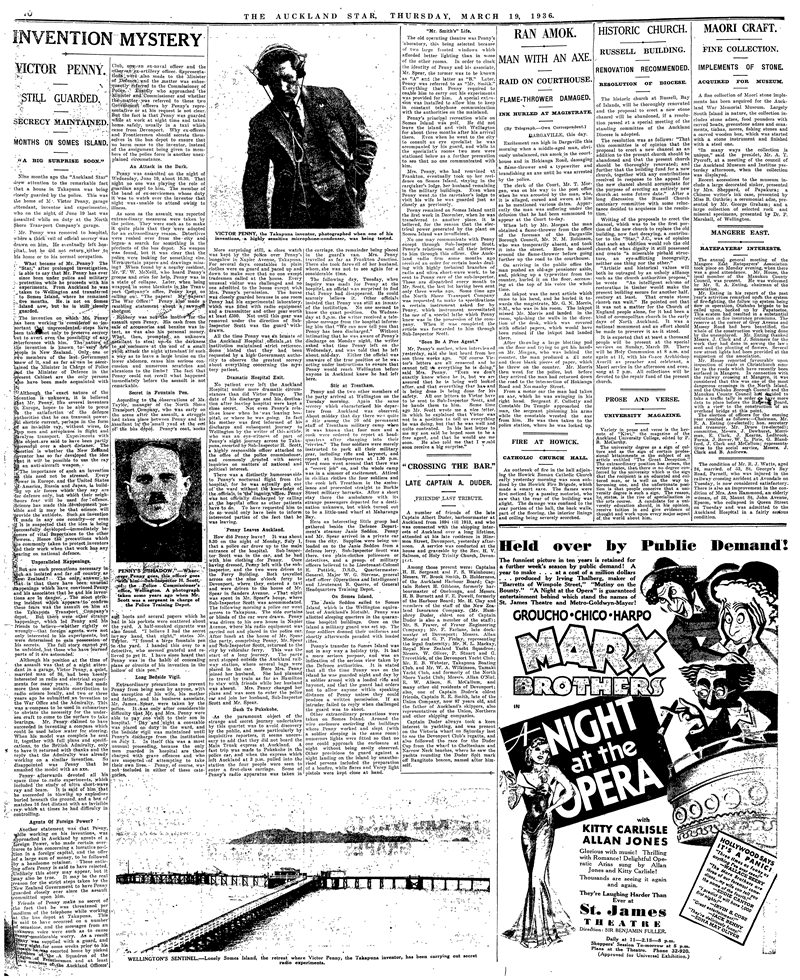
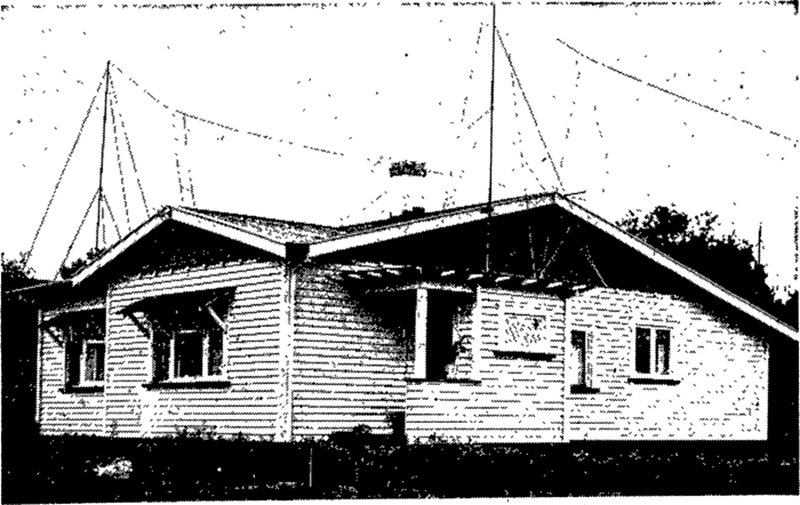
It is 1935, between the wars. On Somes Island in Wellington Harbour, the old hospital buildings have been turned into a laboratory where an Auckland inventor called Victor Penny (b. 1900, d. ?) is working on an invention. Day and night, the buildings are guarded by four soldiers with rifles and bayonets. Nobody is allowed to see to Mr Penny. If anyone approaches without identifying themselves, they are to be shot. For six months the inventor works at Somes Island, protected from intrusion, and at the expense of the New Zealand government.

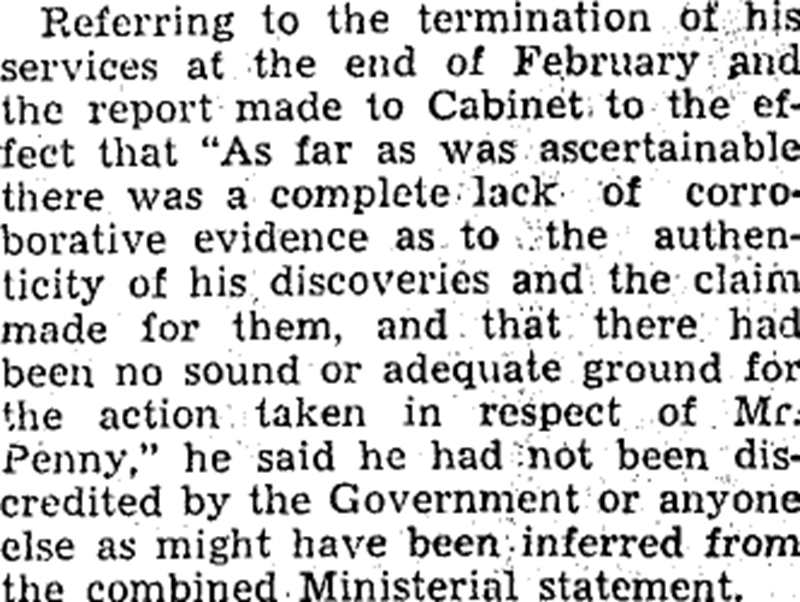
Word has it he is at work on a weapon called the 'Death Ray'. There are really two stories to tell here. The first is the story that the public of New Zealand learned at the time from newspaper reports and word-of-mouth. Because the events were surrounded by secrecy, and because of a lack of understanding of the technology Penny was working on, this story is full of misunderstandings and sensationalism. The second story is the truth behind the events, and may never fully be known.

Victor Penny was a very serious man and intensely patriotic. He was sworn to secrecy over the affair, and took to his grave a good deal of these facts.

06.05 Superconductor Technology — Jeff Tallon, Bob Buckley
Jeff Tallon, Bob Buckley

Superconductor Technology

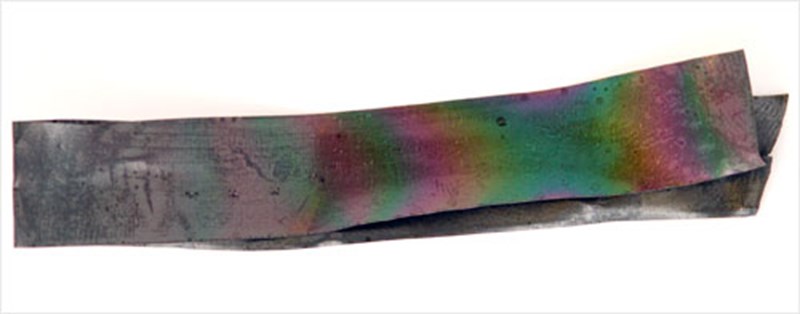
The coldest temperature possible in the universe is minus 273 degrees on the Celsius scale, also known as 0 degrees on the Kelvin scale. At this point matter basically freezes, and all motion of atoms and molecules stops.

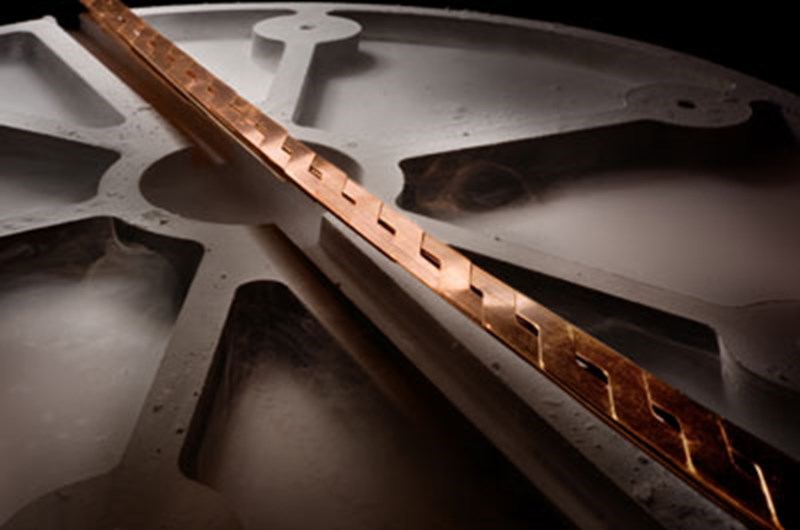
Not surprisingly, it is extremely hard to create temperatures this cold, but scientists today can get within a half of a degree of it. When cooled to near this coldest limit, certain metals began to show some remarkable properties - they started to -superconduct' - that is, allow electrons to pass through them with no resistance at all. 'Brilliant', the optimists said, 'within 10 years we'll have 100% efficiency, levitating trains and a better world'. That was in 1911, and so far, few of these things have taken off (apart from the odd prototype of levitating trains). It turns out that superconductors at these extremely cold temperatures are very expensive to set up.

So for many years the search has been on for superconductors that can work at warmer temperatures - that's warmer relative to 0 degrees Kelvin, still not warm enough to be running around in your undies.

06.06 Evolution of galaxy / cosmology — Beatrice Tinsley
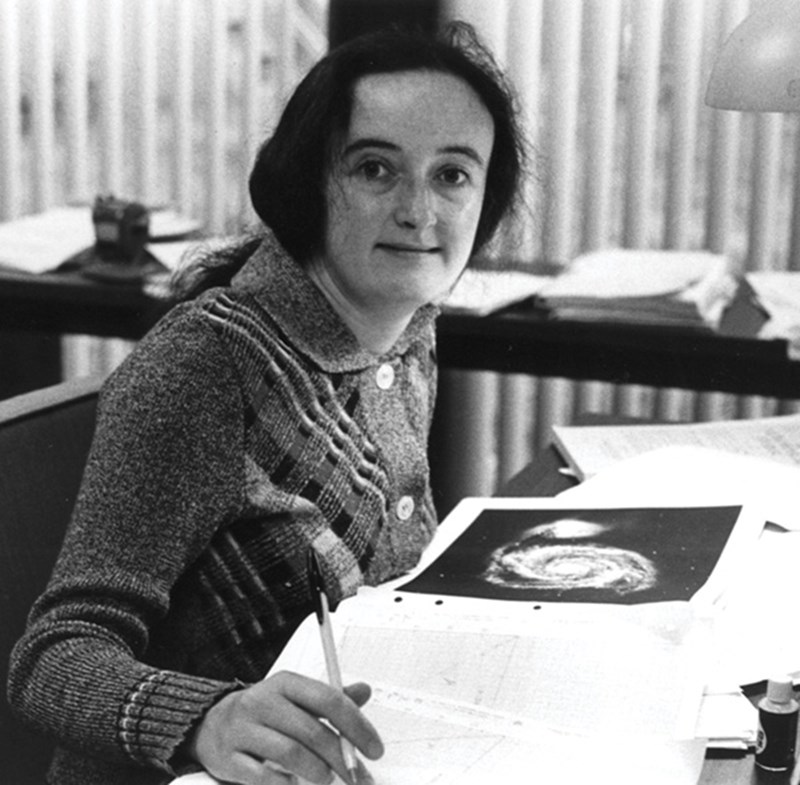
Beatrice Tinsley

Evolution of galaxy / cosmology

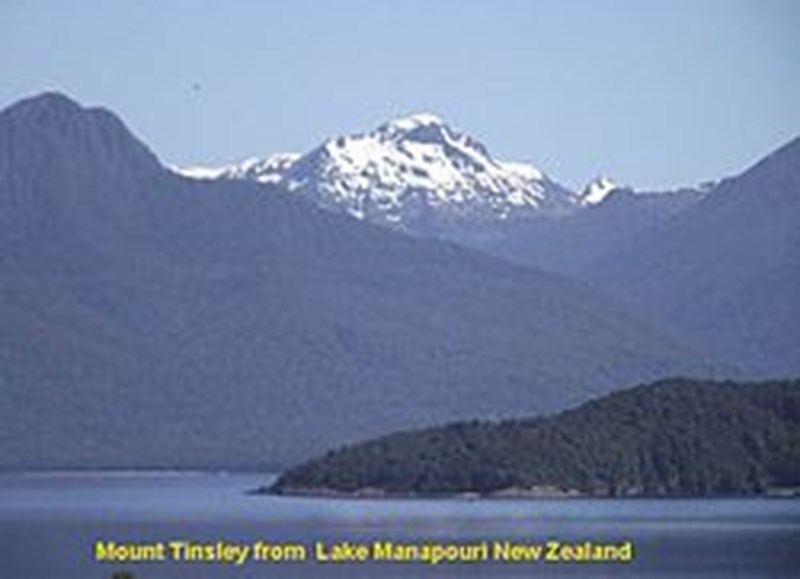
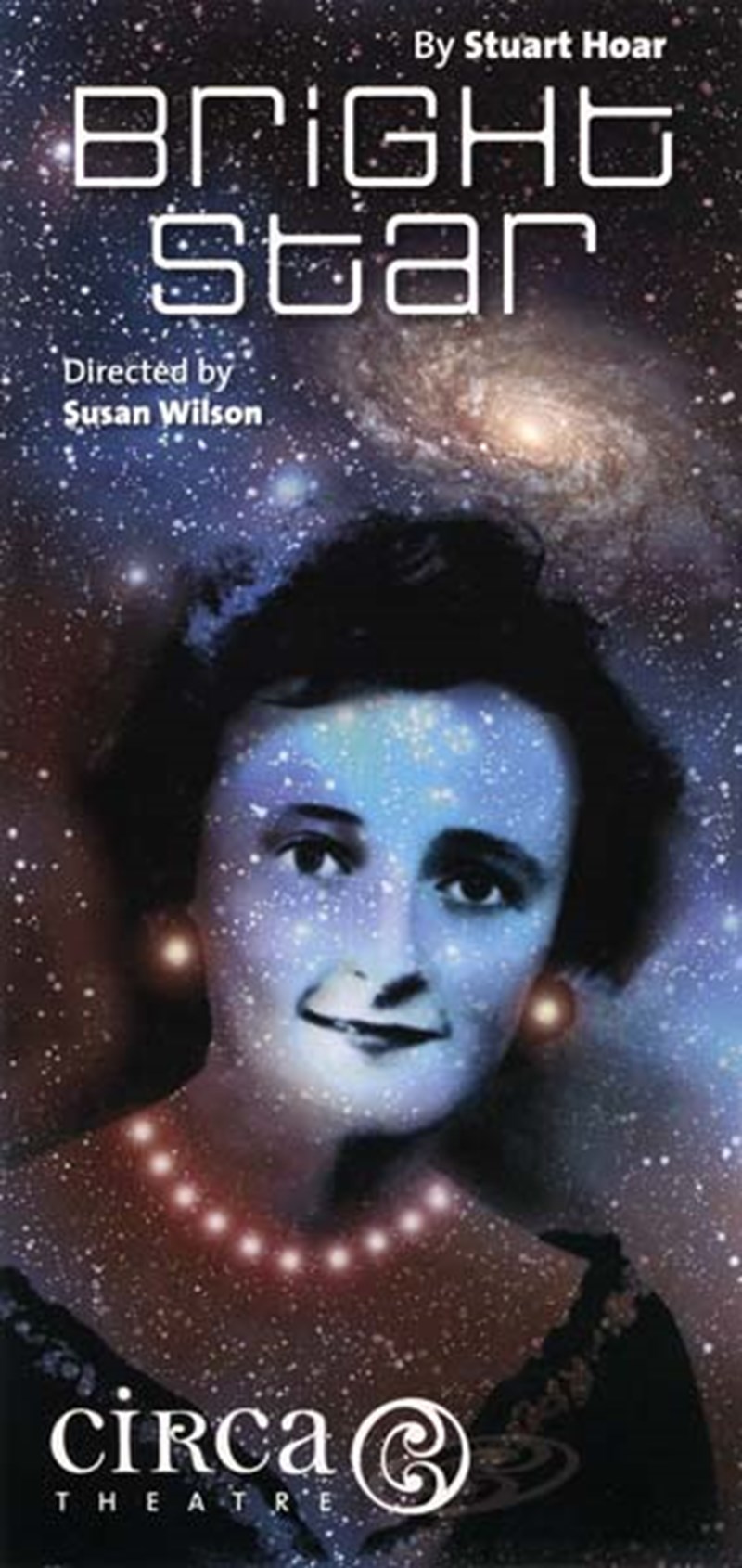
Tinsley's work was on the development of these galaxies and of the stars within.

She asked 'how did they form?' Tinsley created models of galactic formation that were said to be more realistic than other models at the time, combining a detailed understanding of stellar evolution with knowledge of the motions of stars and nuclear physics. In short, Tinsley married together many branches of knowledge and created a workable model of galactic creation. Her work had profound effects on the study of astrophysics at the time, changing the direction of thinking on galactic formation.

Tinsley herself went on to become the professor of Astrophysics at Yale University in 1978, but unfortunately she was diagnosed with cancer the same year, and passed away 3 years later, although she continued to work right up until her death. Throughout her life Tinsley authored over 100 scientific papers, and was heralded as a great scientist, teacher and an inspiration to women scientists both in America and New Zealand.

06.07 Split Atom — Ernest Rutherford
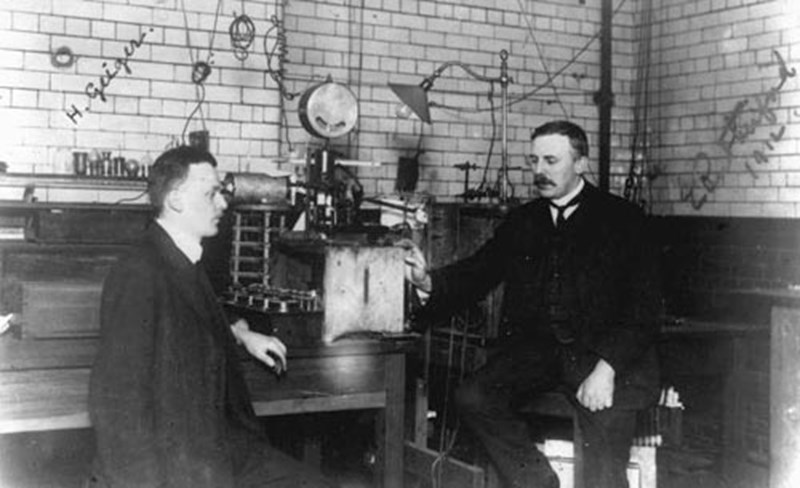
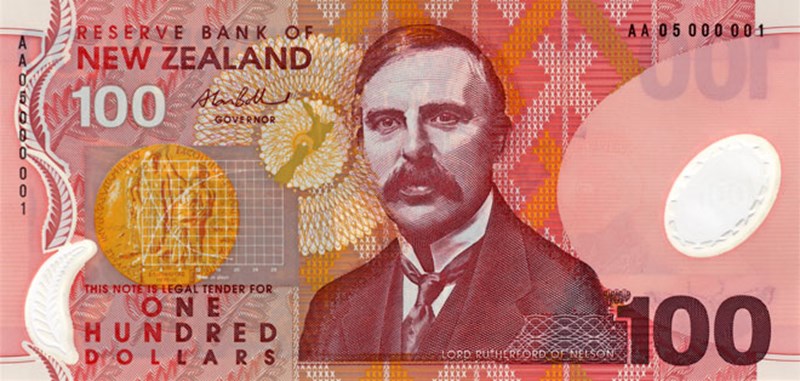
Ernest Rutherford

Split Atom

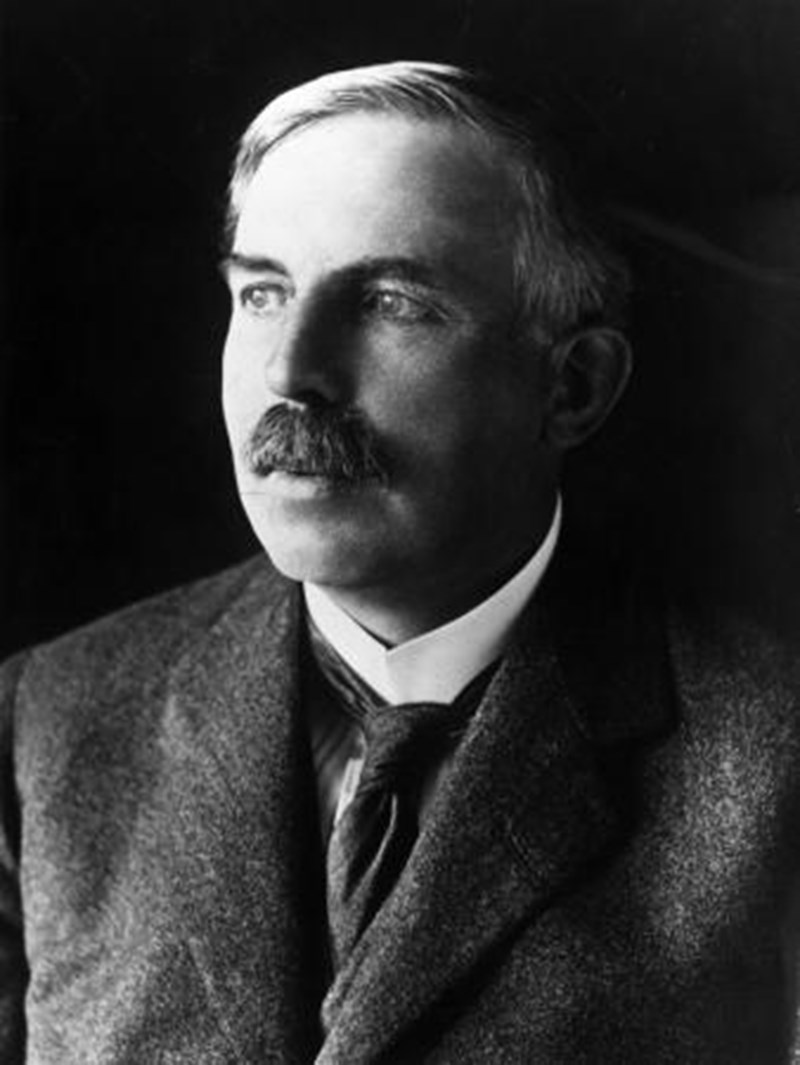
Rutherford (b. 1871, d. 1937) was, by all accounts a very clever child. He breezed through school, where he seems to have had the quintessential Kiwi education - head boy and in the first XV. He went on to Canterbury University, completing an undergraduate degree and an honours year and publishing a couple of scientific papers, which got him noticed overseas as an outstanding innovator in the forefront of electricity research.

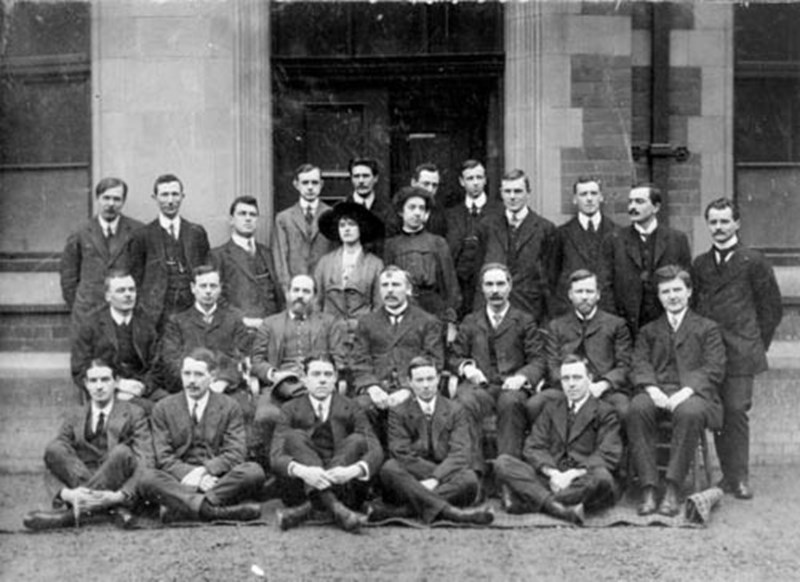
He won a scholarship and moved to England in 1895 and began as a research student at the distinguished Cavendish College in Cambridge - the first ever 'foreigner' to be honoured in such a way, and possibly the first example of many a Kiwi having to leave New Zealand to continue his career. The beginning of the brain drain?

Rutherford did extremely well in this role, contributing a lot to the work at the laboratory, and gaining him an invitation to work at McGill University in Canada, a role he took up eagerly. It was at McGill University that he made his first major discovery in science - that atoms can spontaneously 'transmute' into other elements through radioactivity. It was this work in explaining radioactive decay for which he won his Nobel Prize in 1908 - ironically for Rutherford, the prize was for Chemistry, not physics, yet he described himself as a physicist first and foremost.

As a by-product of this research into radioactivity, Rutherford invented radiometric dating, suggesting it could be used to finally give an accurate age for the Earth - which it eventually did. He also invented the terms 'alpha ray', 'gamma ray' and 'half-life' to help describe radioactivity.

06.08 Acoustics systems — Mark Poletti
Mark Poletti

Acoustics systems

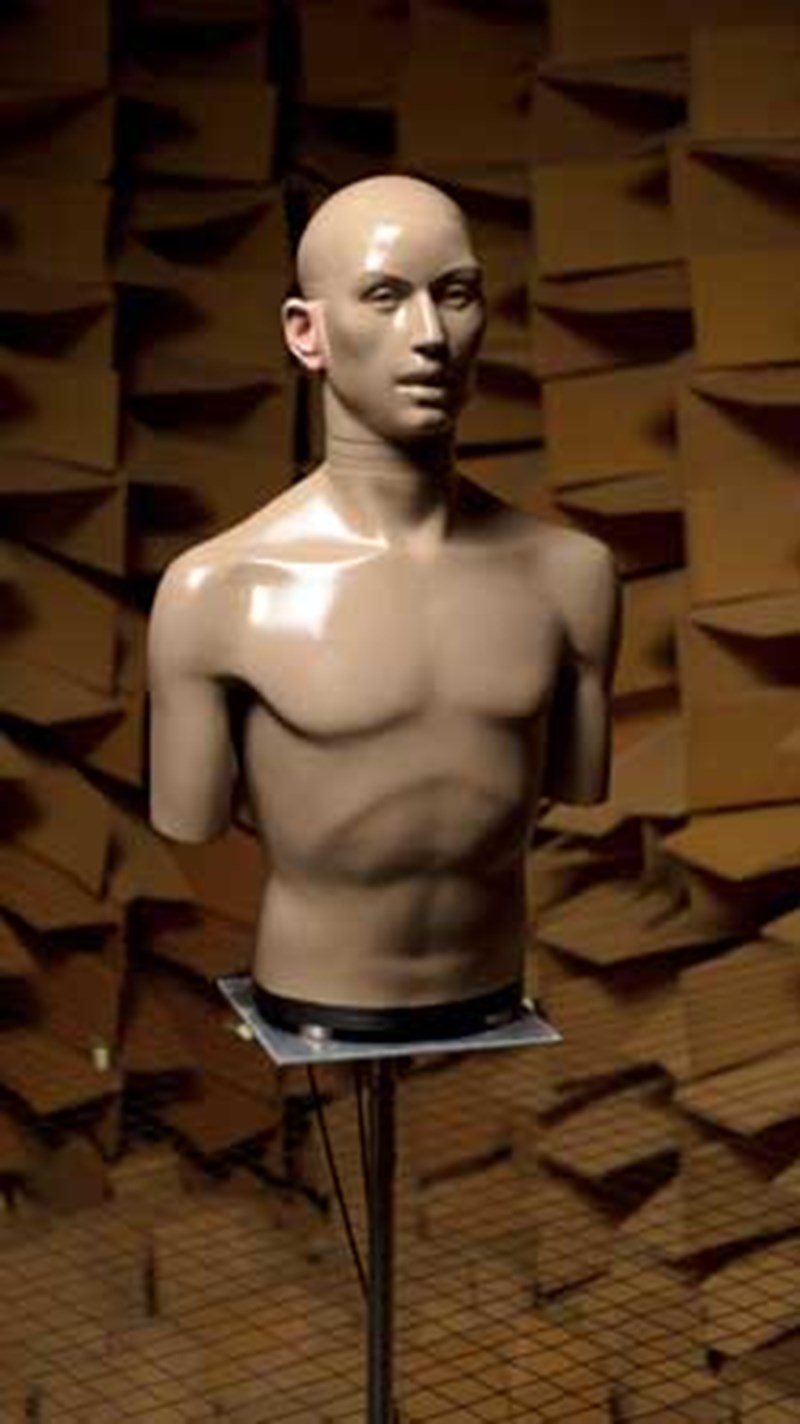
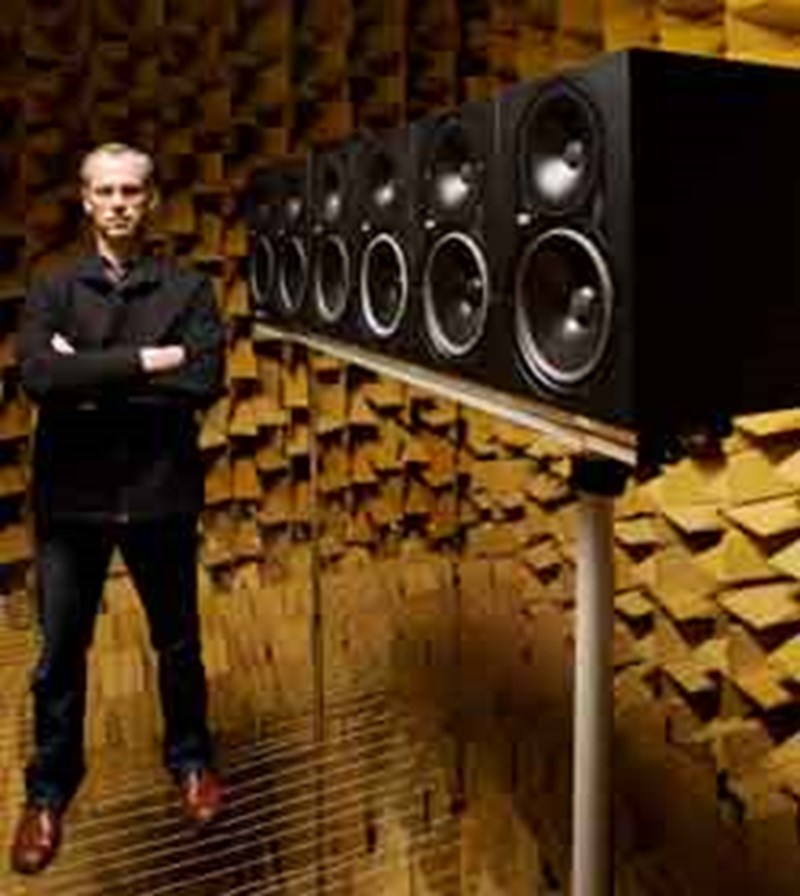
Poletti is a scientist specialising in acoustics and the science of sound. Among his many innovations are a solid-state guitar amplifier ('If you want something done properly, do it yourself!') and a number of patents around the design of algorithms for sound processing.

It was one of these, the 'Variable Room Acoustics System', or VRAS, which became a commercial hit. He designed the system as a way to enhance the acoustics in a room, using multiple microphones to enhance and control the reverberation of the room. The mikes make it seem like the walls are reverberating more than they are, effectively mimicking the effect of a much larger space and acting like an electronic extension to the walls.

So the VRAS system is not really like an amplifier as such, it's more like a way to electronically make the room feel bigger and give it more reverberation.

06.09 NMR — Paul Callaghan
Paul Callaghan

NMR

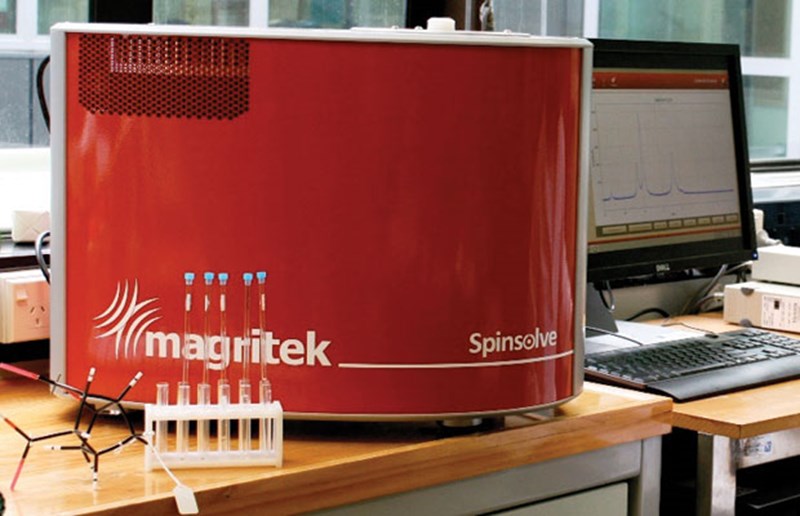
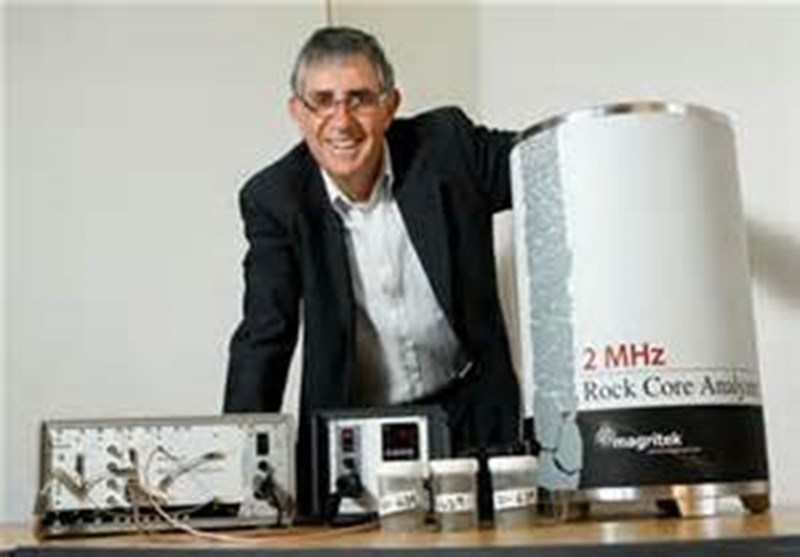
Callaghan was a New Zealand physicist whose area of study and research was in the area of nuclear magnetic resonance (NMR). This is a way of tracking molecules using radio waves. Most people are aware of the power of large MRI machines in healthcare, where signals from the magnetic fields interacting with the atoms inside the body can be used to map the inner structure of the body.

Callaghan pioneered techniques using magnetic field gradients and achieved a number of world firsts, including the imaging of the internal structure of a microporous material and the observation of the flow profile of a complex polymeric liquid during shear banding. While that sounds (and is) difficult to understand, the techniques he developed allowed for the science to explore more varied uses, for example to look at oil production, plastics production and even food products.

Dairy giant Fonterra, working with Auckland Uniservices, recently used his techniques to develop an improved form of mozzarella cheese.

06.10 MacDiarmid polymers — Alan MacDiarmid
Alan MacDiarmid

MacDiarmid polymers

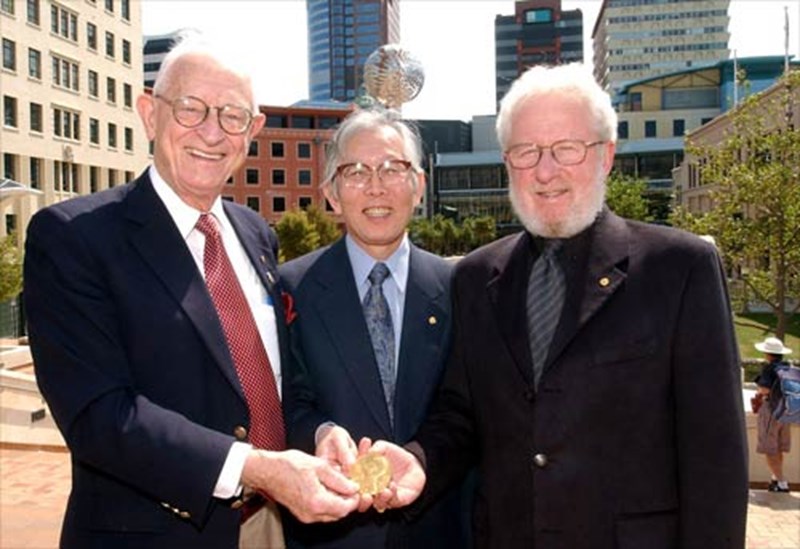
If you're not sure what conducting polymers are or why they are important, you aren't alone. It took 23 years for other scientists, the electronics industry and finally the Nobel committee to catch on to how game-changing MacDiarmid's discovery was. Put simply, a conducting polymer is a plastic that can conduct electricity.

Before MacDiarmid and his collaborators published their findings in 1977 it was thought the two terms were mutually exclusive. To help illustrate why the discovery has had such an impact on the world, look at it this way: On the one hand we have plastics which are cheap, easy to synthesise, cheap to process, light in weight, and easily mouldable into any shape. We all know how many uses plastics have been put to in everyday life.

On the other hand we have something equally important ' metals that conduct electricity. Conductors are elemental in the manufacture of all the electronic devices that are increasingly changing our world. But conductors are all metals. They are neither cheap, nor easily synthesised, easily processed or light in weight.

06.11 Moniac hydraulic computer — Bill Phillips
Bill Phillips

Moniac hydraulic computer

Understanding an entire economy – where the money goes, where the tax comes from, how investment and savings work – is hard. Everything is sort of interconnected, and changing one small thing can change the whole system in a complex and unpredictable way. That’s why on the TV news most evenings, expert economists try to explain to us laypeople why our mortgages just went up or why the price of big screen plasma displays is so good at the moment.

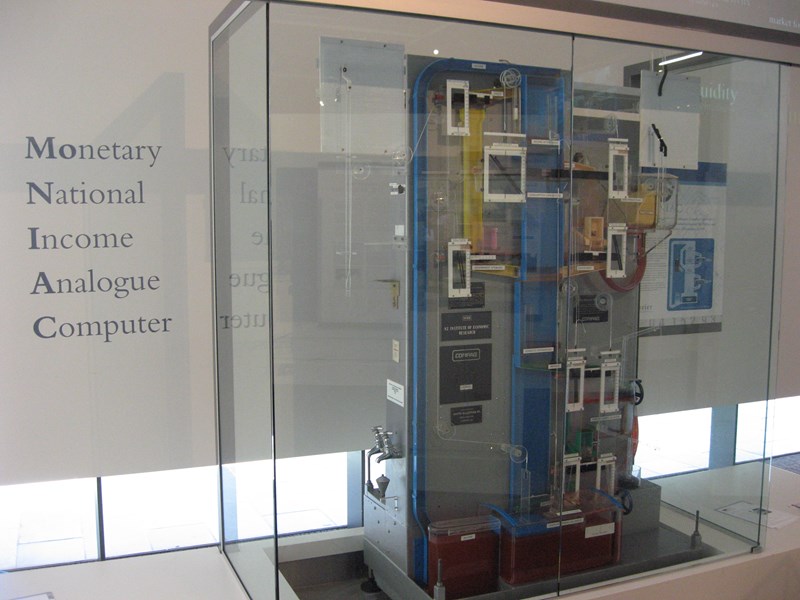
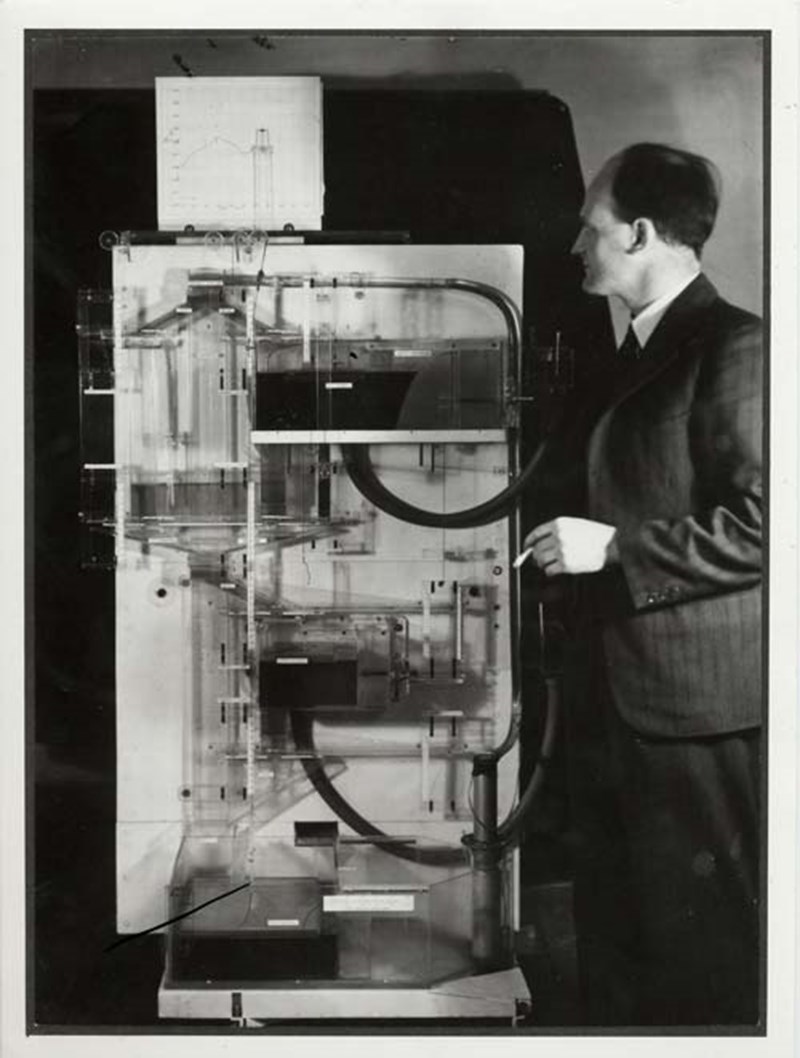
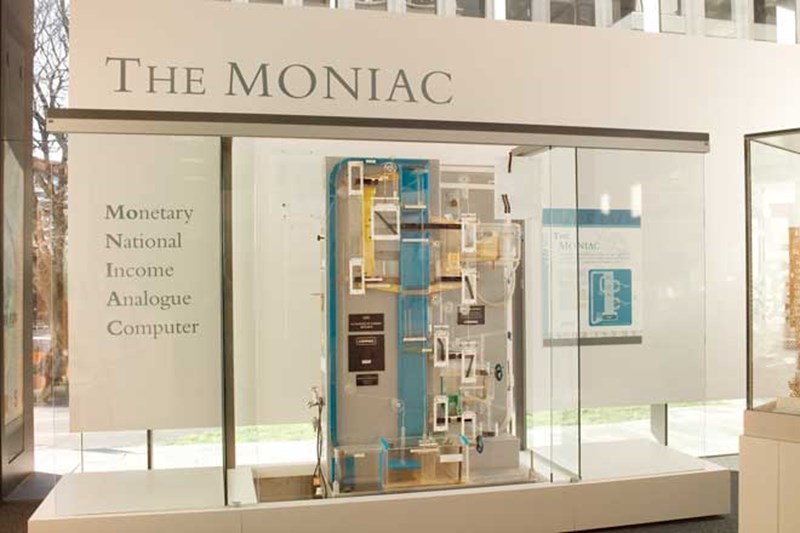
Alban William Housego Phillips – call him Bill (b. 1914, d. 1975) decided to make economics more accessible in 1949 when he built the ‘Monetary National Income Analogue Computer’ – also known by the admirable name ‘Financephalograph’. Bill wasn’t a normal economist, and this wasn’t a normal computer (as we currently understand them), this was a machine that used fluid logic. Literally fluid – the machine used pipes and water, moving around in a series of tanks, to model the UK national economy. The water flowing represented money, so you could see money coming in from central treasury, and from other countries. The water flowed through the system between savings, investments and the like with some being syphoned off for taxes. The metaphorical alignment between the monetary system and the water-based machine continued when you could see savings dry up and debts overflowing.

Bill initially built the machine as a teaching aid, to show the workings of the UK economy, but an unexpected thing happened. He discovered his contraption had a very small error rate, and offered an effective way of modelling a very complex system. Long before we even knew what real computer models were, Phillips realised his MONIAC could be used as a simulator: put the right amounts of water into it in the right places, and the output from the computer was actually really useful in predicting the behaviour of the economy. Moving beyond the rough prototype he’d built from old Lancaster bomber aeroplane parts, he made up to 14 water computers, and sold them to diverse places such as Harvard Business School, Istanbul University and the Ford Motor Company. There is a MONIAC machine in our own Reserve Bank at the moment – ostensibly as a visual display of New Zealand ingenuity, but some allege it’s still the computer model they are using.

Bill Housego Phillips – you have to use a middle name like that as often as possible! – was born near Dannevirke. He was quite an adventurer, spending time in China and the Soviet Union as a young man, working as a crocodile hunter and a gold miner, and eventually joining the RAF and fighting in Singapore. Phillips was captured and spent three and a half years as a prisoner of war in Indonesia. There he learned Chinese from other prisoners, and endeared himself to everyone by building secret water boilers to make tea. He powered his boilers by hooking them into the lighting system: the guards would wonder why the camp lights always dimmed around about eight each night. He also repaired and miniaturised a secret radio. After the war, he was awarded an OBE for his military service.

Phillips has been described as the Indiana Jones of economics and exemplifies the classic view of a Kiwi inventor – ingenious, individually gifted, insatiably curious and good with his hands. But he was more than that too; he was a serious academic who contributed to the field of economics, through both the MONIAC and his Phillips Curve – an economic theory that describes the correlation between inflation and unemployment in an economy. Many thought if Phillips had lived longer (he died at the age of 60) he might have been in the running for a Nobel Prize for this theory. Indeed, a number of others who built their research on his publications received Nobel Prizes for their work. Phillips’ research still influences macroeconomic theory today.

Phillips’ is a life story full of adventure, invention, and contribution – not bad for an academic who described his own most famous theory as ‘quick and dirty’ and ‘done in a weekend’. Add ‘humble’ to the list of his attributes.
06.12 Punch cards — Dr Leslie Comrie
Dr Leslie Comrie

Punch cards

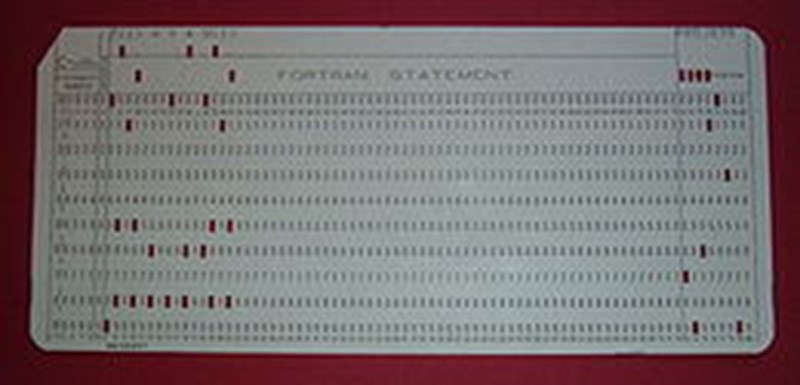
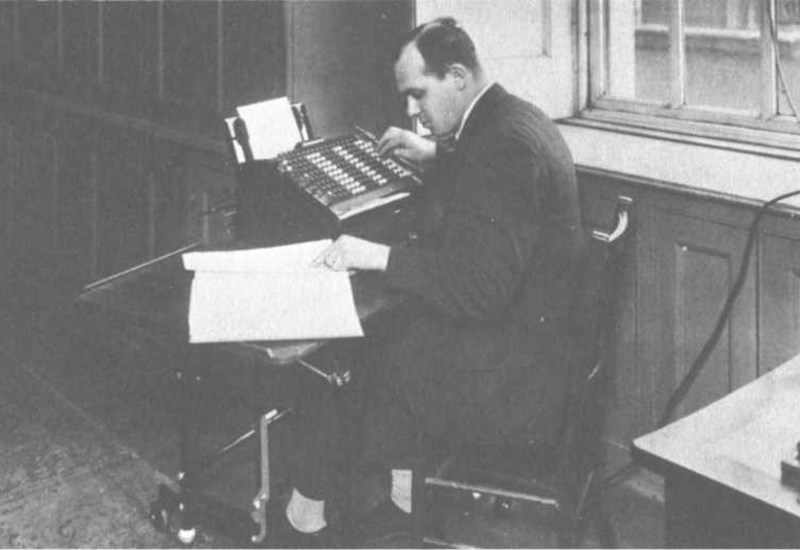
Comrie was the first to use the new 'punched card' equipment to scientific use. Punched cards had been developed to control industrial machines like looms. Comrie realised they could be use to compute astronomical tables, which require millions of calculations. His new techniques allowed these to be done automatically, at a rate of 20 or 30 per second.
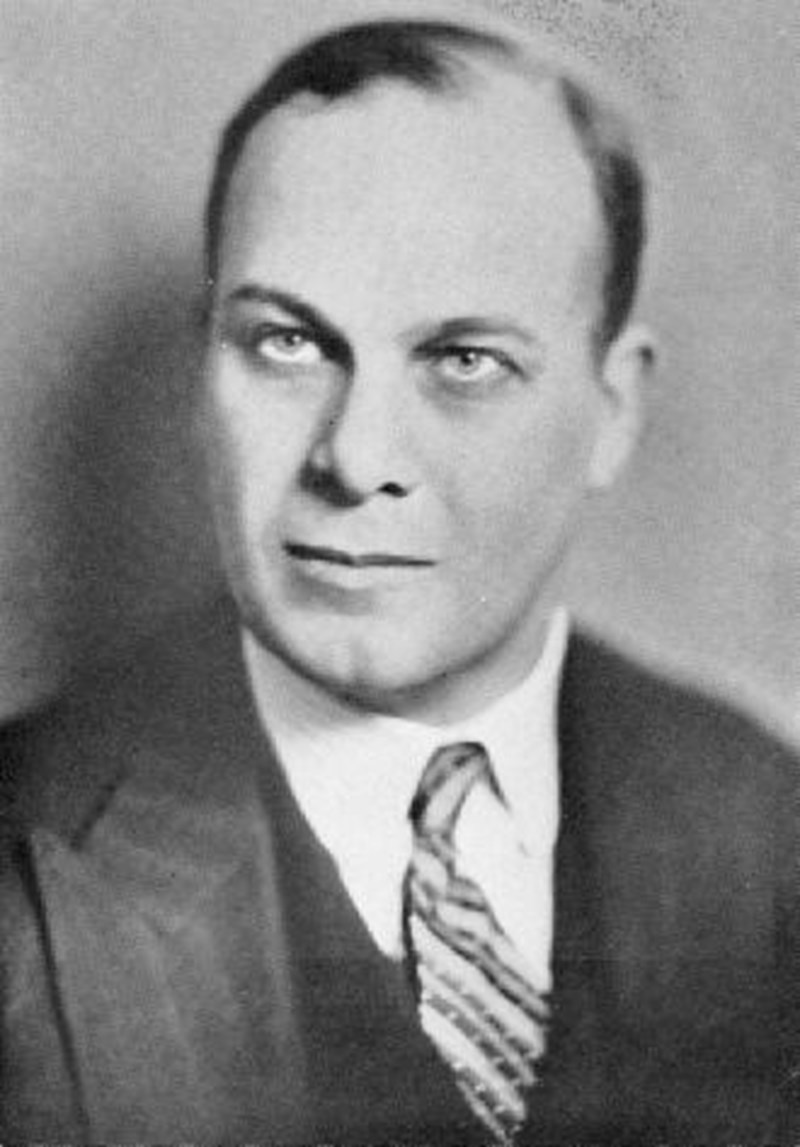
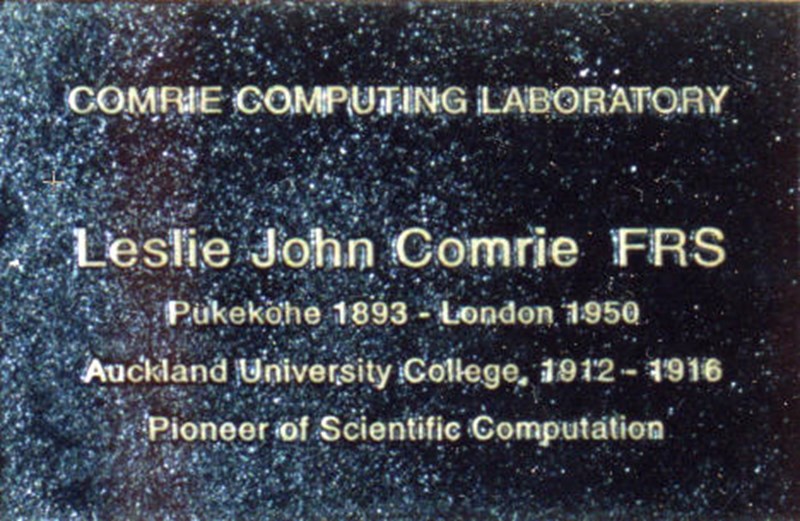
Comrie collaborated with peers in the USA and after WW2 was influential in ensuring that computing was applied to science and mathematics.

Want the full collection?

All 202 inventions live in the book.

No.8 Re-Wired by David Downs & Jon Bridges, published by Penguin. The complete, illustrated treasury of New Zealand ingenuity.