Category 08 of 08

Maritime & Transport

The jetboat that climbs rivers. The refrigerated ship that built an economy. Amphibious craft and aircraft that land on snow. An island nation's inventions for crossing water, land and sky.

11 inventions documented — each one inline below

08.01 Sector Navigation Lights — Norm Rumsey
Norm Rumsey

Sector Navigation Lights

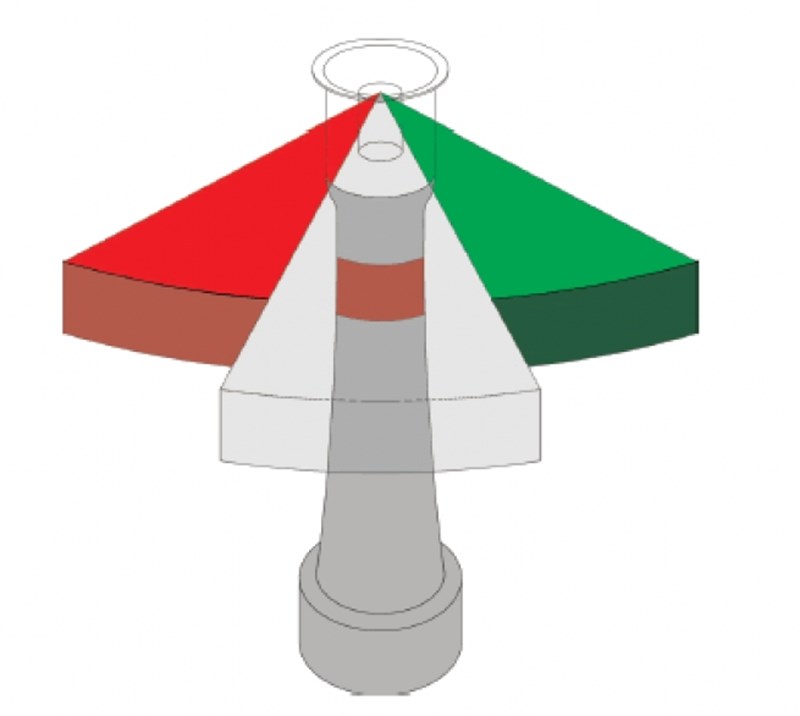
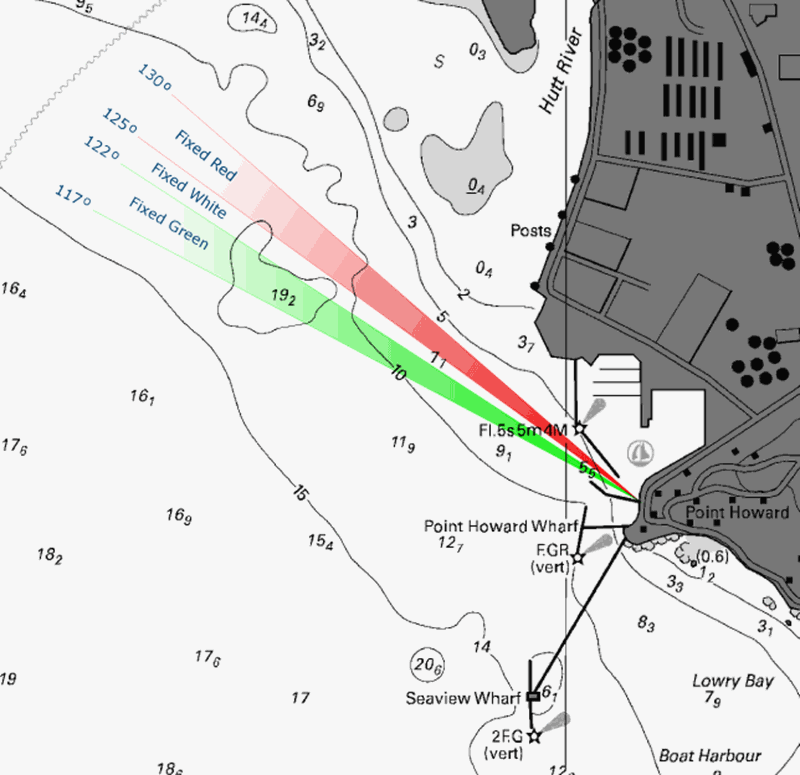
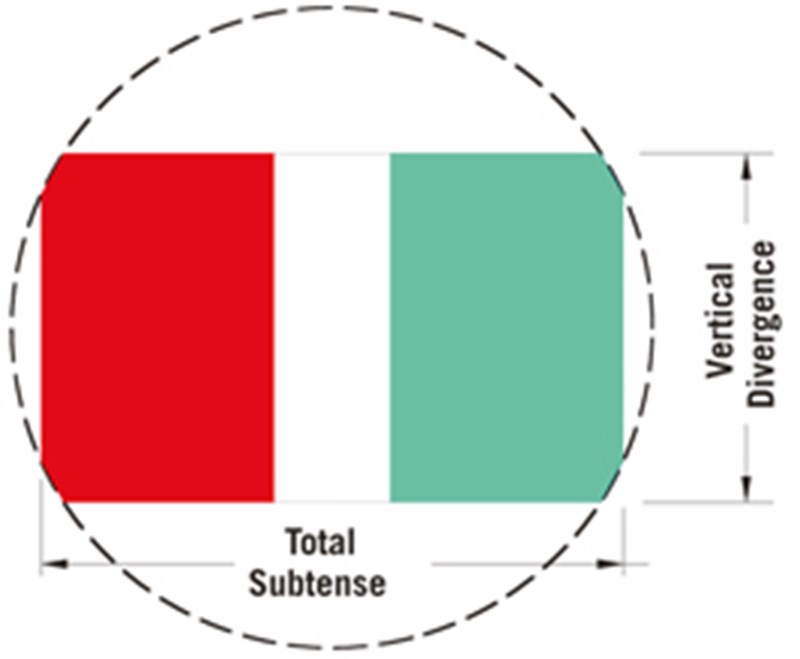
What Norm created was a kind of modified slide projector, which shone three narrow beams of light across the dark harbour. A narrow white beam in the middle was flanked by beam of red to one side and a beam of green to the other. When approaching the harbour now, the captain of the boat simply had to make sure she could see the white light - if she saw red, she needed to go right, green, go left. An elegant answer to a perplexing problem.

Of course, the real trick lay in the lenses used to project the light - normally light breaks up and disperses too much to be of use, but Norm Rumsey's training and background gave him the skills necessary to solve this problem. He had worked for a while designing high quality lenses to assist in making maps from aerial photos, and could turn his expertise at lens design to the 'sector navigation lights', as they became known.
08.02 Hamilton Jetboat — William Hamilton
William Hamilton

Hamilton Jetboat

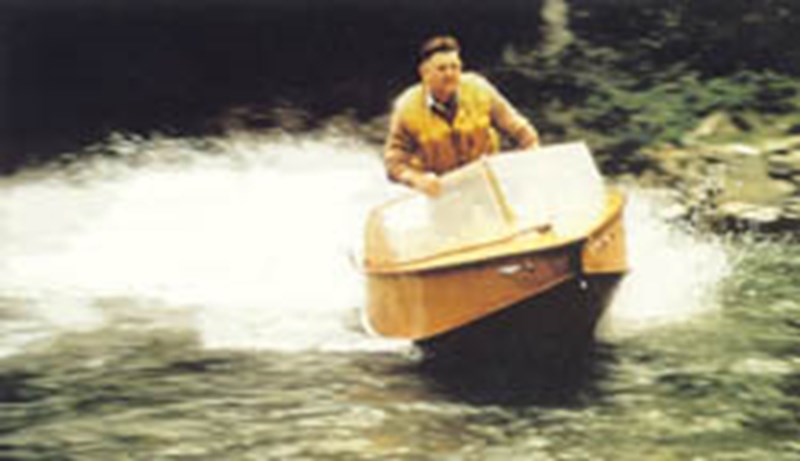
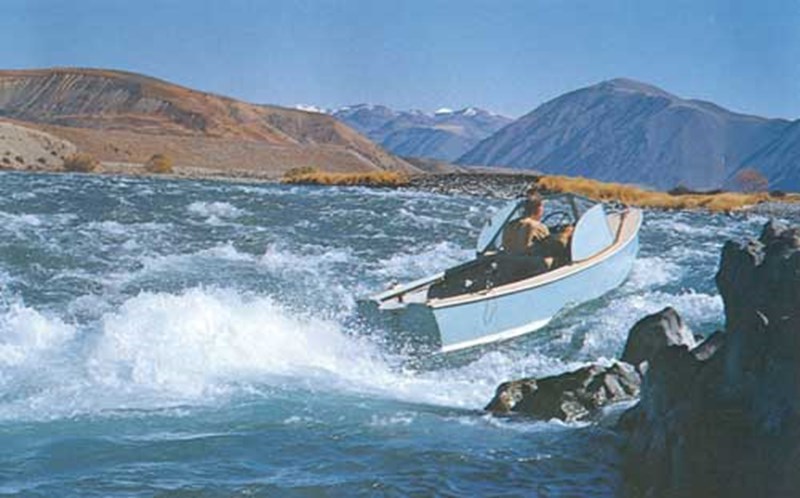
As a boy, Charles William "Bill" Feilden Hamilton (b 1899, d. 1978) showed the spirit of an engineer, making his own river rafts and land yachts to satisfy his need for speed. In 1912, two years before the government completed the first hydro-electric station in New Zealand, the young Bill Hamilton constructed a dam and waterwheel to bring electricity to his family farm and his own shed.

In 1925, as a wild-haired and mad-eyed 26yr old he was the first recorded person in the Southern Hemisphere to get in a car and do the ton. That alone would be enough to get him in this book. Most blokes would surely have sat back and sighed with a bottle of beer and the cricket on, hand down the pants dreaming of the glory days, but Hamilton wasn't ever satisfied with what he thought could be done better.

He went to England and raced cars, winning half the time, and bringing back a bride. He designed and made hundreds of implements for moving and shifting dirt and making runways. He made bombs and parts for guns and ammunition during the war. He made New Zealand's first ski field rope tow. He was crazy for making things.

Inventions came out of the workshop at Irishman Creek like an Australian sprinter - thick and fast.

08.03 Sealander — Terry Roycroft
Terry Roycroft

Sealander

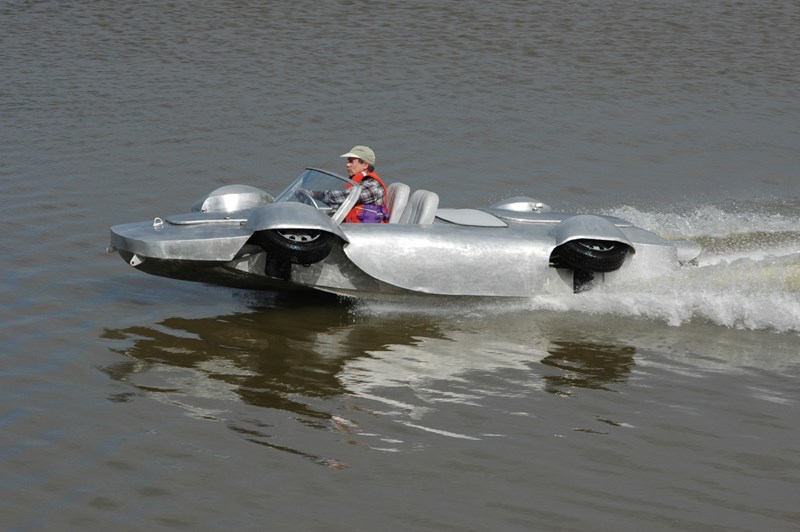
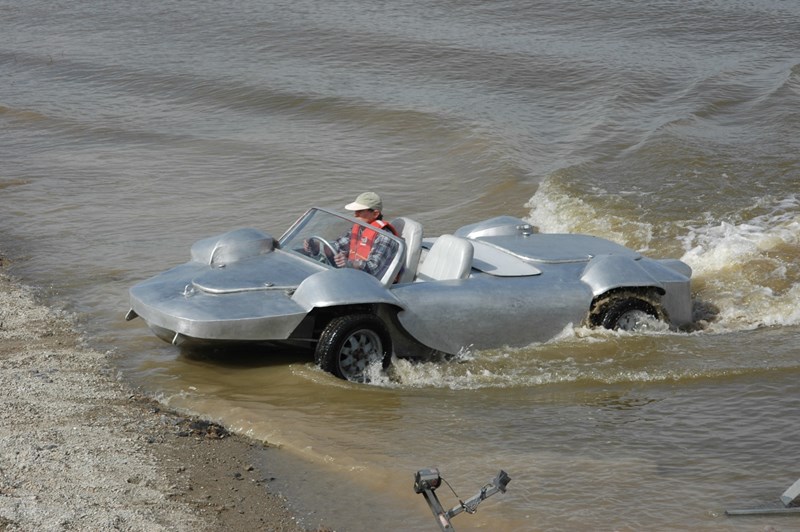
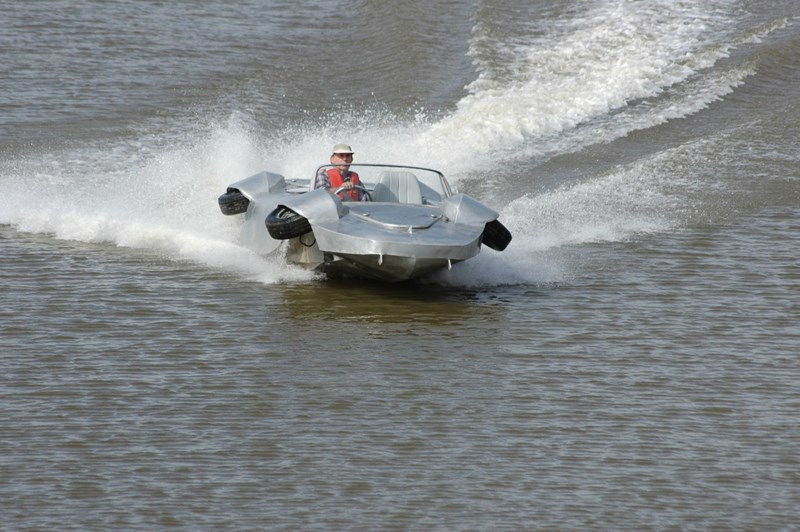
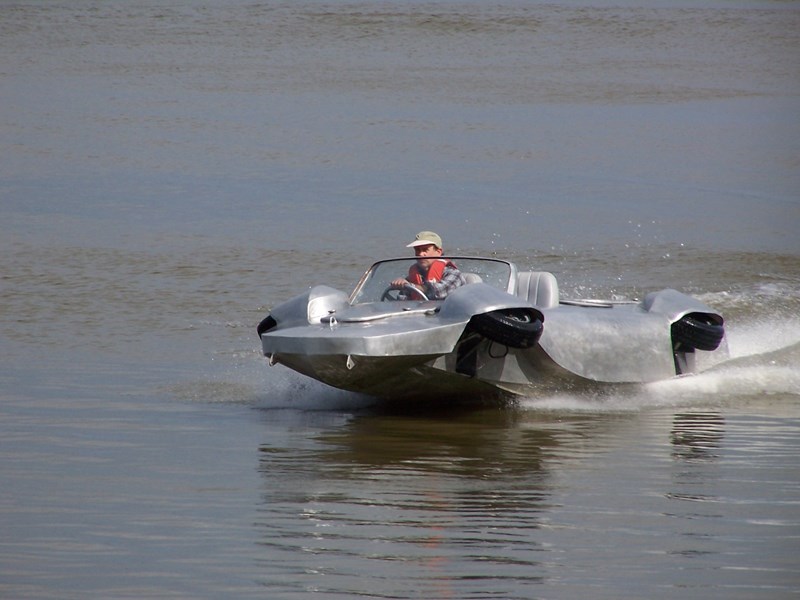
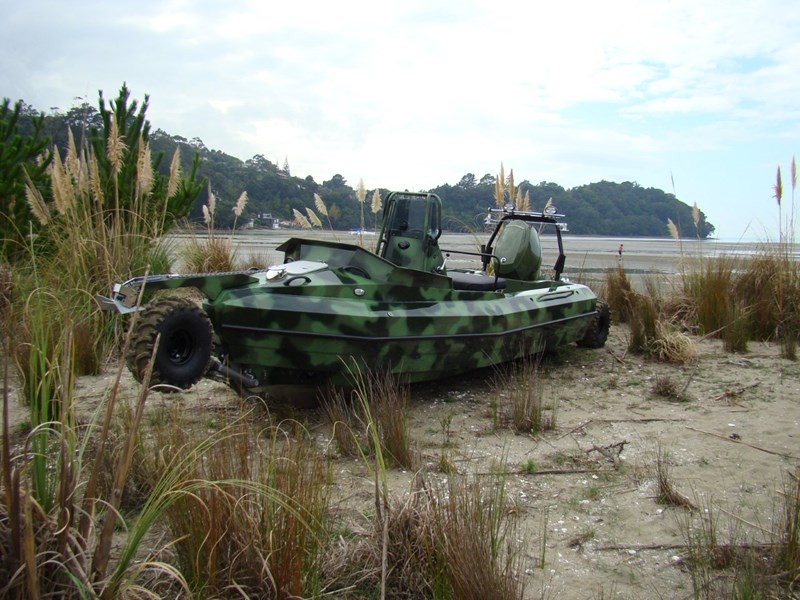
Terry Roycroft has called his invention the Sealander, because it goes on sea and it goes on land. While that does not seem a very inventive name, the Sealander itself could one day be known as New Zealand's best motorised invention.

Imagine an affordable, mass-produced amphibious car that would drive at motorway speeds on land, then drive straight into the water where it can ride up 'on the plane' at jet-boat speeds. It only has to be half as popular as those ridiculous jet-ski things to be a huge success. The reason the world has never seen such a thing is not because people wouldn't want one, but because to make a viable commercial amphibian like this you must solve some very difficult engineering design problems.

If you have ever sat behind someone towing a boat to Lake Taupo at about fifty km/h on the Desert Road then like me you'll be saying 'please please be a success!!!'

08.04 Montgomery Mooring System — Peter Montgomery
Peter Montgomery

Montgomery Mooring System

Peter Montgomery (no, not that Pete Montgomery, a different one) is a serial entrepreneur.

He's had 8 start-up companies, and with a track record of 3 successes, 3 'ok' and only 1 huge failure, he reckons he's done alright. He always starts with a vision of the future - although he does caution that sometimes the visions are hallucinations and it's important to be able to tell the difference. A safer way to moor boats was one of his visions, sparked after seeing the death of a ship worker when a mooring cable snapped and the end hit him in the chest.

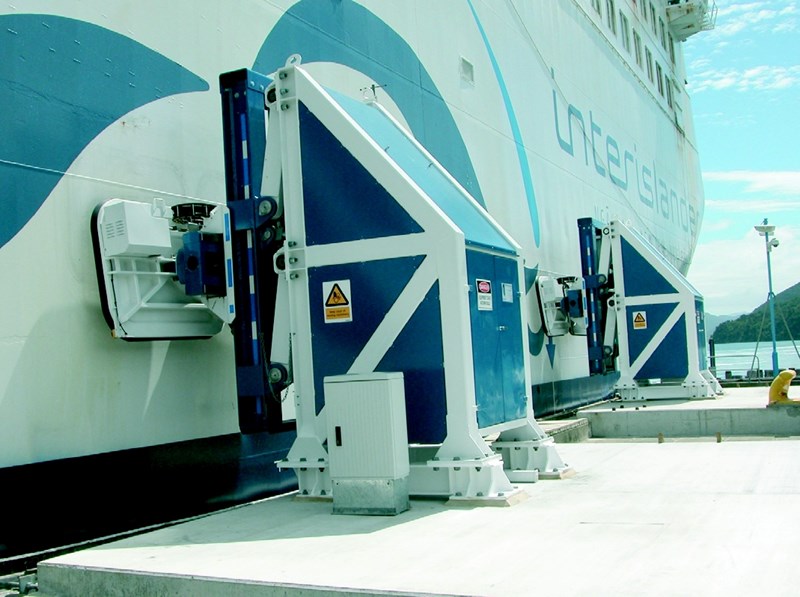
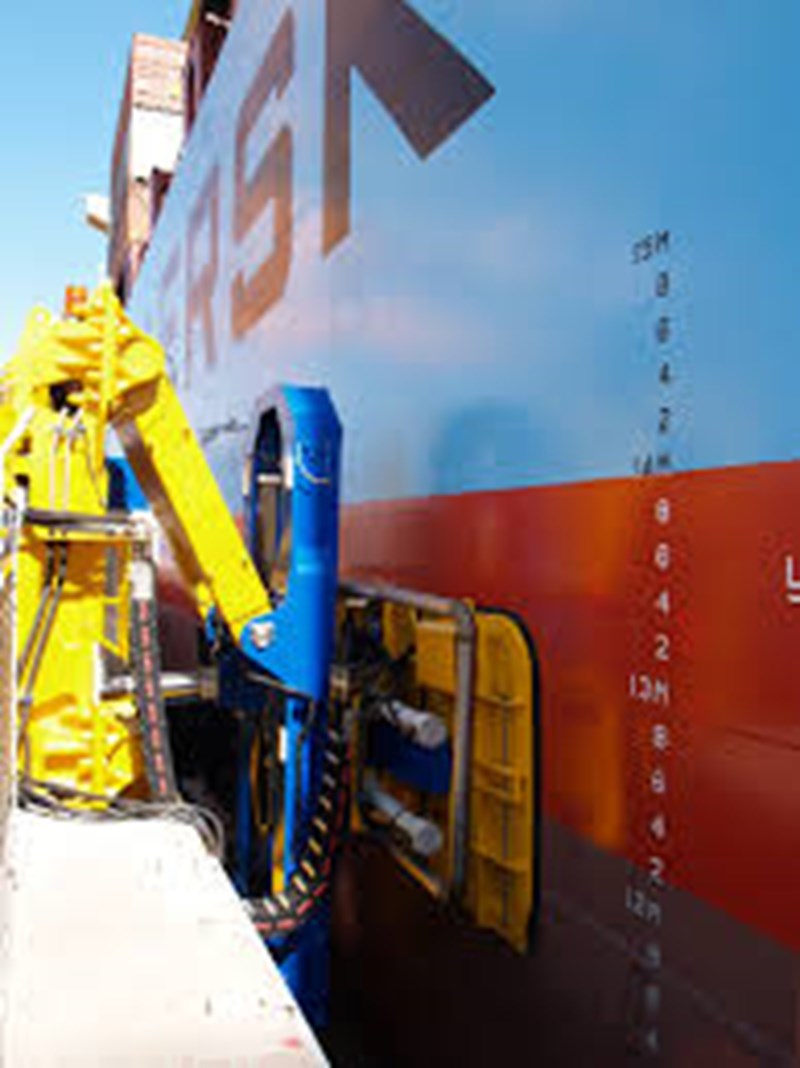
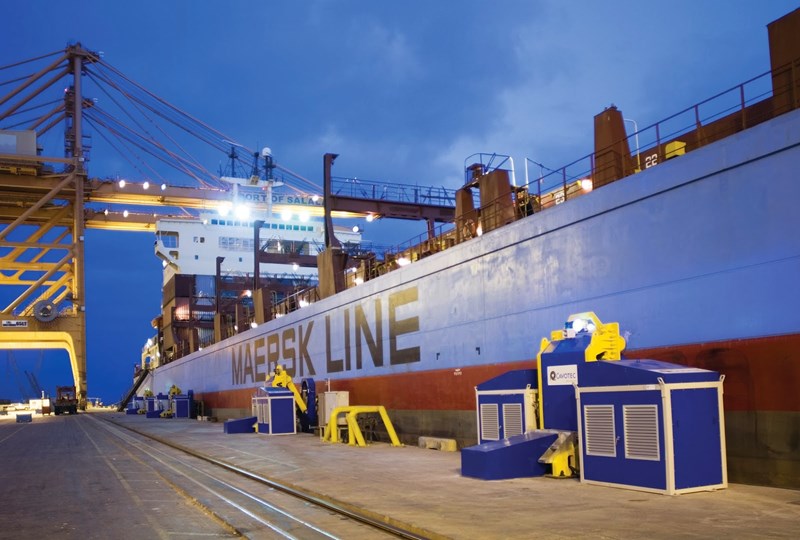
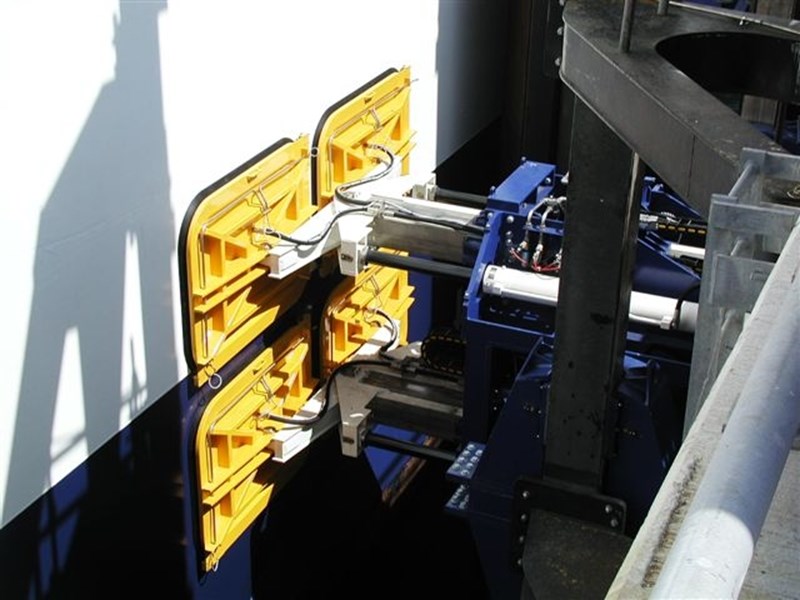
That prompted Montgomery to develop a safer way to moor ships - it's also faster, cheaper and uses less labour. Montgomery's system replaces the hawsers with a vacuum system - literally sticking the ship to the dock with suction.

08.05 Refrigerated shipping — Thomas Brydone / William Davidson
Thomas Brydone / William Davidson

Refrigerated shipping

To the rescue came two determined New Zealanders.

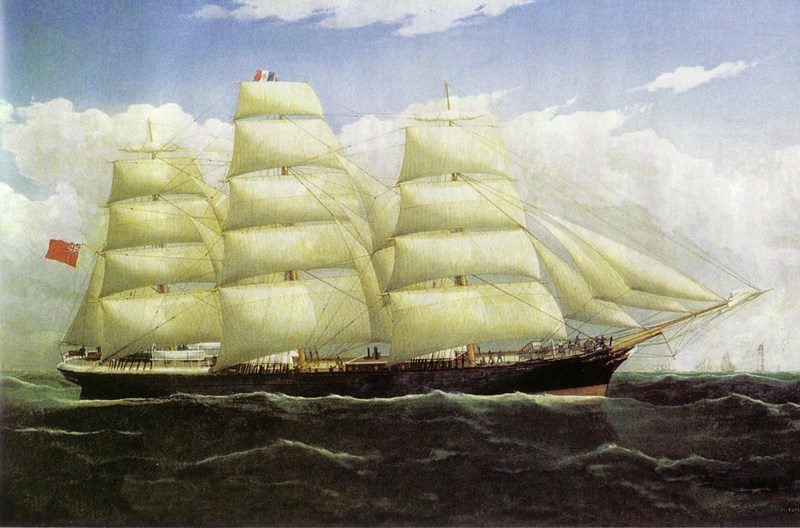
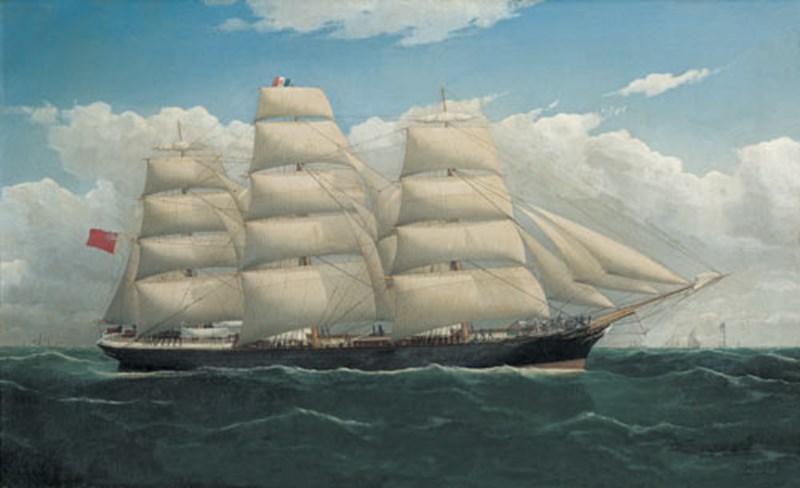
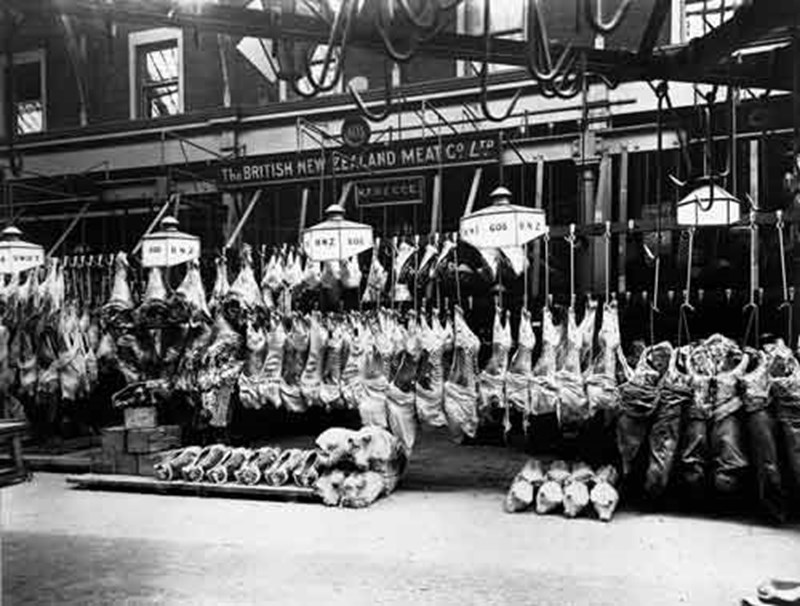
William Soltau Davidson (b. 1846, d. 1924) was the General Manager, and Thomas Brydone (b. 1837, d. 1904) was the NZ manager of the New Zealand and Australia Land Company - a major land owner of large estates around the country. They began to exhaustively research and plan. The first successful shipments of frozen meat had been made just a few years earlier. In 1877, two steamers carried frozen mutton from Argentina to France, and in 1879 the Strathleven carried 40 tons of frozen beef and mutton from Sydney to the UK. New Zealand was a longer journey, but the plan was the same. In 1881, Davidson and Brydone had a ship, the Dunedin, refitted as a floating fridge.

The Scottish Bell-Coleman steam-powered refrigeration plant on board was state of the art - the same sort of unit used on the Strathleven, but the venture was by no means certain. Despite promises of fresh meat every night - previously unheard of on a three-month voyage - many passengers refused to travel because they were afraid the plant would set fire to the sails. The first shipment loaded thawed when the refrigeration plant failed and had to be offloaded and quickly sold.

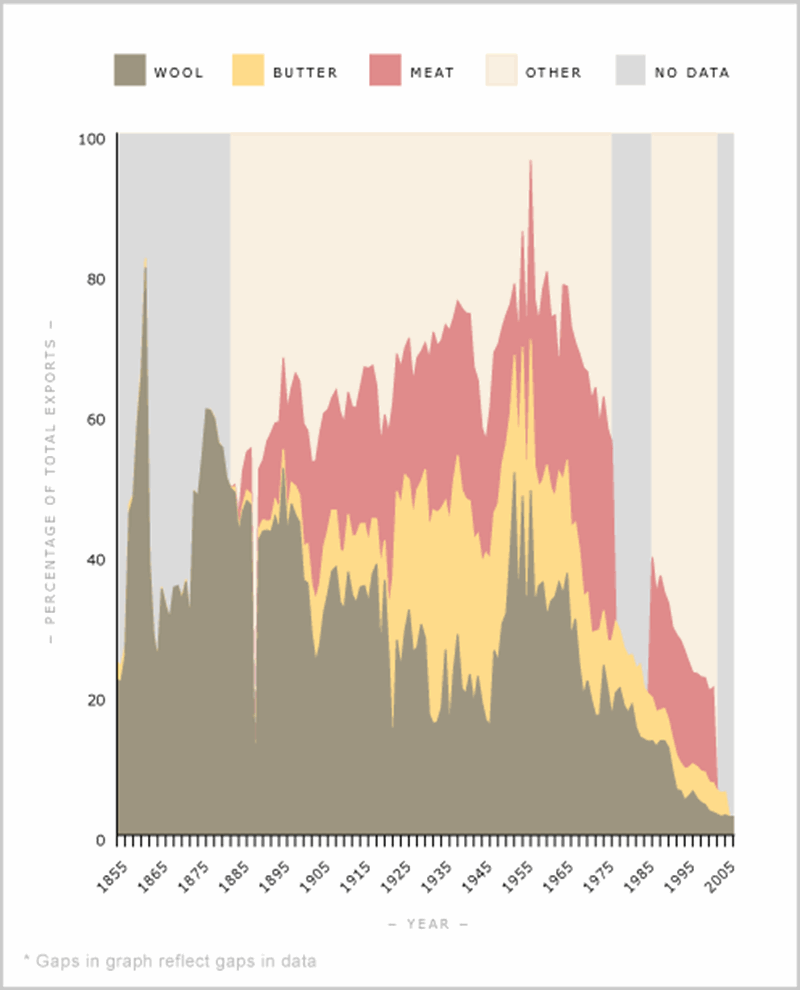
But finally on February 15, 1882 the first shipment of what was to become, and remain, our largest export industry sailed from Port Chalmers on the Dunedin. 4,460 sheep and 449 lambs reached Smithfield market in London safely and every animal was in good condition (still dead, but the meat was perfectly edible).

08.06 Tallon Systems — Peter Marshall
Peter Marshall

Tallon Systems

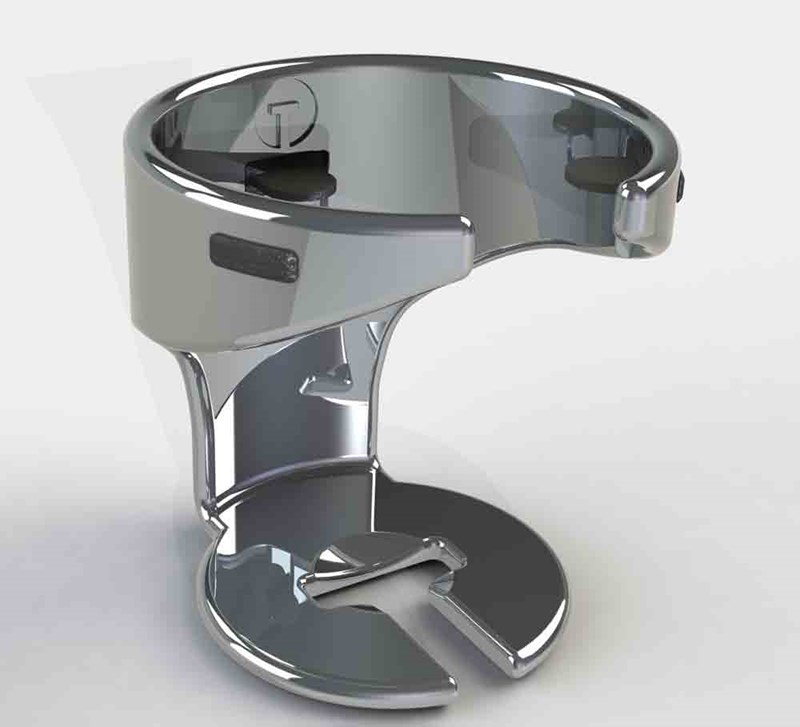
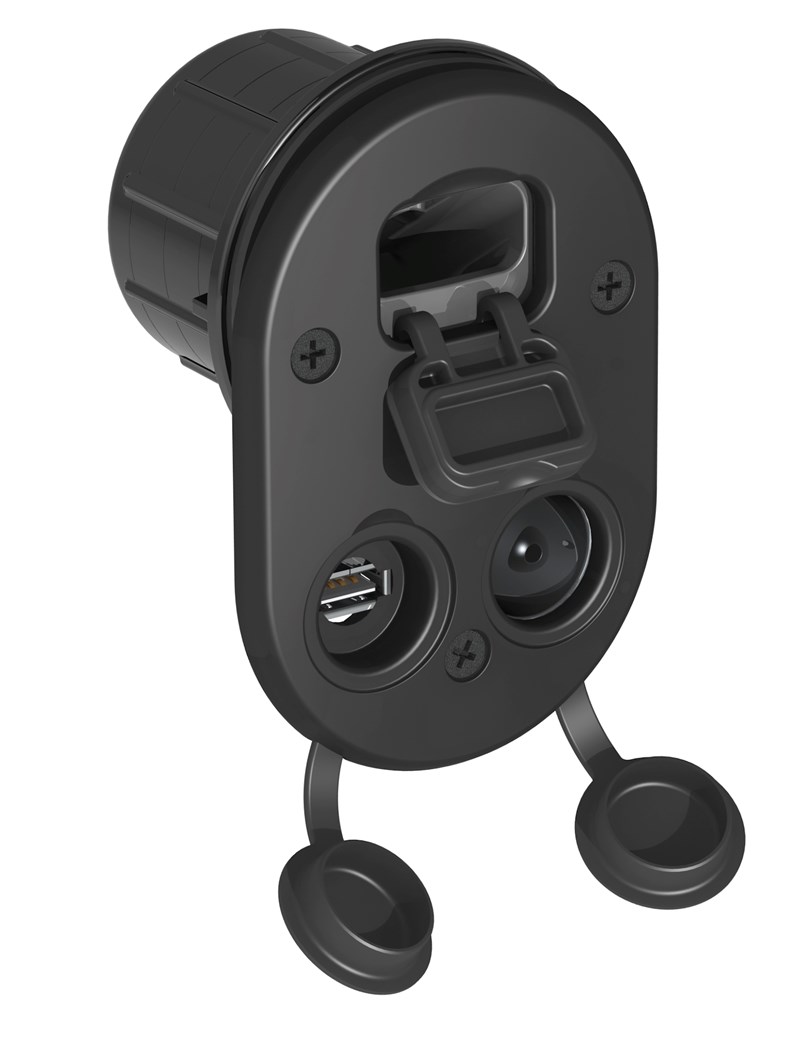
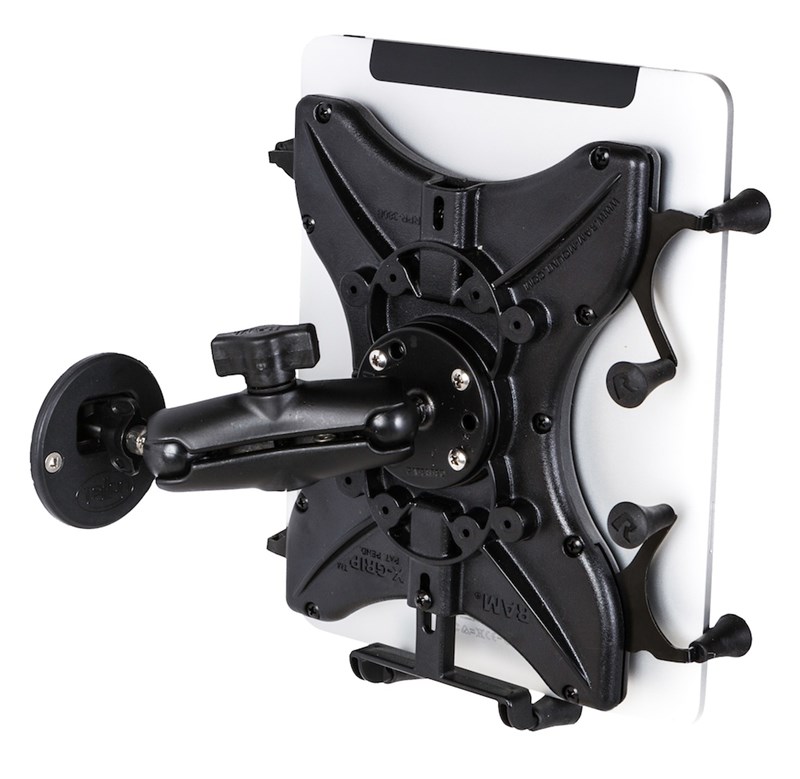
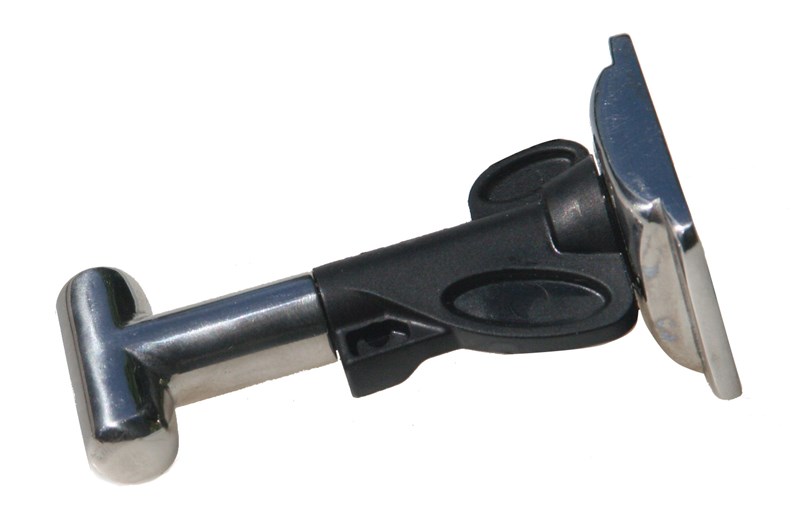
The idea is beautiful: a unique mix-and-match system to mount anything in your car, on your boat, ute, in an aircraft cabin or in your home. A whole range of 'sockets' designed to mount onto or into different surfaces - almost anywhere you want something.

Then there are a whole range of 'holders' which are custom made to hold different things - from a kayak paddle to your iPhone, to a wineglass, dive tank, go-pro, iPad, coffee cup, GPS unit or fishing rod. The holders all fit the sockets interchangeably so you can take the iPhone holder out of the socket on your boat dashboard and put a go-pro or cupholder in its place, then put the iPhone holder into the socket on your car dashboard on the way home. Peter Marshall of Wanaka came up with the system to simplify the thousands of individual mounts, sockets and holders available.

On its first showing, the System won a prestigious Innovation Award at the International Boat Builders Exhibition in Miami, USA.

08.07 Skycouch — Air New Zealand
Air New Zealand

Skycouch

Over three years from 2007, in a design complex called Hanger 9 in Auckland, and with the help of some high-powered international designers, Air New Zealand came up with innovations for airline seating including Skycouch and Spaceseat.

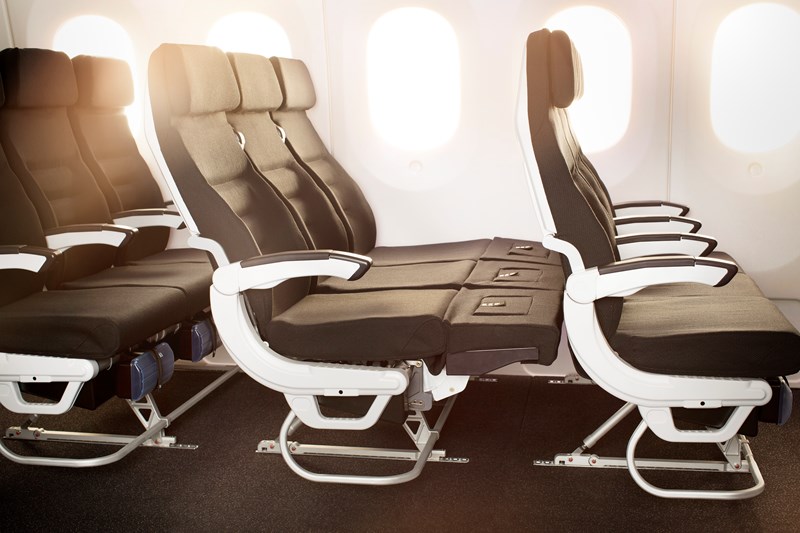
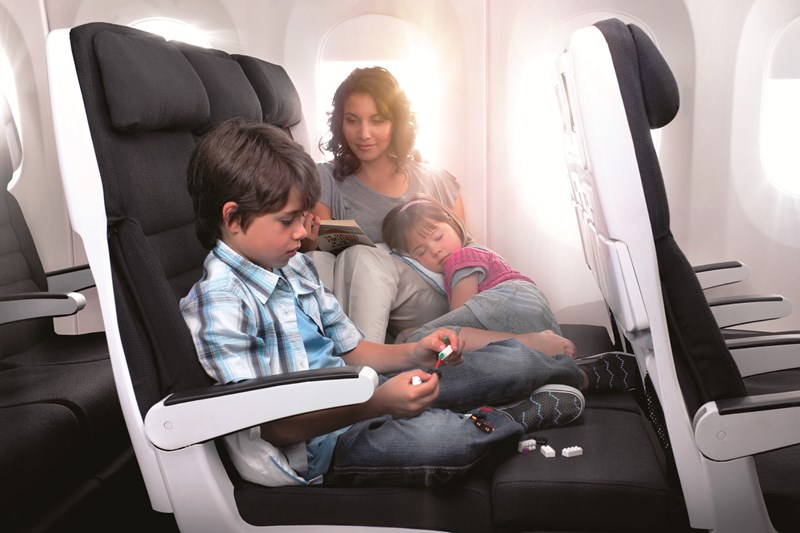
Skycouch simply has cushions that fold up at the front of the seat to turn a row of three economy seats into a couch that a couple of adults can cuddle up on. While it's not a whole new airplane by any stretch of the imagination (or of the legs) it's a first in airline seating

08.08 Sealegs — Maurice Bryham
Maurice Bryham

Sealegs

Sealegs is a clever invention in more ways than one.

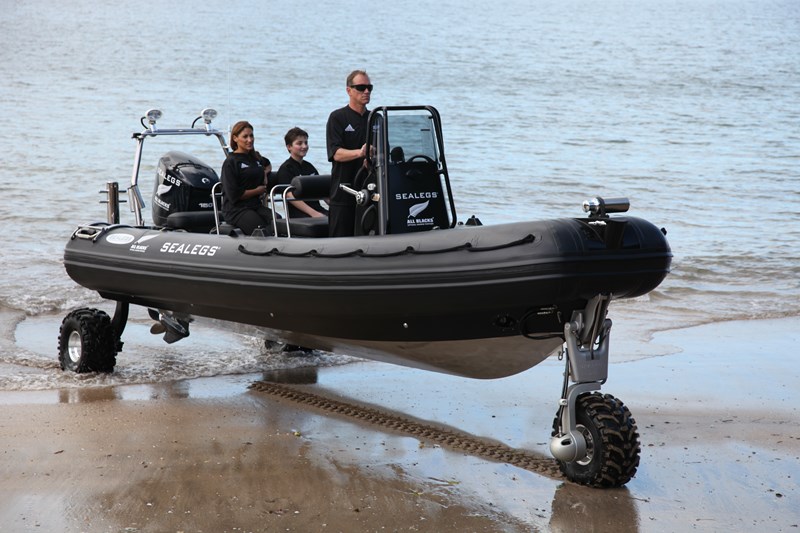
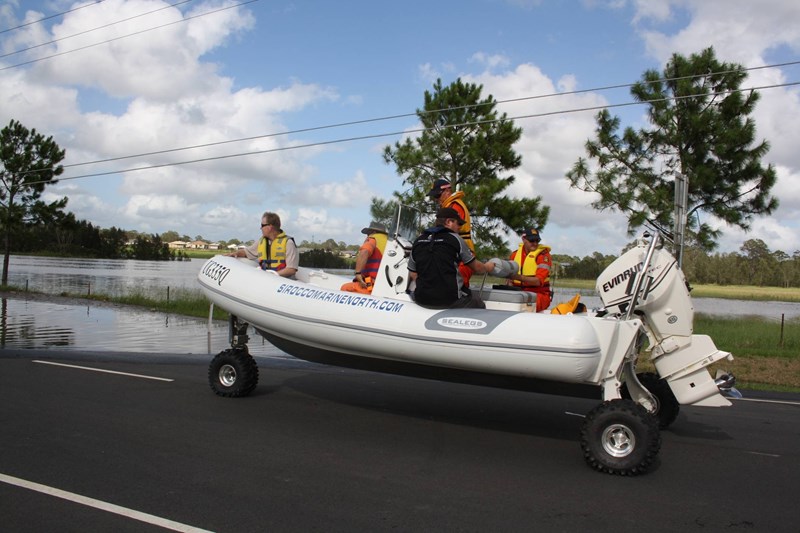
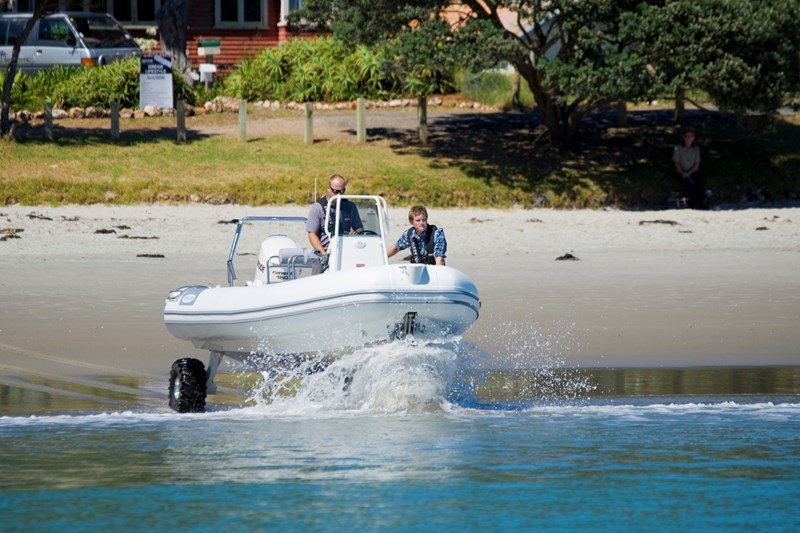
Firstly it is a brilliantly simple and perfectly executed technological solution. Secondly it is a beautiful piece of marketing in that it's a product created to fill one identified need - easier launching - and solves it. It doesn't try to be all amphibious craft to all people - it isn't a car that goes in the water, it's a normal power boat with a top speed on land of just 10km/hr. Maurice Bryham lives on the beach at Milford in Auckland. He's the founder of well-known IT company PC Direct, and 'a bit of a handyman'.

Watching people struggle with their boats in the surf, he decided to solve their problem. And he wasn't daunted by the fact that since the wheel and the boat had been invented, thousands had tried, and nobody had succeeded in putting them together.

08.09 New fishing technique — Precision Seafood Harvesting
Precision Seafood Harvesting

New fishing technique

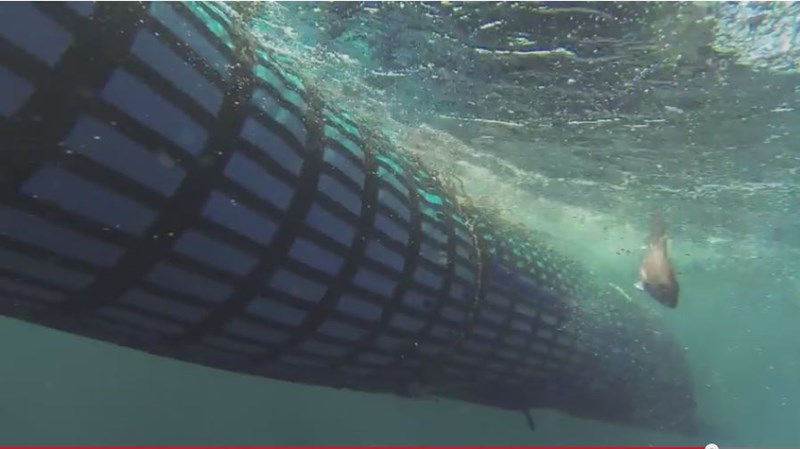
Scientists from Plant & Food Research, partnering with three large NZ commercial operators, have come up with a way to avoid that inefficiency and reduce the impact on the fish stocks caused by trawling.

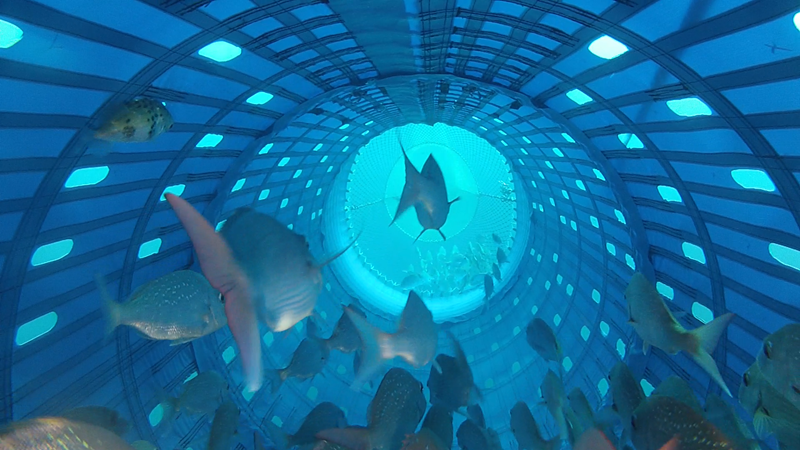
The 'Precision Seafood Harvesting' technology they have developed at a cost of over $50m is set to revolutionise the fishing industry, and with the patents in place, they hope to see global success for their ideas. The system works by using a giant tube, rather than a net, with small holes or 'escape-portals' in it. The tube is dragged behind a boat at the desired depth for the species you are after, and as it goes along, it captures fish, who swim along with the tube. Smaller fish escape out the small holes and when the whole tube is hauled in, it retains a lot of the water.

As far as the fish are concerned, there is far less trauma, it's like their swimming pool just got moved. The fish can be kept alive longer and any unwanted species can be put back in the ocean with much less handling or stress.

08.10 WASSP — ENL
ENL

WASSP

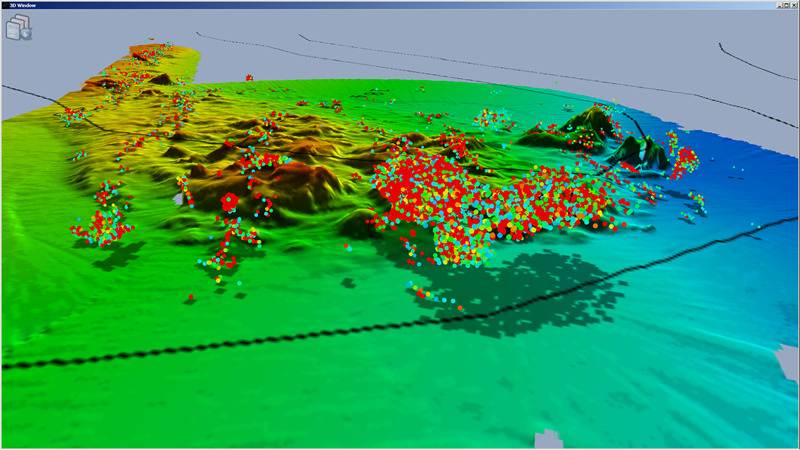
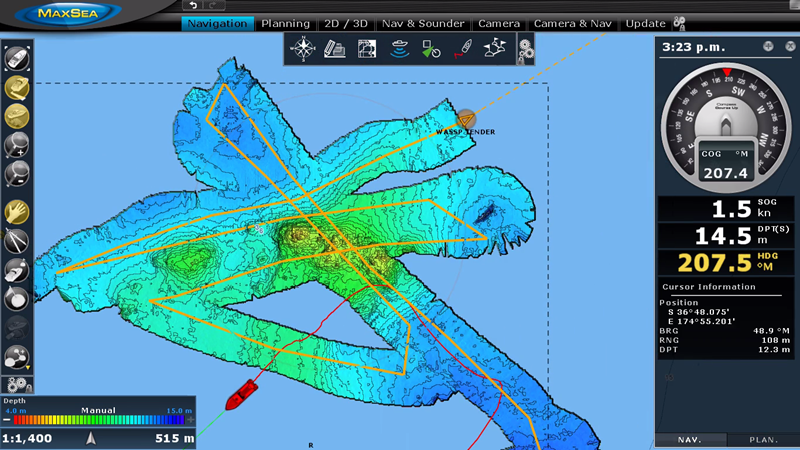
This collaboration between Callaghan Innovation (ex-IRL) scientists and Auckland company Electronic Navigation Limited (ENL) took a while. More than 15 years of research, development and testing went into the Wide Angled Sonar Seafloor Profiler or WASSP. Their innovations in signal processing, and especially in the transducer which goes under the boat – they call it the ‘wet end of things’ – have resulted in a product that is vastly better than your average fish finder. ENL wanted a product that was better than the weekend tinny drivers use, but cheaper than military gear.

They wanted to profile the seafloor with a single beam, and show results in glorious colour 3D. Their patented transmitter sends pulses out eight times per second, and covers the seafloor at a 120 degree angle giving amazing 3D images of what’s going on down there. It’s used now by the super-yacht industry as well as by commercial fishermen, survey craft and other workboats and it’s selling in over 40 countries around the world.

08.11 Aquarium Tunnel — Kelly Tarlton
Kelly Tarlton

Aquarium Tunnel

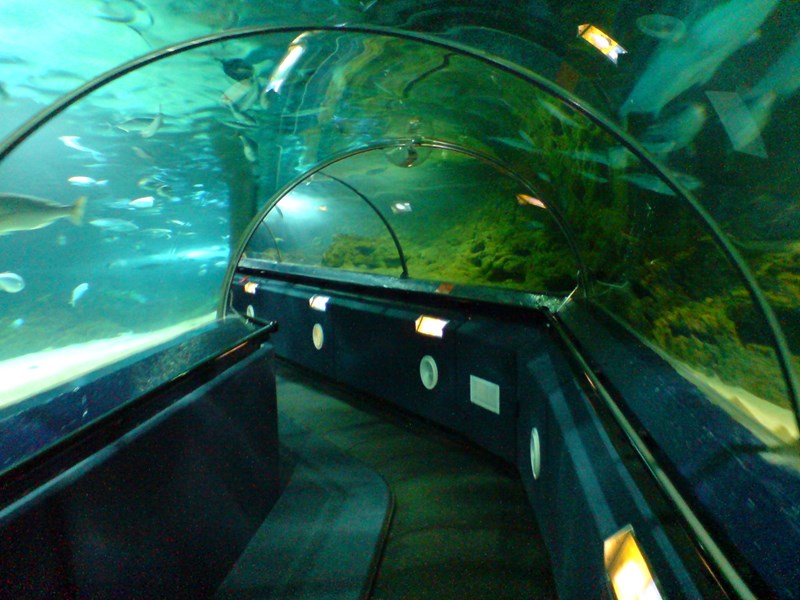
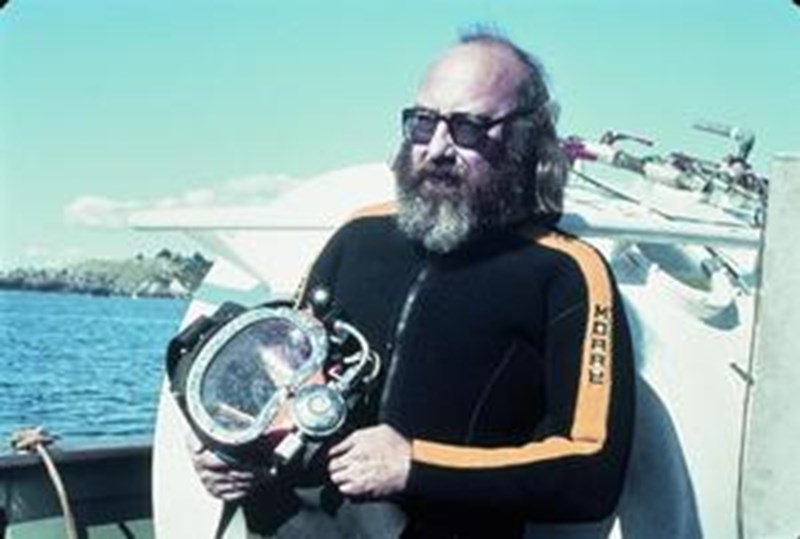
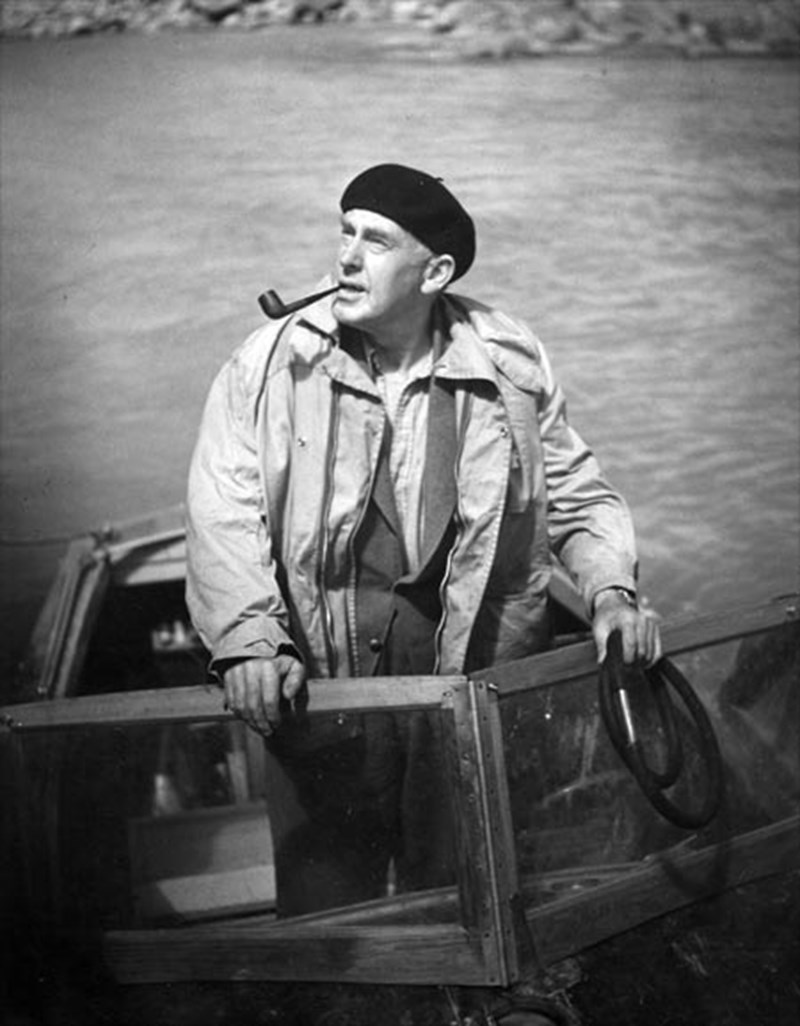
Kelly Tarlton (b. 1937, d. 1985) was a scientist, marine archeologist and diver whose love of the sea was started by French marine scientist Jacques Cousteau, inventor of scuba diving equipment, which Tarlton himself helped to improve.

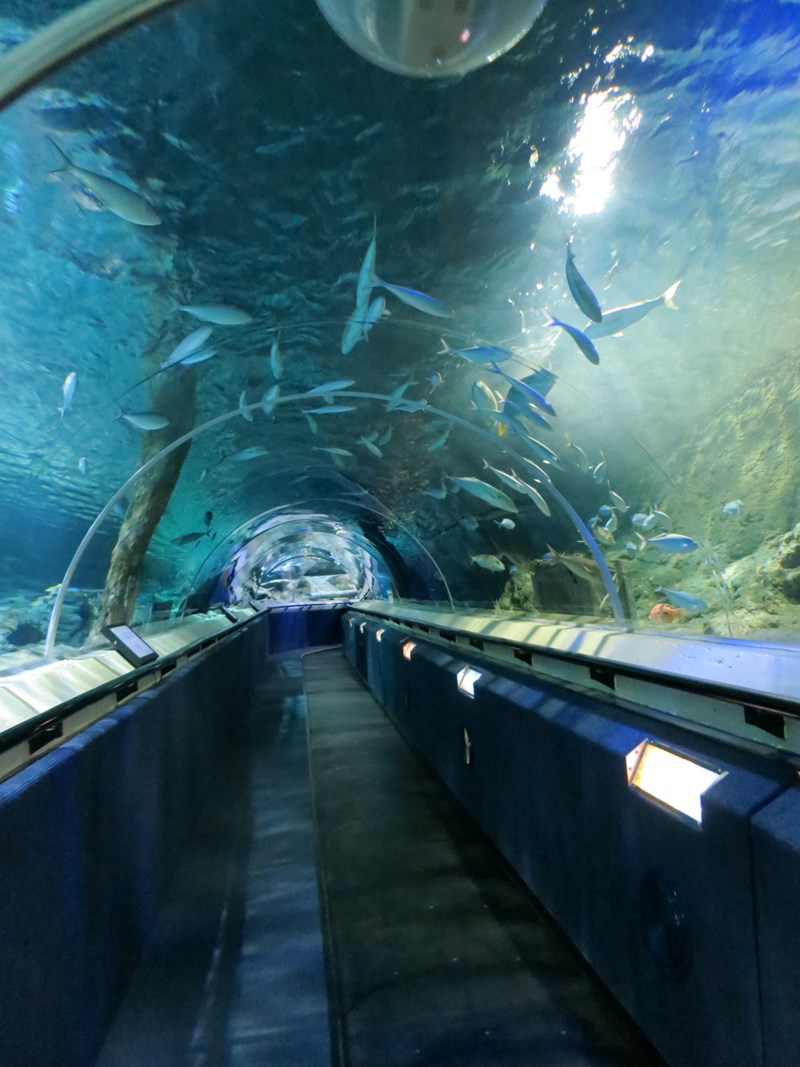
To locals and visitors to Auckland, however, his name is synonymous with the tourist attraction around the harbour from the city. Standing on a conveyor belt, one is transported through an aquarium, staring up at the fish who largely ignore you, through a thick see-through acrylic tunnel.

If you read the walls, you'll discover the attraction was built in underground sewage tanks (disused, promise!) and that the tunnels were constructed by Tarlton himself.

Want the full collection?

All 202 inventions live in the book.

No.8 Re-Wired by David Downs & Jon Bridges, published by Penguin. The complete, illustrated treasury of New Zealand ingenuity.