Category 04 of 08

Engineering & Technology

Jetpacks, rockets and rock crushers. From the first powered flight to a private space company launching from the Mahia Peninsula, this is No.8 wire thinking at its most audacious.

31 inventions documented — each one inline below

04.01 Tullen Snips — John Hough
John Hough

Tullen Snips

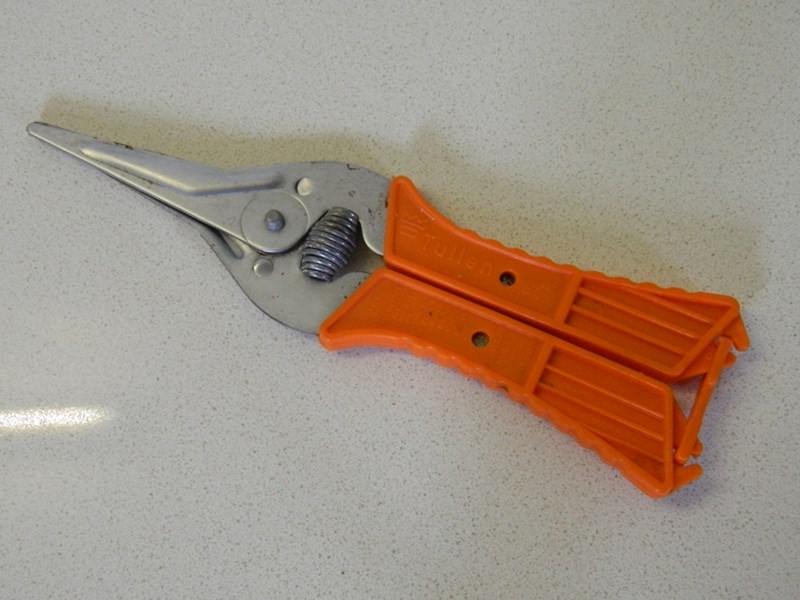
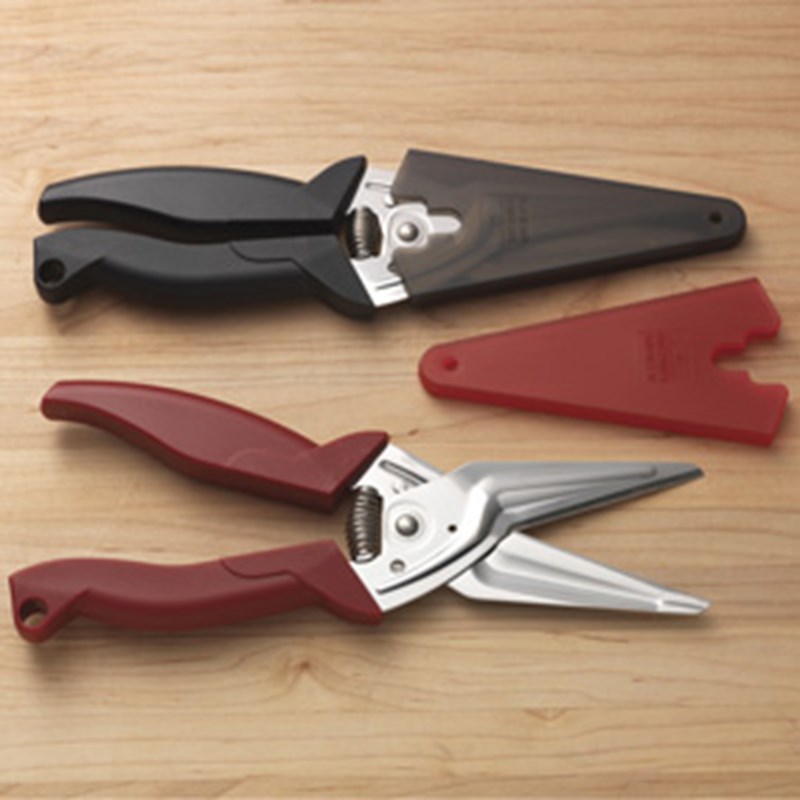
In 1972 somebody handed John Hough a pair of shears made overseas, suggesting he duplicate the manufacturing process and make them himself. The advantage they had over normal scissors was extreme cutting power. The shears had been manufactured with a heat-treating process which hardened the mild steel blades.

Hough set out to copy the heat-treating process which involves dipping the steel into hot molten salts in order to try and get an even heat throughout. However, his engineers didn't really know what they were doing, and, try as they might, the process eluded them. They threw out the first 20,000 or so pairs of shears they made.

The breakthrough came with an accidental result that came from trying to jam too many blades into the heat-treating vat so they could produce them cheaper.

04.02 Stamp vending machine — JR Dickie . Ernest Moss
JR Dickie . Ernest Moss

Stamp vending machine

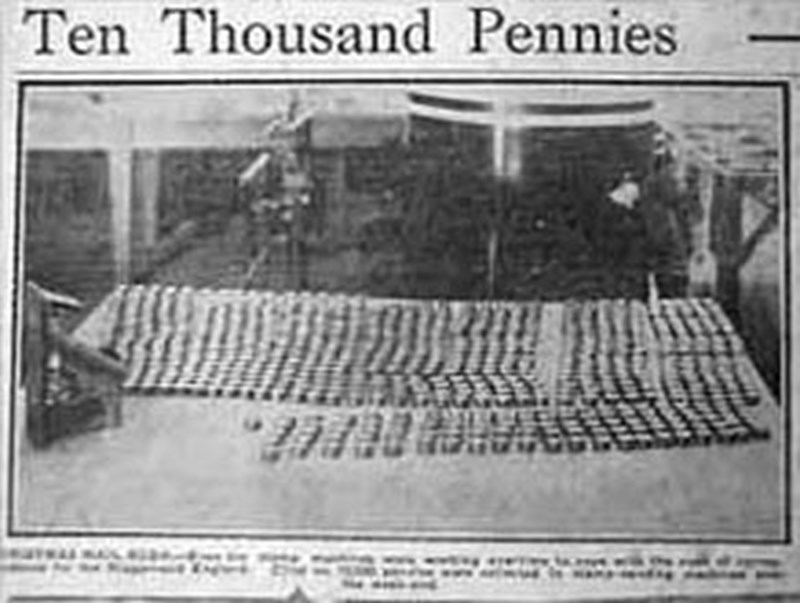
In AD 60 Hero of Alexandria invented a water vending machine to sell water to thirsty people with money.In 1840 the postage stamp was invented in Britain.

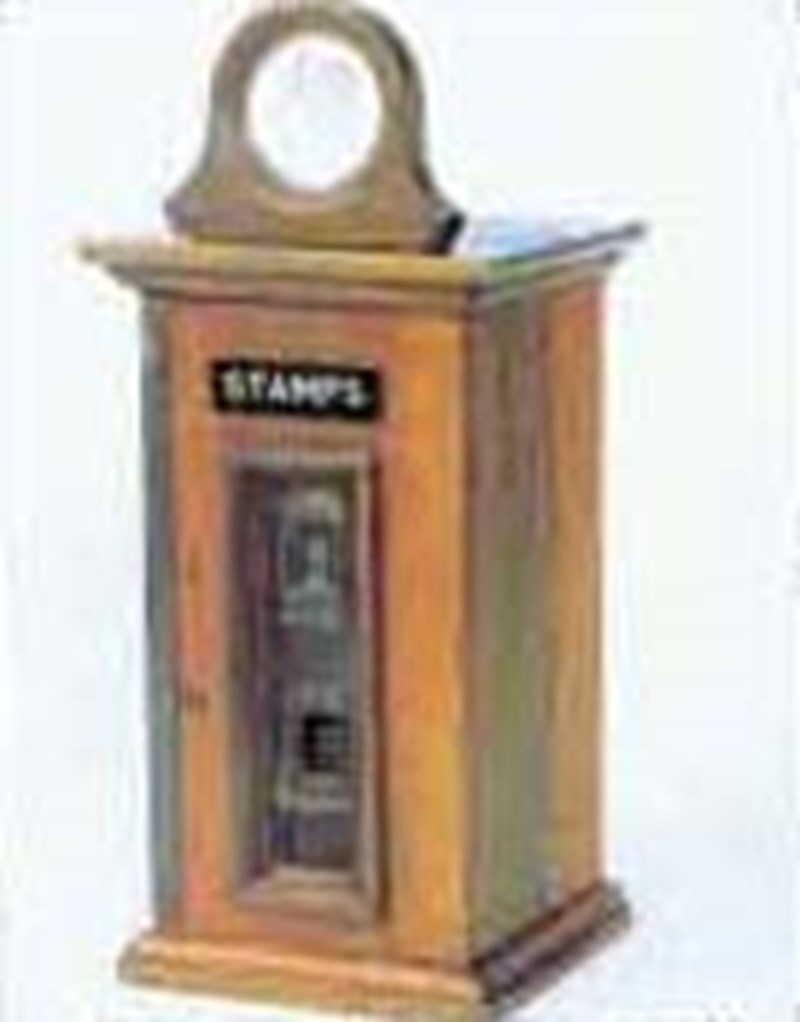
It was only a matter of time until these two inventions, racing towards each other through history, collided to form the stamp vending machine. When they did, it was a hero of New Zealand who brought them together.

It occurred to 15 year old Robert James Dickie (b. 1876, d. 1958) while working at the front desk in a Wellington Post Office in 1891 that a machine should be able to tear stamps off and hand them to people and save him from doing it. When Dickie saw his first moving picture images he reasoned that stamps should be able to be handled just like photographs strung together.

He began to plan, and over the next several years the idea gestated in his head.

04.03 Barmac Rock Crusher — James MacDonald & Brian Bartley
James MacDonald & Brian Bartley

Barmac Rock Crusher

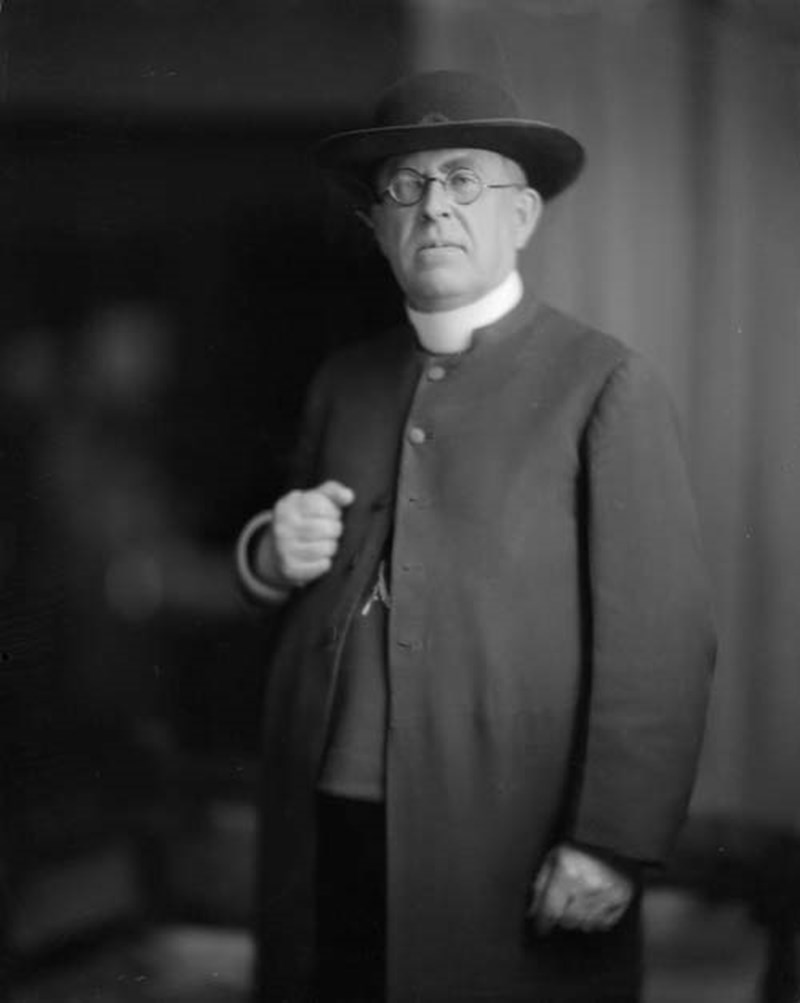
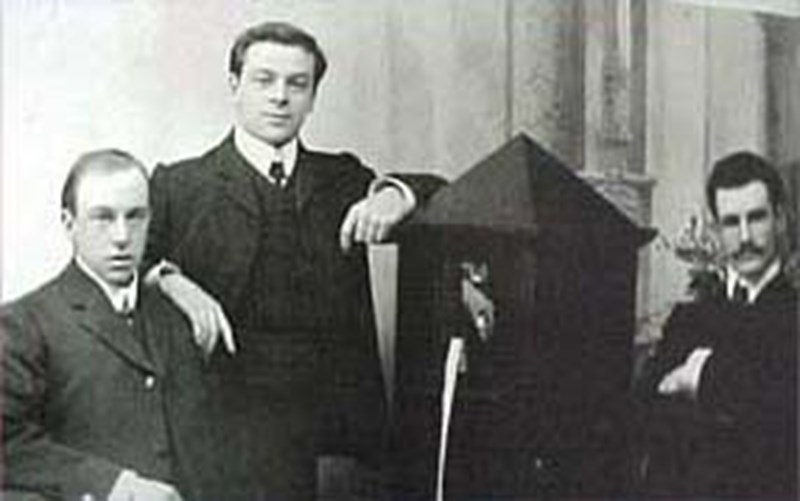
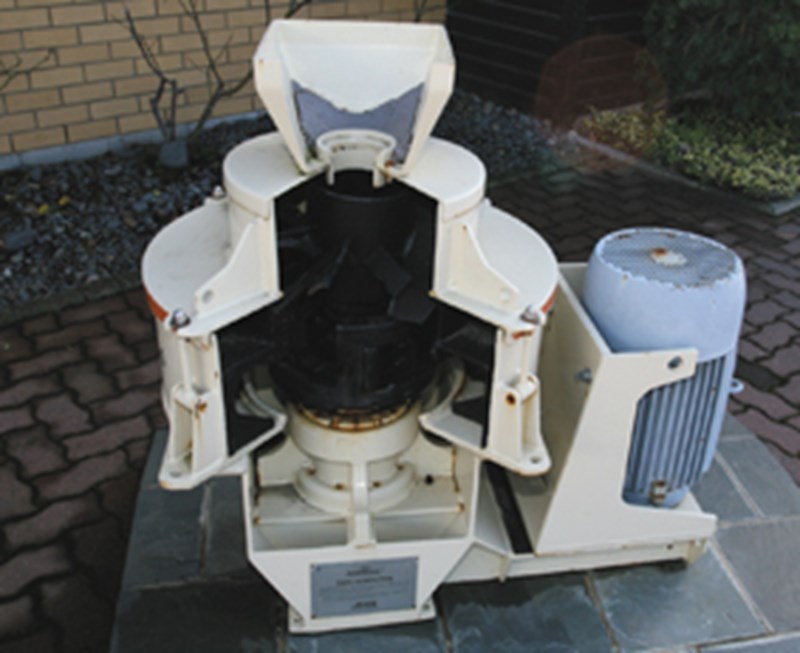
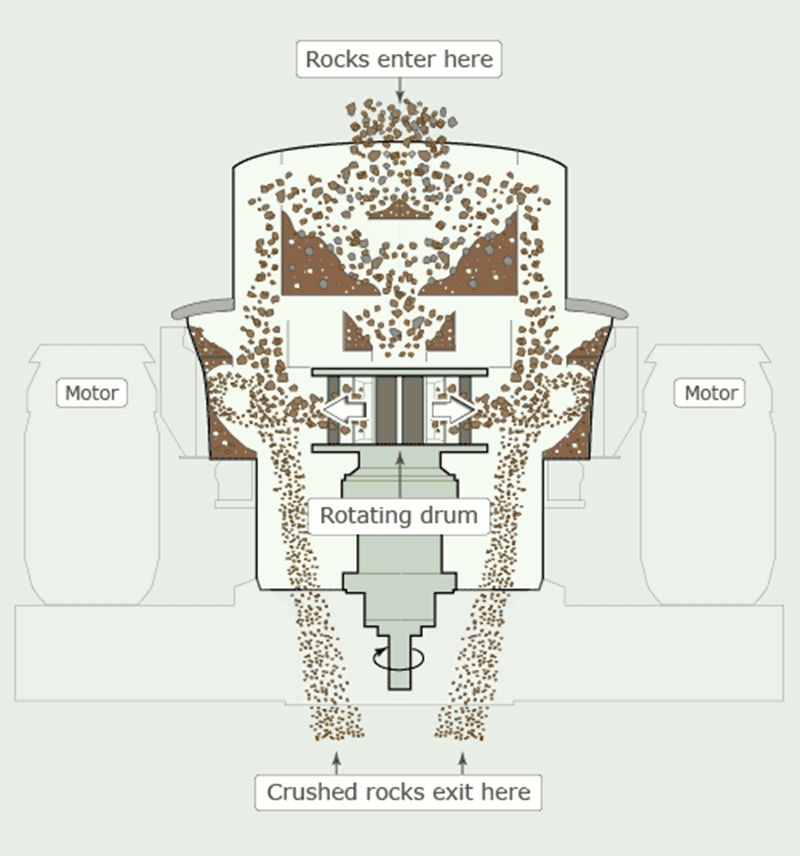
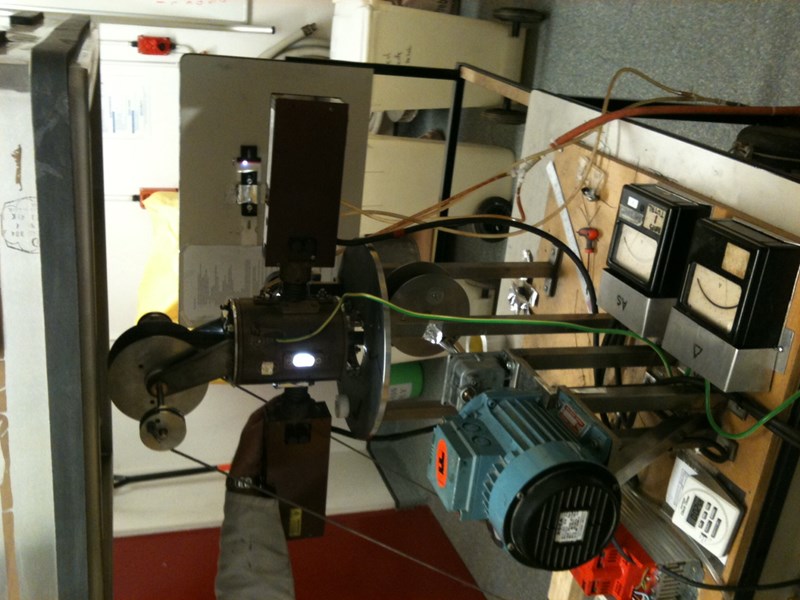
Rock crushing, believe it or not, is big business. MacDonald and Bartley saw their machine being used in the creation of aggregate (small rocks) for roading, but it also became a huge deal in the mining industry, where even today the Barmac crusher is still the crusher of choice.

Just one large machine is able to crush over 1 million tons of rock per year. It took 8 years to turn their idea into a viable business, but the success of the product soon saw Bartley and MacDonald licensing its manufacture around the world, before finally selling the business in 1994 to a large international company who were delighted to get the Barmac into their product catalog.

Despite the number of copies and rip-offs, the name 'Barmac VSI' (for Vertical Shaft Impactor) lives on.

04.04 Seismic Isolators — Bill Robinson
Bill Robinson

Seismic Isolators

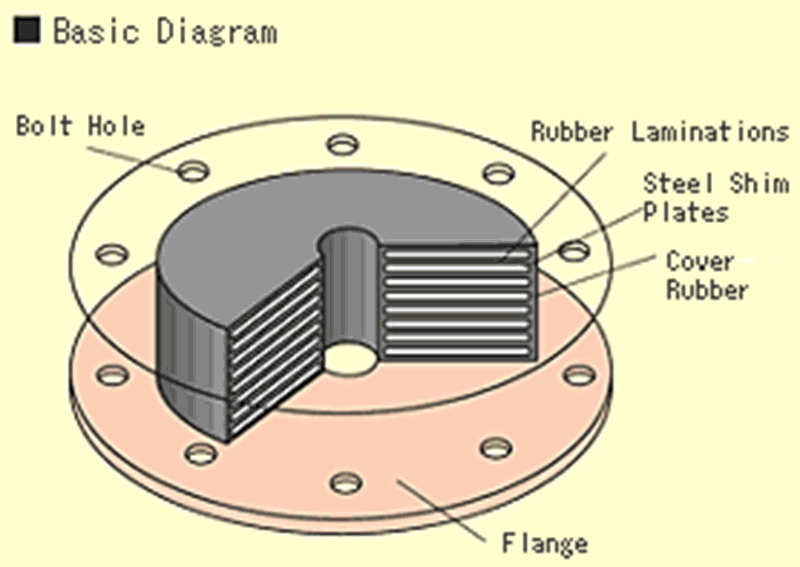
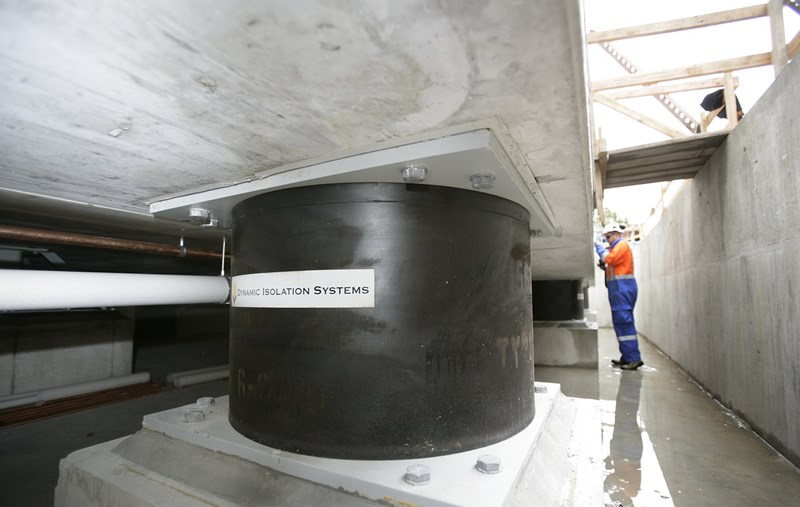
Nobody is owed a greater debt of gratitude around the world, as well as in New Zealand, than Dr Bill Robinson (b. 1938, d. 2011).

Robinson grew up in West Auckland, studied engineering at University of Auckland before completing a PhD in physical metallurgy at the University of Illinois. He then brought his knowledge and nous back to New Zealand where he worked for the DSIR (now Callaghan Innovation) from 1967 to 1991. One day in April 1970 he joined a morning tea discussion with Dr Ivan Skinner at the DSIR offices in Gracefield, Wellington.

Skinner was the head of Engineering Seismology at the DSIR and had recently returned from a sabbatical in Japan. Skinner told Robinson about his plans to use steel earthquake dampers in the base of the new government building being planned for the Ministry of Works - the William Clayton Building. Robinson went back to his office to think about the problem.

His metallurgist's instinct told him there should be a better material for damping than steel.

04.05 Securichain — Murray Baber
Murray Baber

Securichain

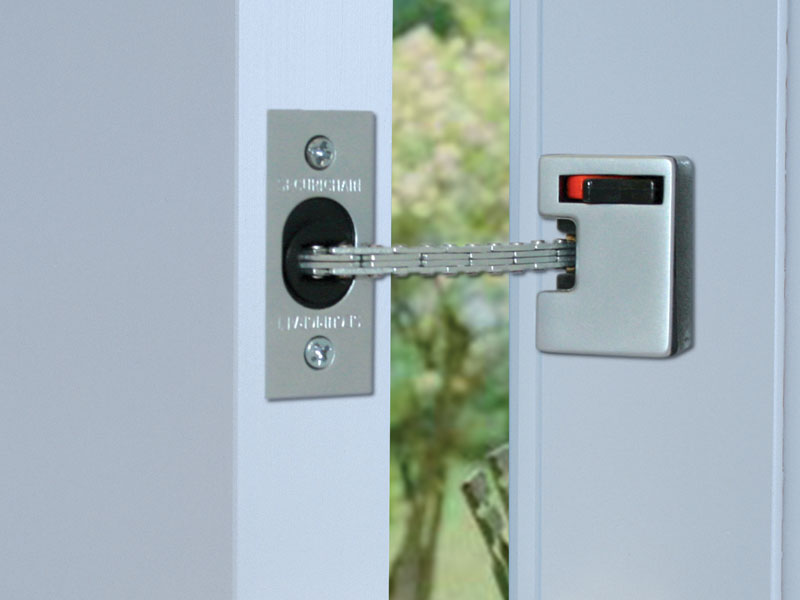
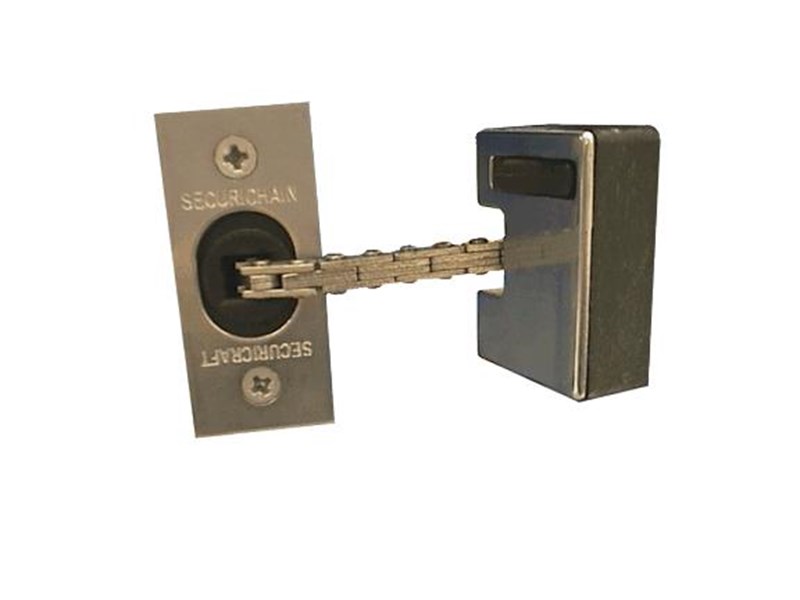
Murray designed a better door chain. The Securichain is fitted inside the door and the jamb, so that when it is closed the only part that is visible is a little box unit that sits on the edge of the jamb with a switch allowing you to easily engage or disengage the chain. The chain is like a little bicycle chain, making it very strong.

Murray and his team set themselves the task of making a door-chain that could withstand twelve shoulder charges by a fourteen stone man (or presumably one shoulder charge from twelve fourteen stone men - thus preventing most, but not all, the All Blacks from breaking into your house). They enlisted the help of the DSIR to test the unit and kept refining the prototype until it was strong enough.

04.06 Human Flight — Richard Pearse
Richard Pearse

Human Flight

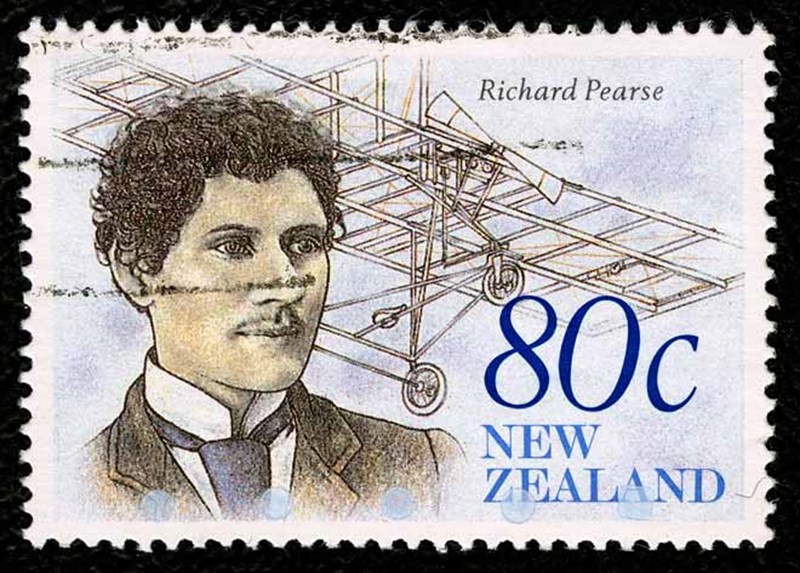
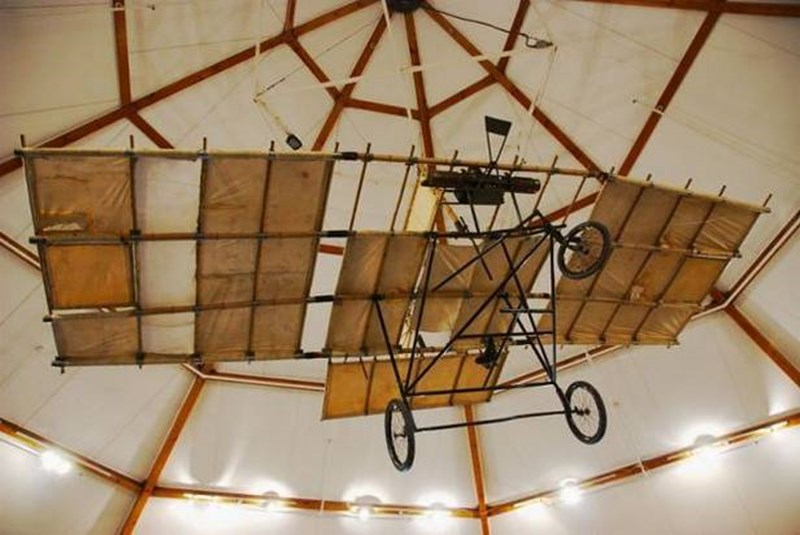
Pearse was a great inventor in his own (w)right, and he created that looked very much like what we consider a plane today - without a huge staff of engineers or the benefit had by (as he put it) 'men who had factories at their back'. He was a true pioneer innovator, testing the limits of the known. And as he himself said, 'It is impossible to assign any invention to one man, as all inventions are the products of many minds.'

Pearse went on to create a number of interesting inventions, including the aileron, popularly known as the plane's 'flaps'. However he never patented it so didn't really benefit from his idea. He invented, during the Second World War, a plane which could take off and land vertically - presaging the Harrier Jump Jet and similar planes. He also created some ingenuous farm equipment, including an automatic potato planter with mechanical arms.

04.07 Satellite in space — William Pickering
William Pickering

Satellite in space

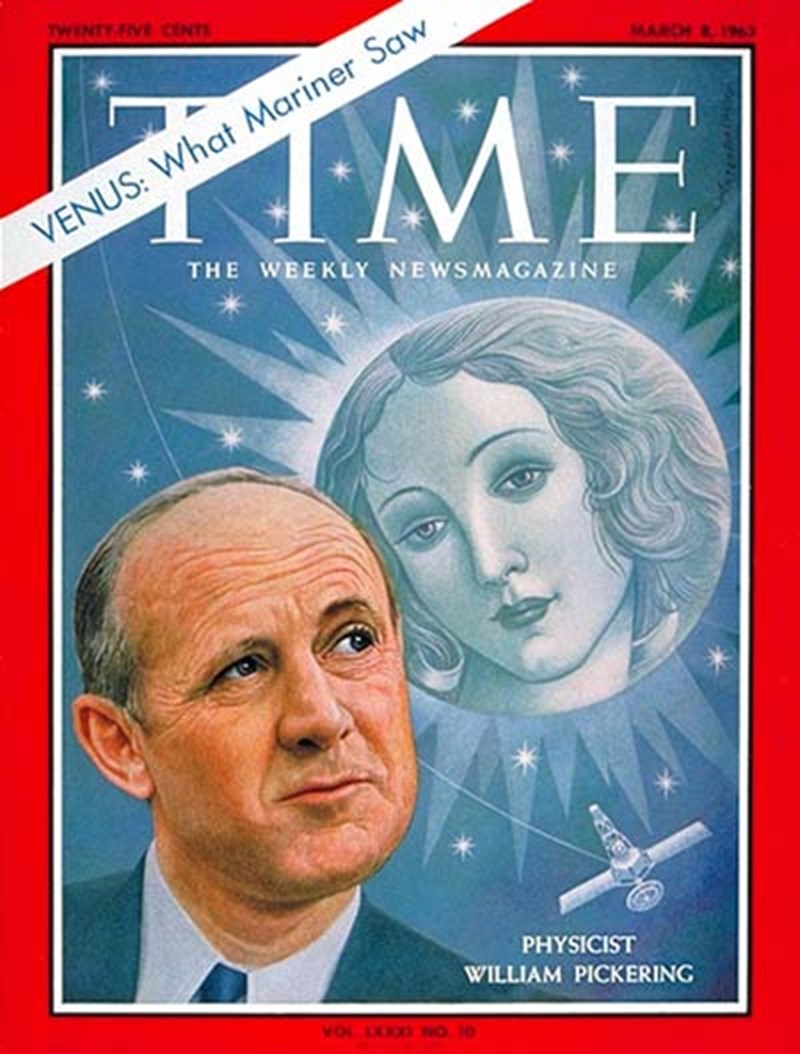
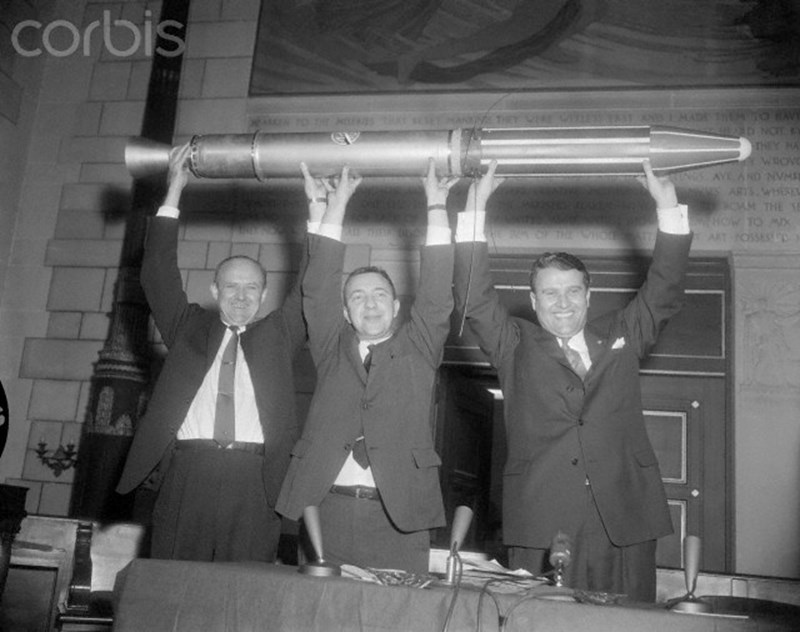
The task before the team at the JPL in 1957 was immense. They were to create a satellite that was technologically the equal of Sputnik, and get it into space as soon as possible. It was a task they accomplished in 3 short months. The satellite they put together was dubbed 'Explorer 1', and it weighed a mere 10kgs.

It carried with it a cosmic-ray detection package, an internal temperature sensor, three external temperature sensors, a nose-cone temperature sensor, a micrometeorite impact microphone, and a ring of micrometeorite erosion gauges. Which, I'm sure you'll agree, sounds adequate for the purposes.

Crudely speaking, the team at the JPL strapped all this to the top of a rocket, pointed it into the sky and on January 31st, 1958, the USA had caught up.

04.08 Britten Motorcycle — John Britten
John Britten

Britten Motorcycle

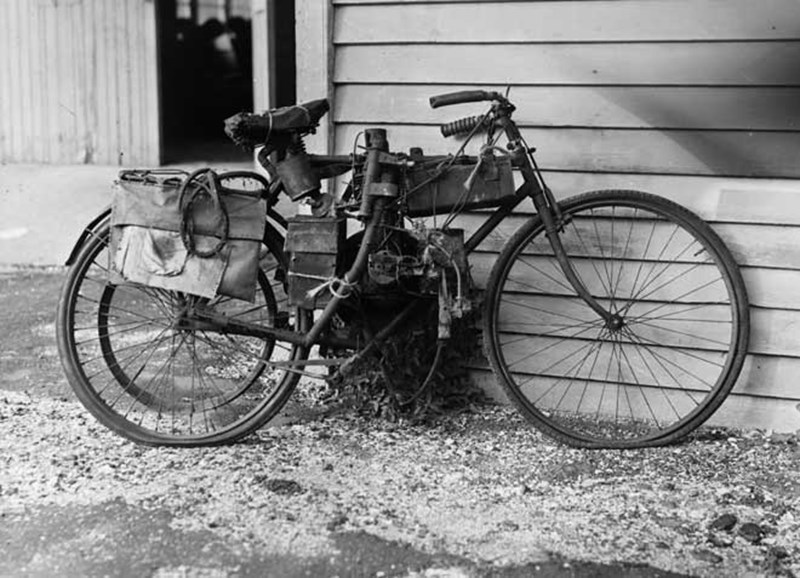
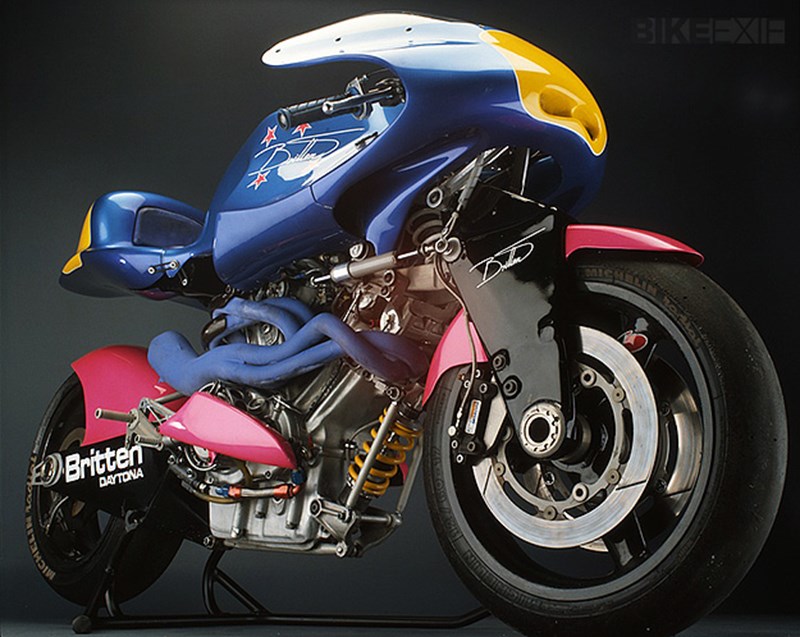
Other countries are good at and renowned for quite refined and artistic things - like fine coffee table design, and the world's most elegant china or lace bedspread manufacturers.

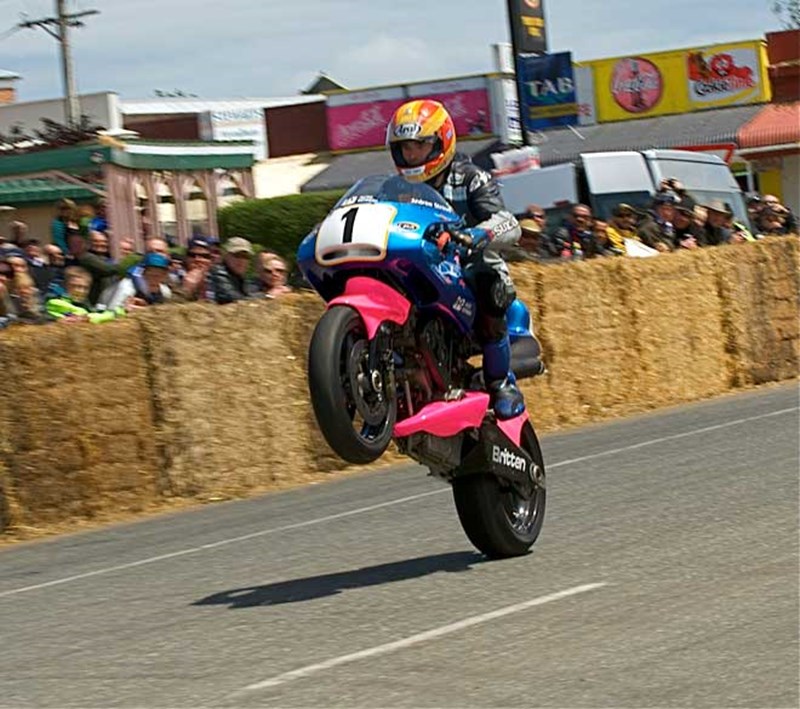
In New Zealand we reject this. We like motorbikes. In 1994 the name of John Britten (b. 1950, d. 1995) joined those of Richard Pearse and Bill Hamilton (who Britten named as his inspiration) as New Zealand's most famous inventors. Sometimes fame outstrips deserving, but in this case his exploits are if anything more incredible than the legend surrounding him. Throwing away the motorcycle manufacture manual and starting completely from scratch in terms of design and materials technology, John Britten and his small team built the fastest 4-stroke superbike in the world.

On the way they pioneered technology that is now being exploited by motorcycle manufacturers everywhere.

04.09 Electronic Petrol Pump — PEC
PEC

Electronic Petrol Pump

In 1939 Ray Williams' father agreed to loan him the money to start his own business, on one condition - that he never leave Marton.

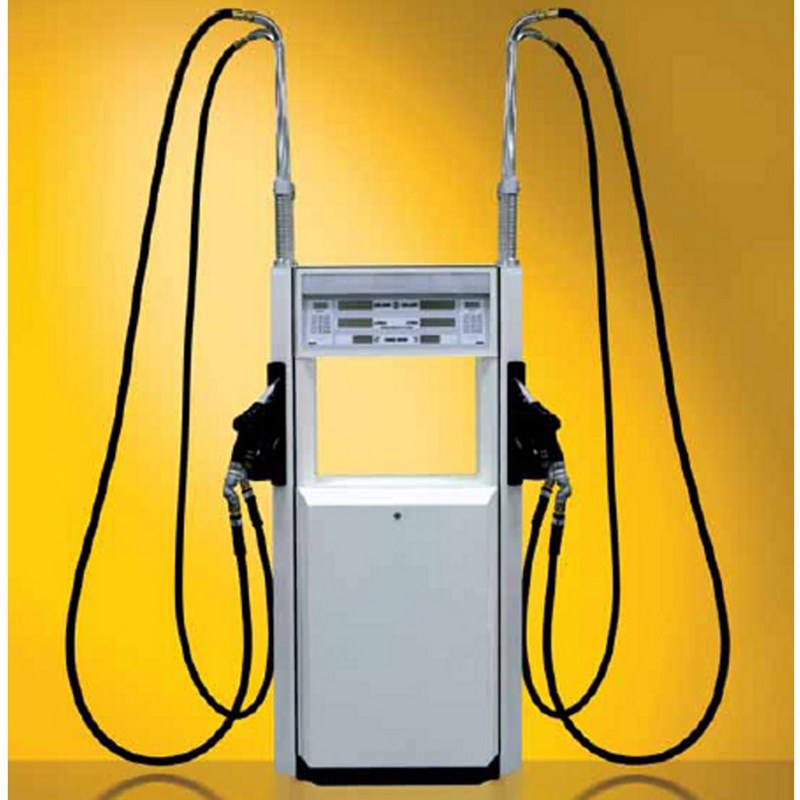
So from a small town in the Rangitikei, PEC, as his company became known, made a variety of products over the years: armaments during the war years, ploughs, electric fences and petrol pumps. In the mid-1970s they began to get an inkling that a big change was on the way. The oil crisis pushed the prices of petrol up and up, approaching the one NZ dollar mark - and the old dial machines had only been built with 2 digits!

On top of this, the increased cost meant the dials for the cost of the petrol spun faster and faster, causing the mechanical display numbers to jam. The invention of the microprocessor had a lot of promise, and they could see a day when their mechanical petrol pumps would be a thing of the past. In true kiwi spirit they decided not to delay the inevitable, but to jump in head first, and start doing it for themselves.

PEC bought NZs first development kit for the Intel 8080 processor, and the engineers at the company taught themselves how to make the world's first electronic petrol pump - the Empec 80.

04.10 Carbon Nanotubes — John Abrahamson
John Abrahamson

Carbon Nanotubes

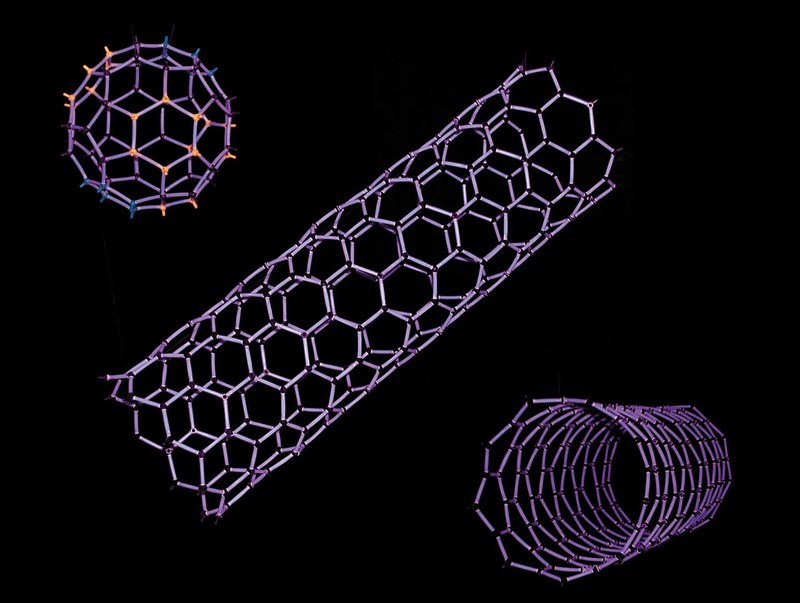
In 1952, at the height of the Cold War, the Russians were onto something – two Russian scientists published a photo in a Soviet science journal that clearly showed extremely small tubes made from carbon. However, due to conditions at the time, and the fact that the article was only in Russian, the rest of the scientific world didn’t notice, and the finding fizzled out.

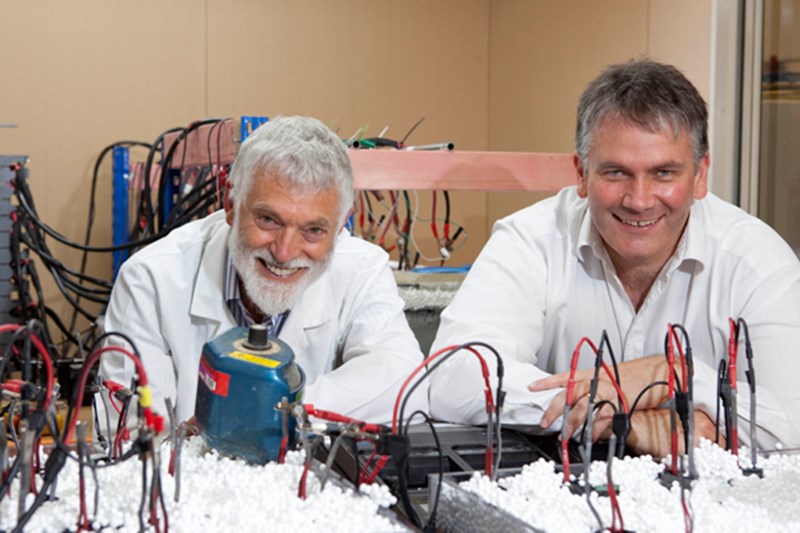
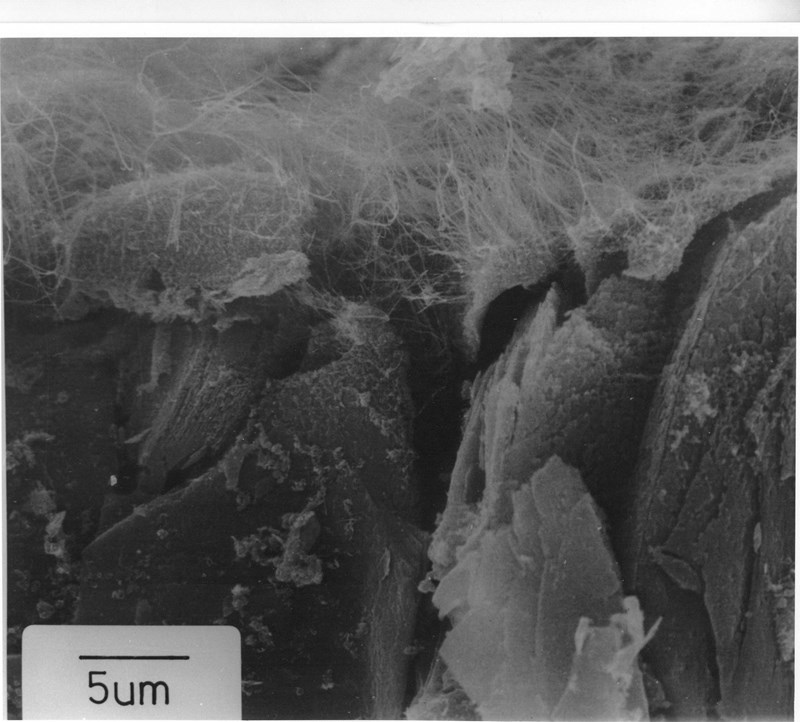
Fast forward to Christchurch, in the 1970s, where scientist Professor John Abrahamson was fiddling around with carbon and electricity, pushing arcs of electrical energy into rods of negatively charged carbon – you know, normal stuff. He was surprised at the end of the experiment to see small fibres left on the rods. They were unexpected and ‘jumped out of the electron-micrograph at us, like a forest of very fine fibres or “carbon grass” as we called them.’ Unlike the Russians, Abrahamson shared samples of his findings with five of the most well-known labs around the world. No one got that excited – it was too early to recognise their potential. But it turned out that it wasn’t carbon grass at all; it was a new form of carbon, where the atoms had arranged themselves into a tube. Abrahamson is now among those credited with discovering this new form of carbon – carbon nanotubes (CNT).

04.11 BFM Fitting — Blair McPheat
Blair McPheat

BFM Fitting

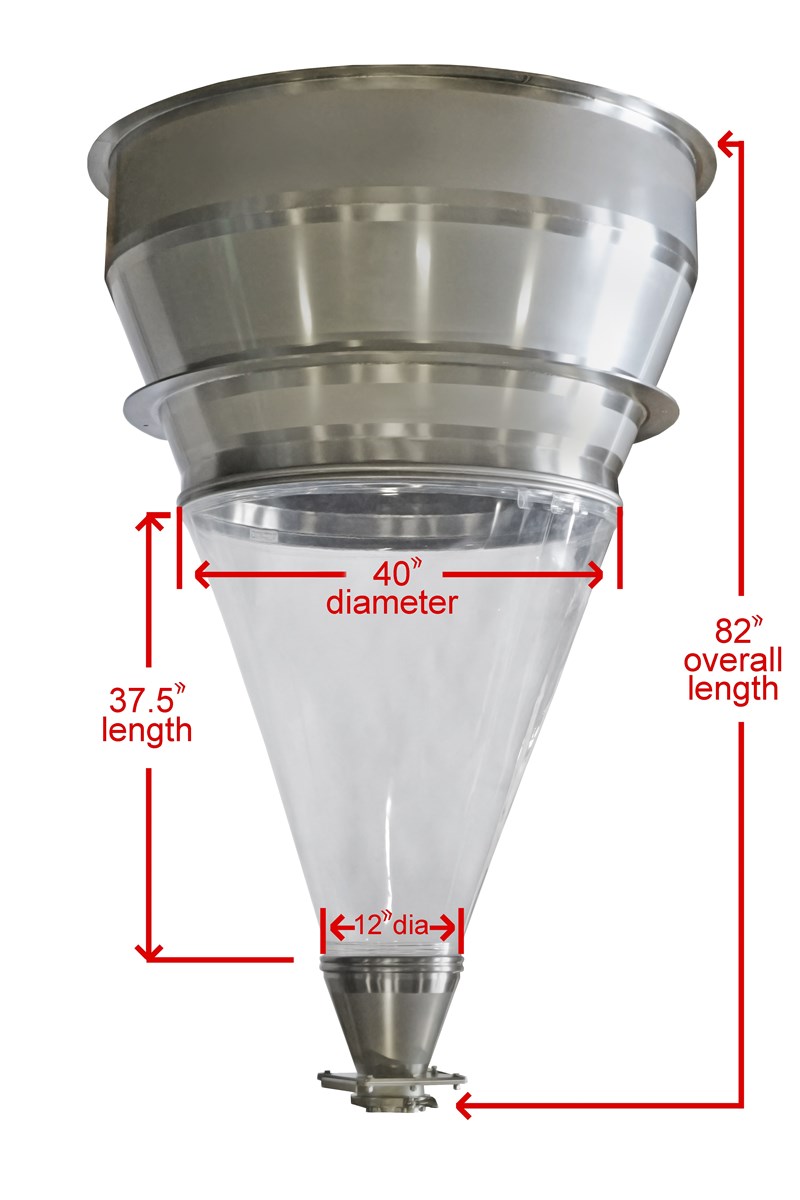
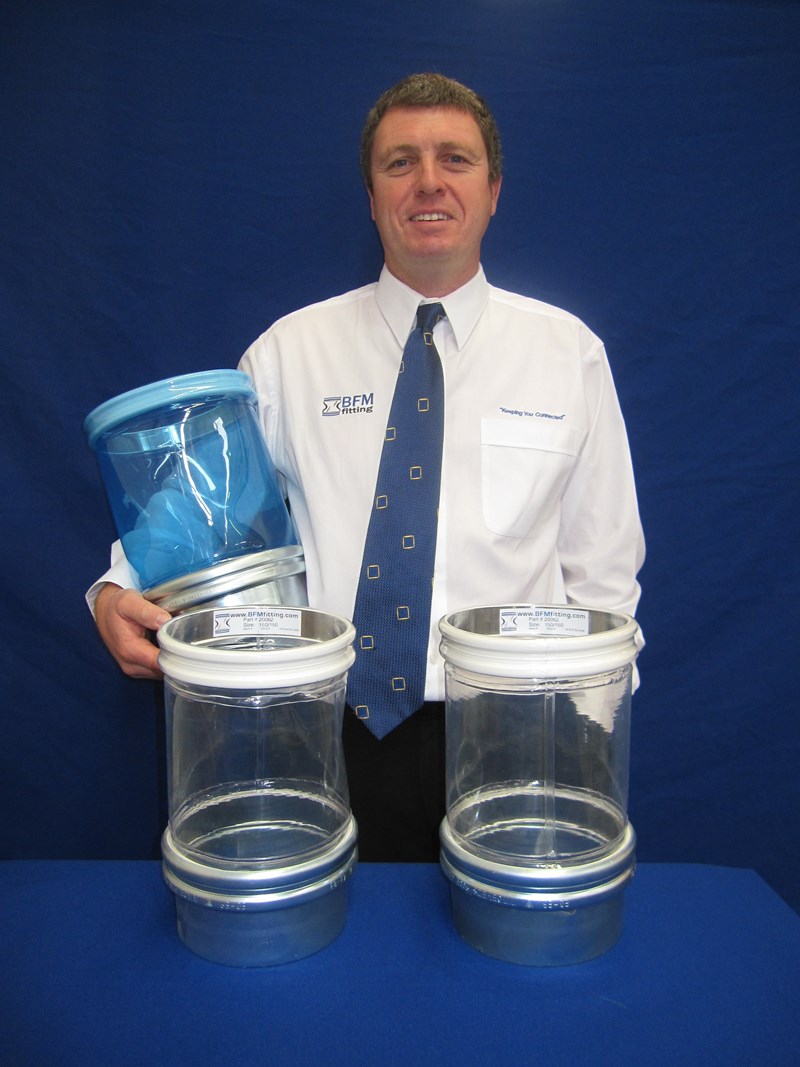
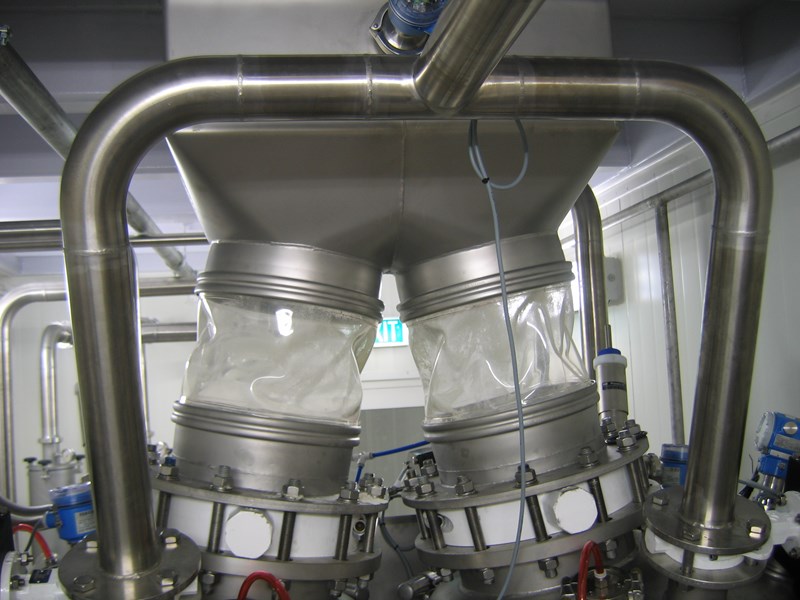
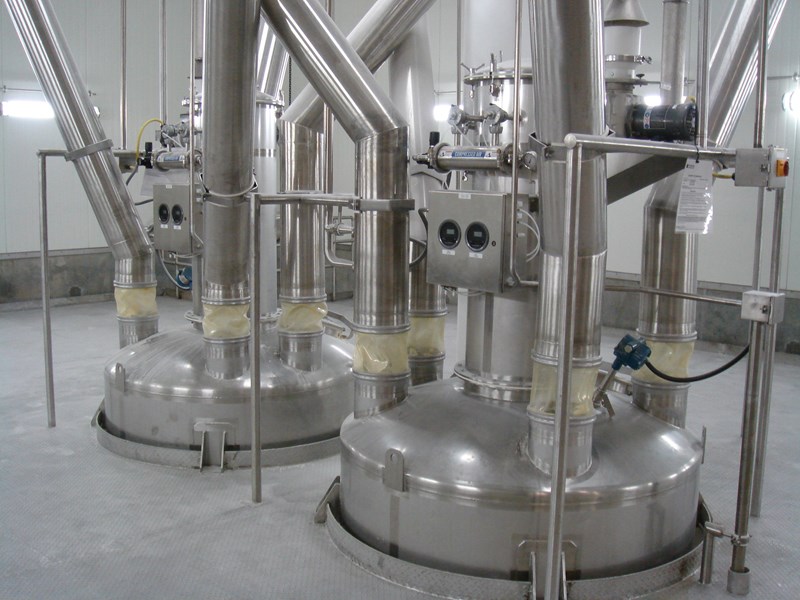
Every processing plant, whether it be food, pharmaceutical or petrochemical has connectors between the different components - the hoppers and vats, sifters and conveyers etc.

These components are often in motion, so the connections need to be flexible. The incumbent connectors were often just any old piece of material attached on the outside of the pipe with hose clips. 'You'd be amazed at all the high tech, million dollar machines around the world with grotty old bits of horse blanket and a hose clip'. The inevitable result is chronic leakage, breakage, wasted time and dust everywhere. Of course fixing the problem wasn't as easy as finding it.

After months of pondering the problem, McPheat sat up in bed at 2am in his Devonport home and told his wife he was going to work. He'd had the idea which was to lead him to his new business.

04.12 Bionic Legs — Robert Irving and Richard Little
Robert Irving and Richard Little

Bionic Legs

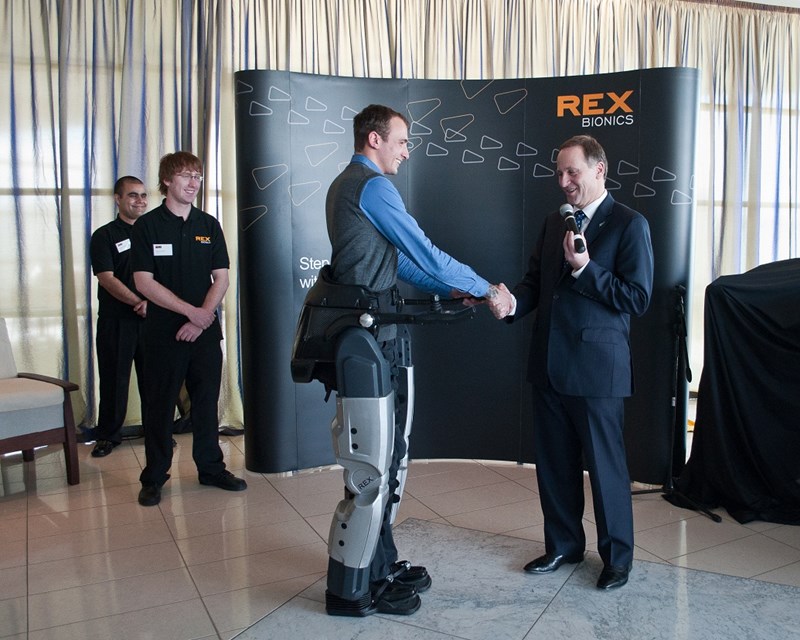
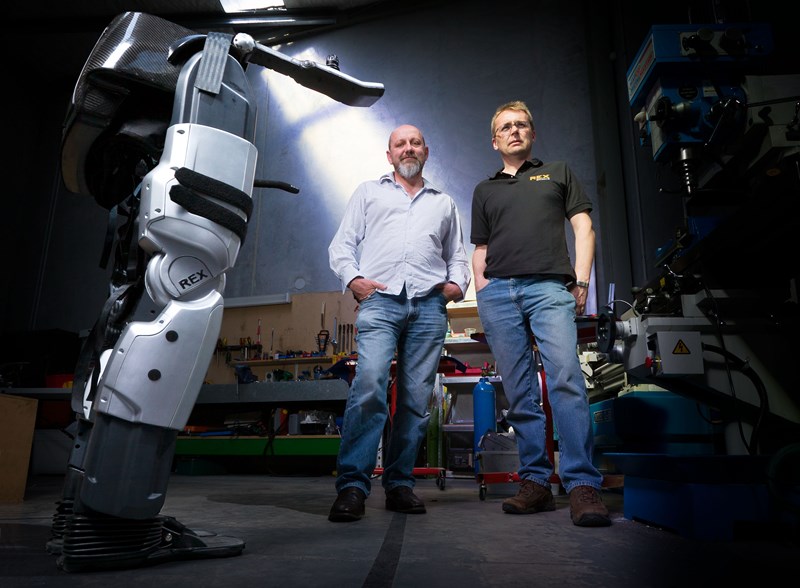
In 2003, Scottish born kiwi import Robert Irving was diagnosed with Multiple Sclerosis. His own mother was already a sufferer of the debilitating disease and so he knew that a future in a wheelchair might be ahead of him.

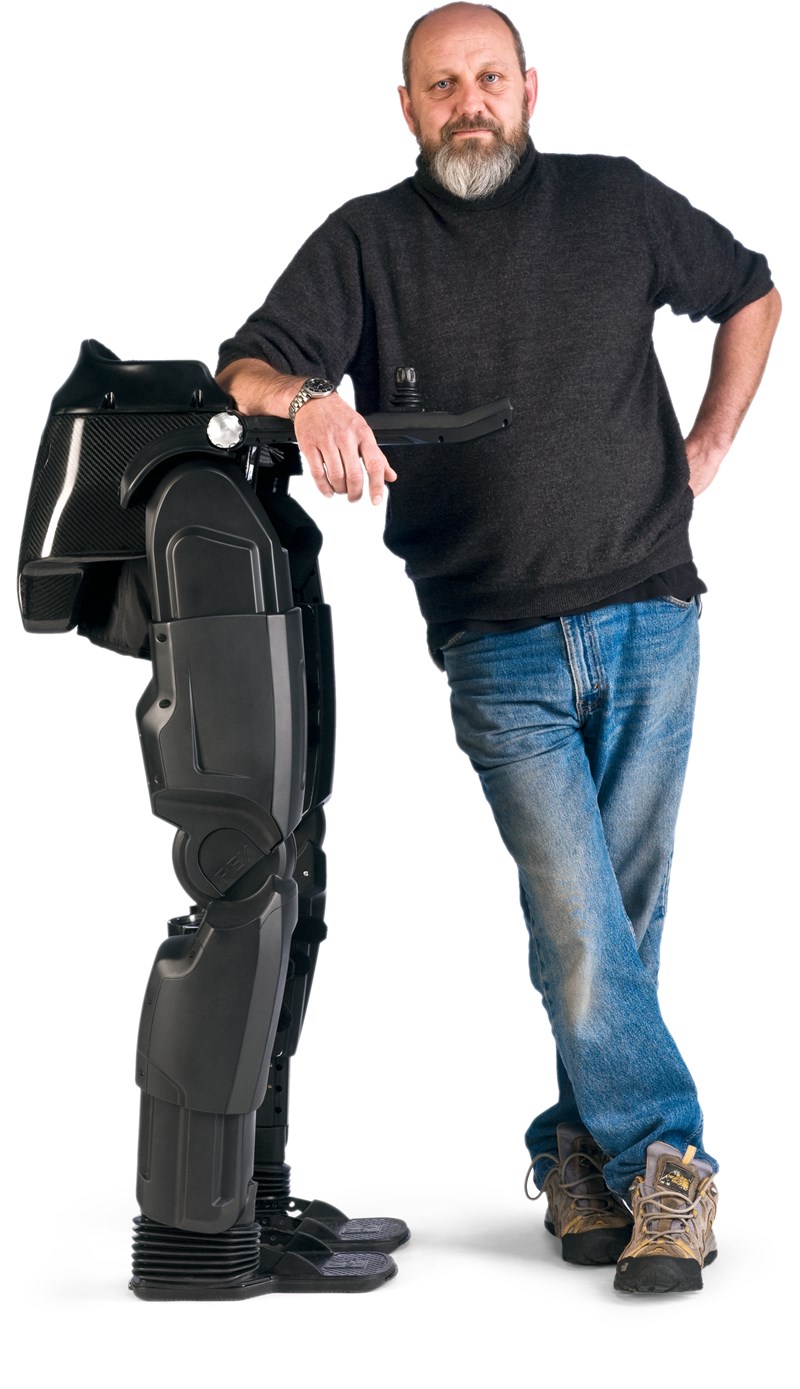
As an engineer however, he decided to do something to prepare for this eventuality. He teamed up with fellow engineer and another import to NZ Richard Little - the two describe themselves as 'kiwi by - and they decided to use their engineering know-how to design and develop a machine that would allow wheelchair users to stand and walk. Their first design sketch was decidedly low tech, literally on the back of a beermat, but the machinery they put together was anything but.

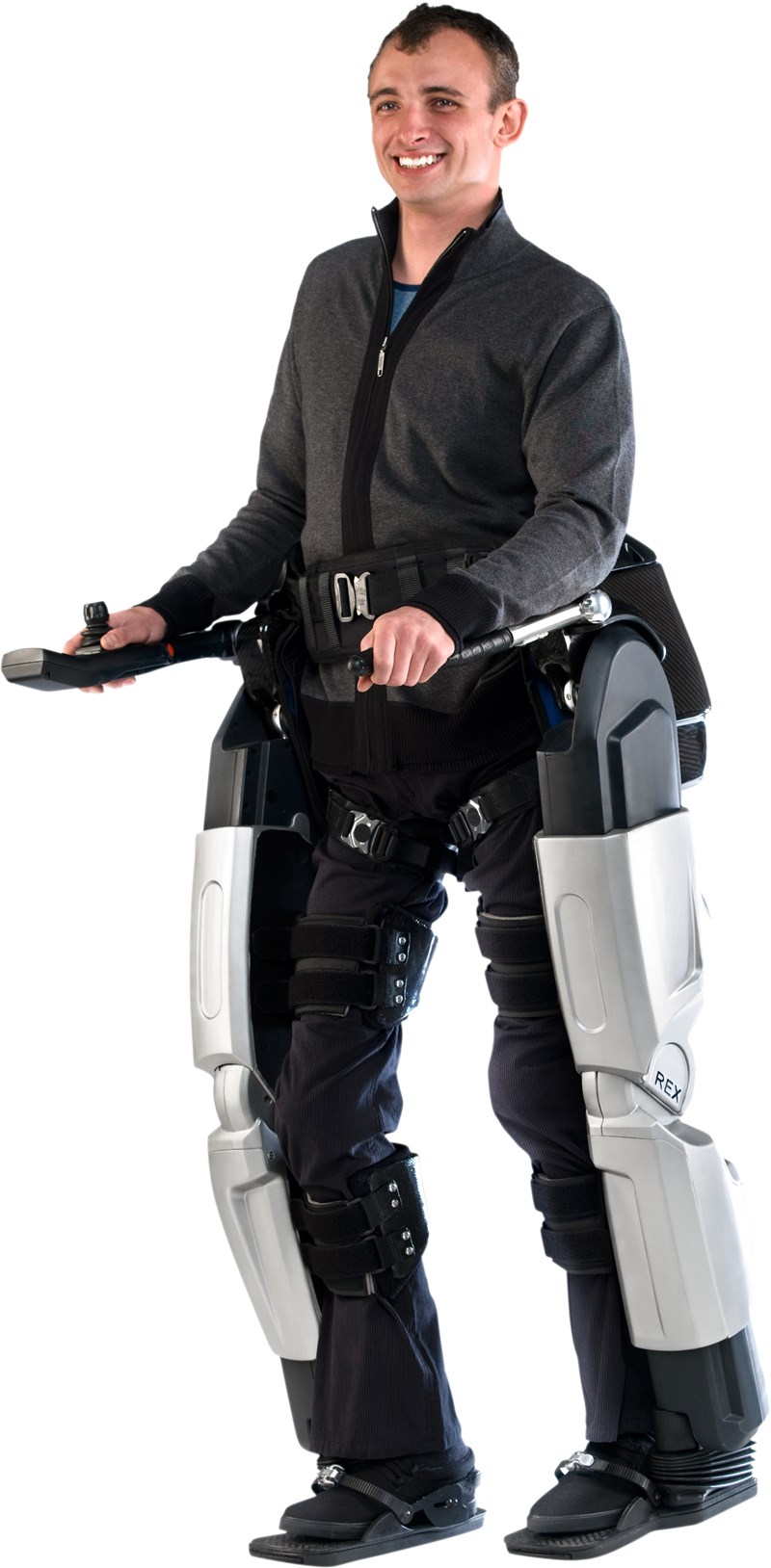
They describe New Zealand as a great place to innovate - an easy place to do business, with lots of innovation nearby, 'We googled it, and discovered the world leader for a component we needed was in Onehunga'. The robot they developed is a complex mixture of computer hardware, software, electronics, and electro-mechanical parts, expertly assembled and designed to fit around the legs and lower torso of the body. From a sitting position, where you strap yourself in, the bionic legs can help you stand and walk - and much more besides.

The sophisticated machinery allows the user to control it with a small joystick and there are even plans to extend the 'sci-fi' factor further, with a collaboration that would allow users to control the legs with their thoughts alone - harnessing the electrical impulses of the brain and translating them to commands for the Rex machine.

04.13 Hamburger Holder — Roland Mathews
Roland Mathews

Hamburger Holder

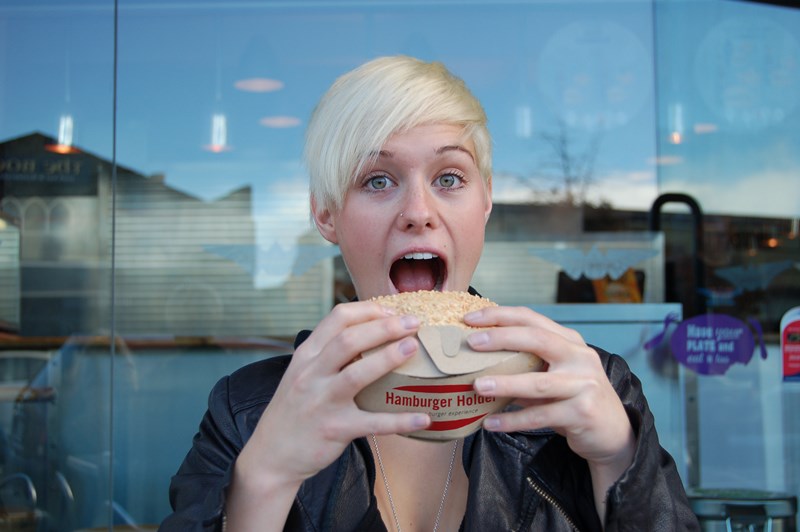
In 2002 New Plymouth-born Roland Matthews came up with a novel invention for holding his hamburger.

His folded paperboard packaging was created when, driving to Auckland, he got tired of having a McDonald's Mega Feast landing on his lap. After searching international patent records, he realised that in the 100+ patents for hamburger packaging, none solved the issue of mayonnaise dripping on your pants.

Matthews underwent a rigorous burger-holder design and testing procedure and came up with a simple folded-cardboard design that cups the burger as you eat it. When he was happy with the design, he showed his creation - the imaginatively named 'Hamburger Holder' - to NZ burger chain Burger Fuel, who loved the idea, licensed it from him, and put it on all their counters as the 'Doofer'.

The product is now used throughout New Zealand and in Australia and now Matthews is taking it global.

04.14 Fastmount — Gregg Kelly
Gregg Kelly

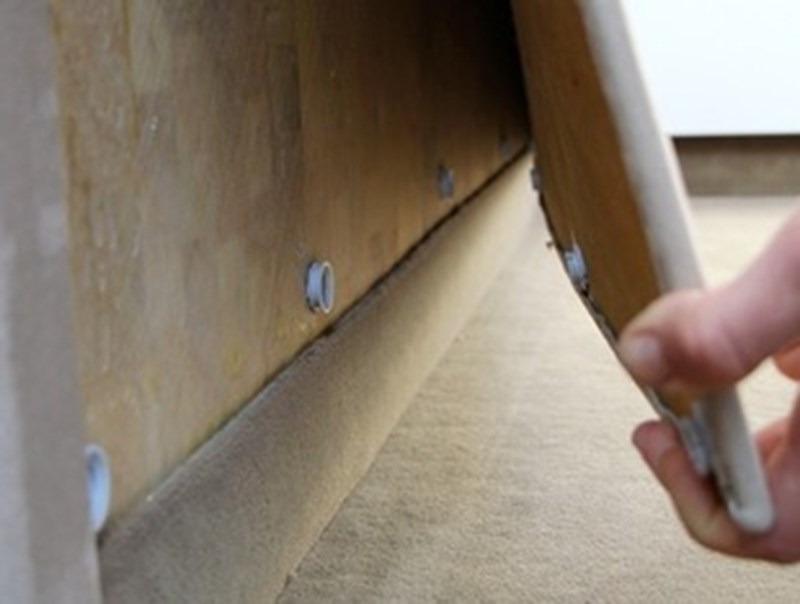
Fastmount

New Zealand’s high-tech marine industry gave birth (and berth!) to a company that has developed a superbly simple and beautifully designed system for mounting removable surface panels. As you probably know from your own one, superyachts are lined with removable panels so that their internal mechanisms such as electrics can be easily accessed. But Gregg Kelly was frustrated with the normal (often just Velcro) system for mounting interior panels on the yachts. The panels on these multimillion- dollar boats simply never aligned properly and kept falling off. In 2004 Kelly and designer Ron Hanley set themselves the challenge of solving these problems.

The result was Fastmount – not just a bunch of fixings but the world’s first full mix-n-match system for fitting panels. They’ve consistently used customer feedback, making their system even more versatile. Says marketing manager Joss Hong, ‘Constantly asking “What other panel mounting problems could we solve?” is a key principle to our success.’

This 10-year-old business, with just four employees and no office – they work wherever there is Wi-Fi – has survived the global financial crisis and is gearing up for growth, also expanding to the campervan, aviation, industrial and architectural markets. Luxury yacht industry leader Sunseeker was one of their first international customers and business has grown fast with 1000 boatyards in 50 countries using this revolutionary, made-in-New Zealand system to mount panels. Fastmount has sold over 25 million clips, and won numerous design and business awards internationally.

04.15 Martin Jetpack — Glenn Martin
Glenn Martin

Martin Jetpack

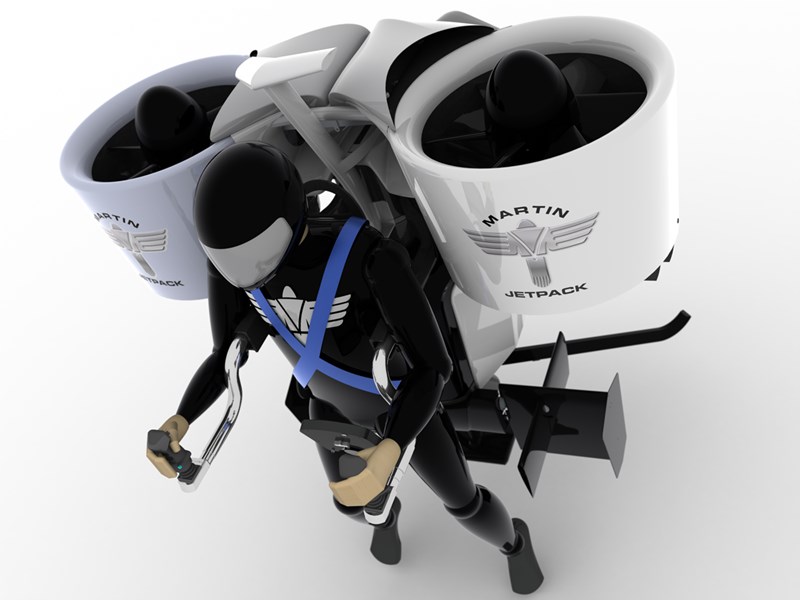
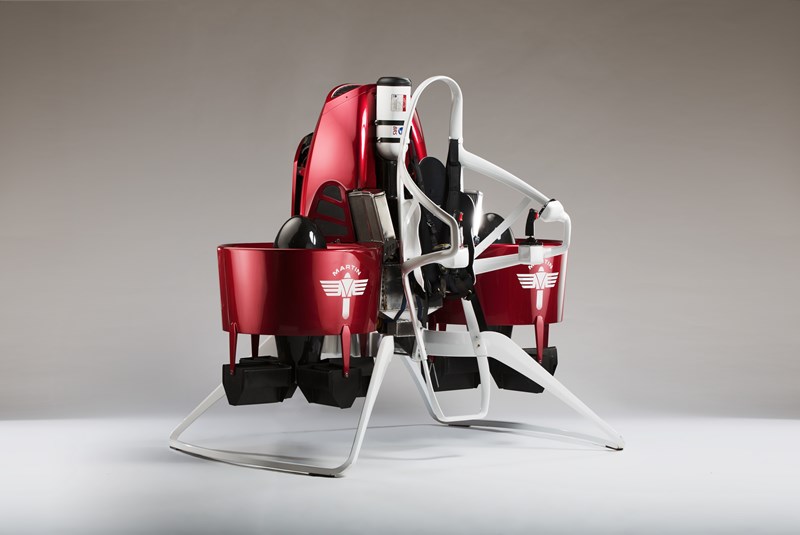
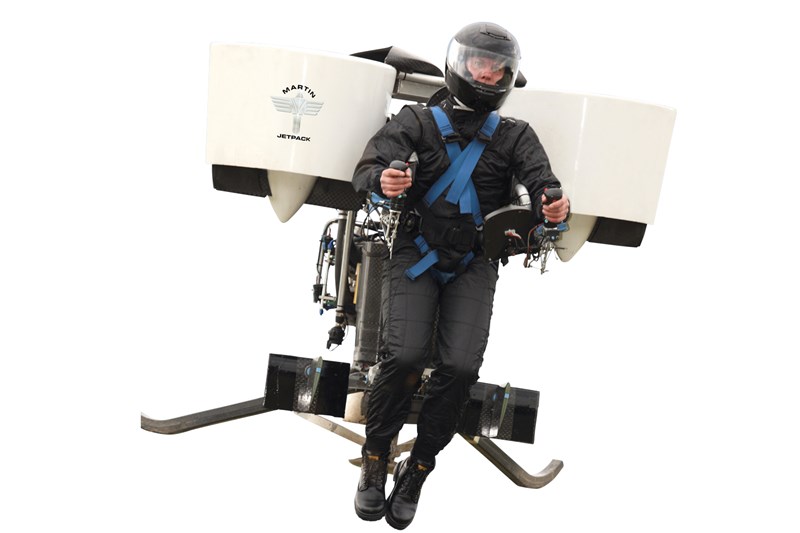
The history of jetpacks is long and there have been hundreds of prototypes made all over the world. The most famous is the Bell Rocket Belt. It was powered by tanks of hydrogen peroxide, which decomposes into steam and oxygen, blasting out of nozzles on the pilot's back and thrusting him or her into the air. Before you knew it there were rocket packs popping up everywhere. At the opening ceremony of the Los Angeles Olympics, in the 007 movie Thunderball, even for the audiences at Michael Jackson's Dangerous World Tour. But there was a major problem. The jetpack would only work for 30 seconds at a time, it screamed like a banshee and the pilot had weigh less than 60kg and wear asbestos pants because the exhaust came blasting out at 740 degrees Celsius. Also hydrogen peroxide fuel was very expensive. In the end even the military gave up on jetpack research, putting it into the basket of excess difficulty. It looked like the jetpack would end up a novelty footnote in aviation history. The future would have to wait.

04.16 Power by proxi — Greg Cross
Greg Cross

Power by proxi

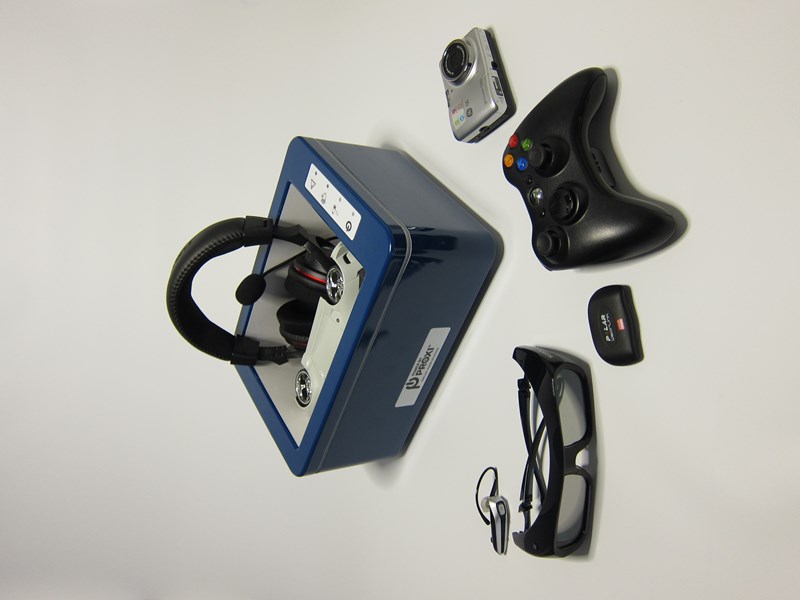
Through university business development and commercialisation programmes Spark, Icehouse and Uniservices, John Boys met Greg Cross.

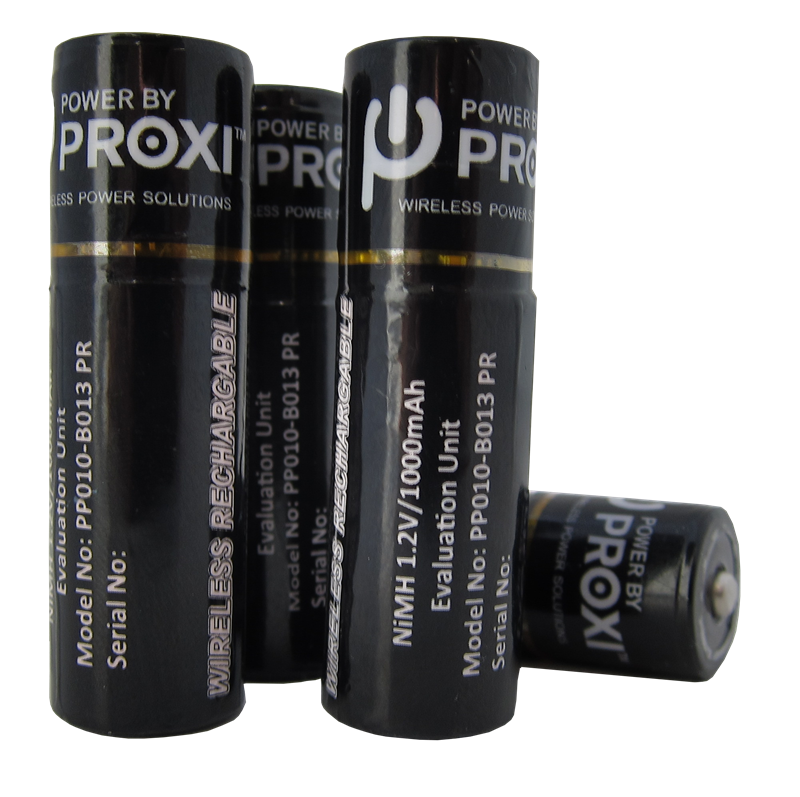
Cross and one of Boys' former students Fadi Mishriki set up PowerbyProxi to license the patents filed by Boys and turn them into marketable products. That was in 2007. Seven years later, PowerbyProxi are working in both the industrial and consumer space. Industrially they are making wireless power for applications that are too wet, dirty or moving too fast for wires.

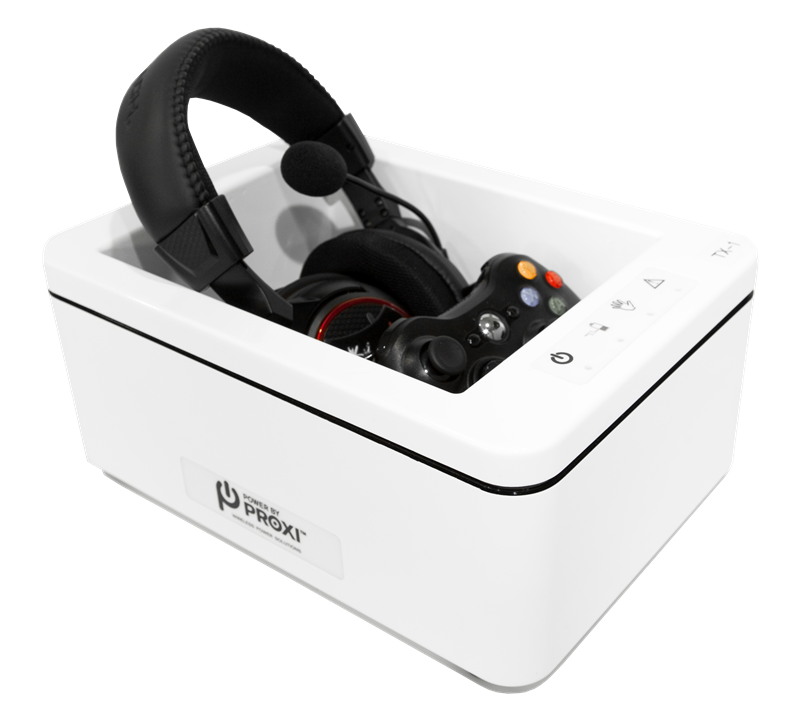
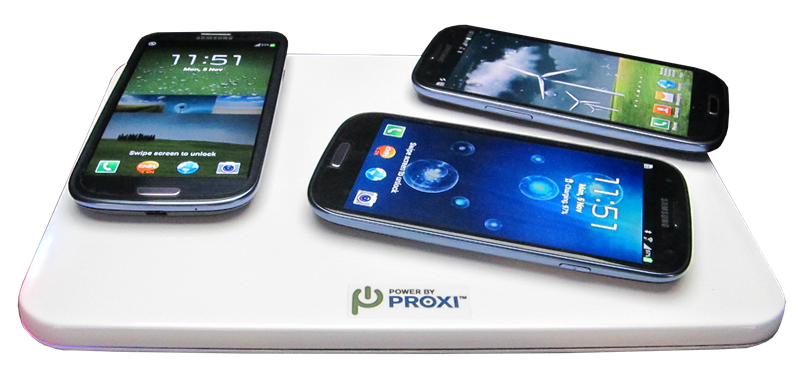
Their Proxi-Ring replaces a mechanical slip ring and delivers more reliable power with much less maintenance and has already been used in forestry equipment by John Deere and in wind turbines by Spain's largest wind turbine manufacturer. In the consumer space PowerbyProxi are developing pads and boxes to free people of the necessity of plugging a device into the wall to charge it.

Wireless charging will allow them just to place their phone, shaver, tablet, remote control, toy car etc on a charging surface that could be built into a table or benchtop or to the centre console of your car, and it charges away.

04.17 Romotow! — Matt Wilkie & Stuart Winterbourn
Matt Wilkie & Stuart Winterbourn

Romotow!

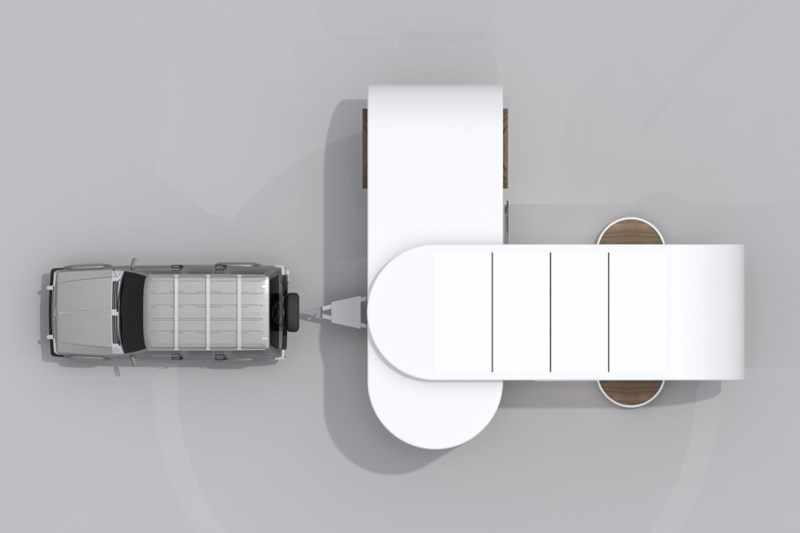
Looking like a giant USB memory stick being towed down the road, the Romotow is a new concept in caravans. Invented by architect and designer Matt Wilkie and engineer Stuart Winterbourn of Christchurch, it’s lozenge-shaped and has an aerodynamically curved front, making it easier for towing. But when you park up, the real innovation comes into play. The whole thing swivels open, forming two wings arranged in an ‘L’ shape, one opening into the other. The result is a stunning design giving almost twice the space of a standard caravan, with a bedroom that flows beautifully out to an enclosed dining/kitchen area.

When you’re ready to drive away, collapse the kitchen and dining furniture and swivel the caravan closed like a pocketknife. The question is, ‘When does an invention become an invention?’ Because as yet there is a website with an avid following of believers, there are designs for four different styles, three staff, an article in Wired magazine and even a US patent but, at the time of writing, no product or even prototype. Romotow says they’re coming, though, so perhaps by the time you read this, the Romotow will be ready for the road.

04.18 Wave Power generator — NWEI
NWEI

Wave Power generator

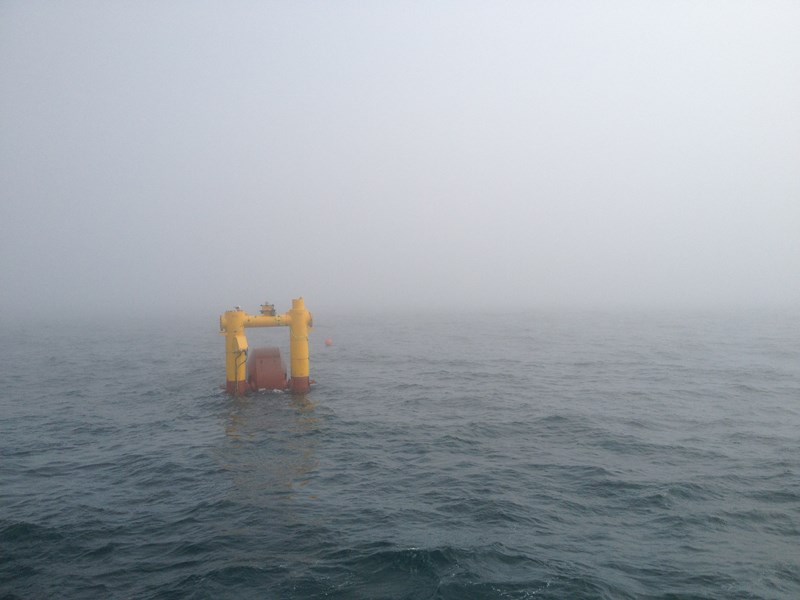
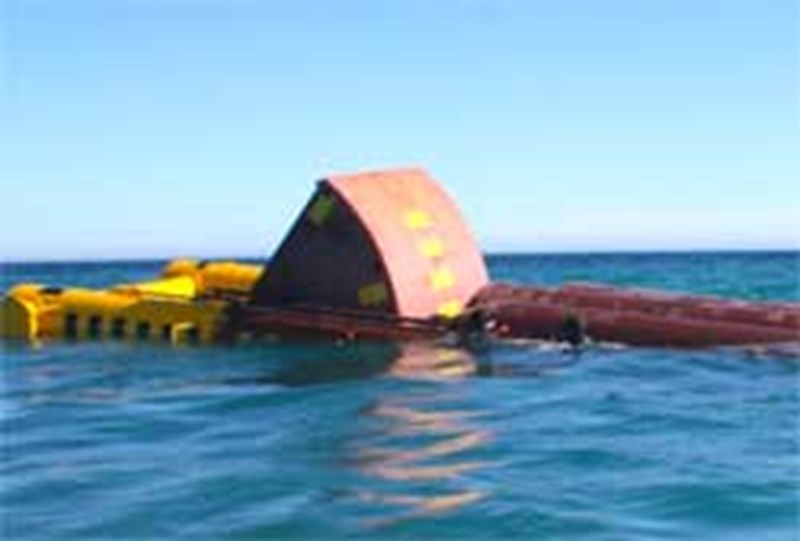
Alistair Campbell of Callaghan Innovation and his team started in 2004 in a different way to other researchers around the world. As engineers rather than mathematicians they looked to develop an engineering solution that would be robust enough not to get smashed and sink - the fate of most early attempts.

Says Campbell 'We started dreaming stuff up in the shower, watching the water flowing'. While their overseas rivals were testing small models in wave pools, Campbell and his team loaded their models onto trailers and tested them in their wave pool - Lyttleton Harbour. And they were able to prove that not only did their eventual solution deliver power, but that it survived the ocean. Most wave power generators capture either the up-and-down motion of the waves (heave) or the back-and-forward motion (surge).

What's clever and different about this Kiwi approach is that their massive float spins between its uprights, capturing not only the heave, but also the surge. Originally called WET-NZ, the invention is now licensed to an American company called NWEI who, along with New Zealand company EHL, carried out successful testing in Oregon in 2013 and are testing it with the US Navy in Hawaii in 2014.

04.19 Cortex — Jake Evill
Jake Evill

Cortex

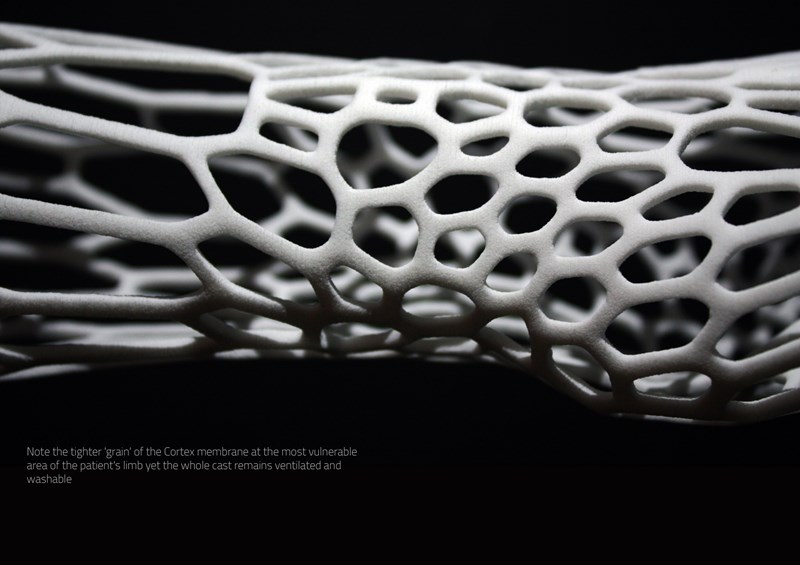
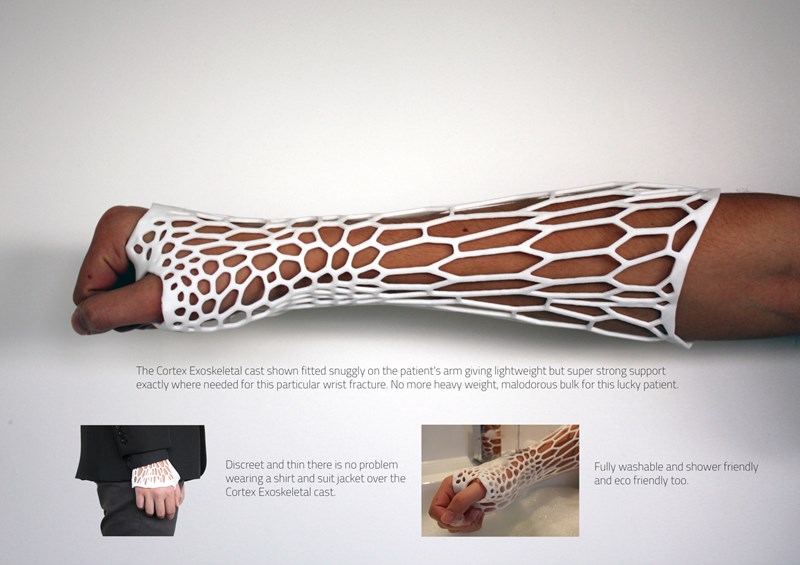
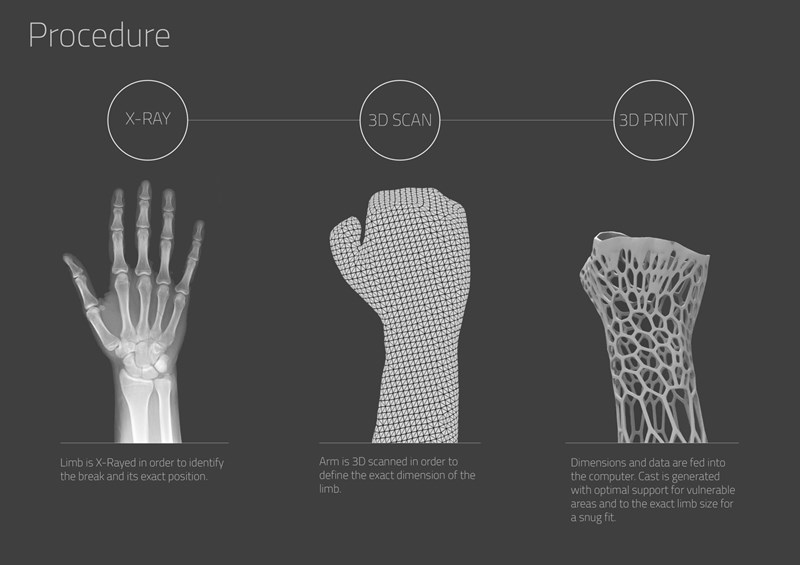
The cast consists of a web-like hard plastic shell, made from Nylon, printed in a 3D printer to an individual design per appendage.

The specific design of each cast is calculated by a special software package, and it creates a unique pattern designed for best fit and optimal support of the key area that needs it. The design won Evill the 2013 James Dyson award for design and innovation, and they are currently looking into ways to commercialise the product and bring it to a waiting world.

Hopefully this helps Evill get his big break.

04.20 Cablecam — Thornton Bayliss
Thornton Bayliss

Cablecam

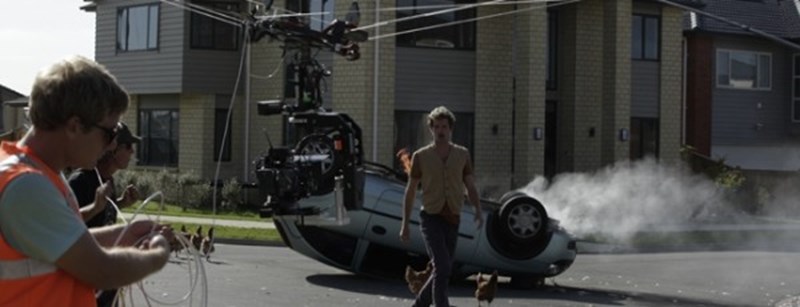
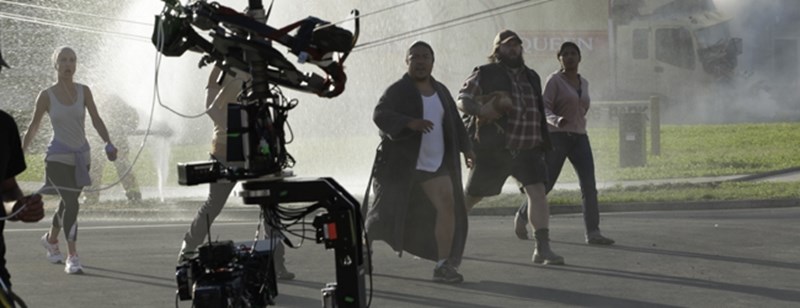
The idea behind the Cablecam came when Bayliss realised there was a need to come up with a system that film cameras could use to get into tricky-to-film places, where a traditional camera couldn't go and where a helicopter or other flying device wouldn't work.

He spent 3 years tinkering with the system and using tricks from his fishing and timber industry experience before getting a patent in 1993. It was initially designed to be used for sports, and in fact one of its first uses was filming the Kentucky Derby horse race. It was then used for the Winter Olympics in Norway in 1994 before crossing over to the film industry proper. It's been used on some big name movies, and by some big name directors like Spielberg, Cameron and Burton (Tim, not Richard).

Today there is hardly an hour goes by when the system is not being used, particularly in televised sport.

04.21 Live 3D Sports Graphics — Ian Taylor
Ian Taylor

Live 3D Sports Graphics

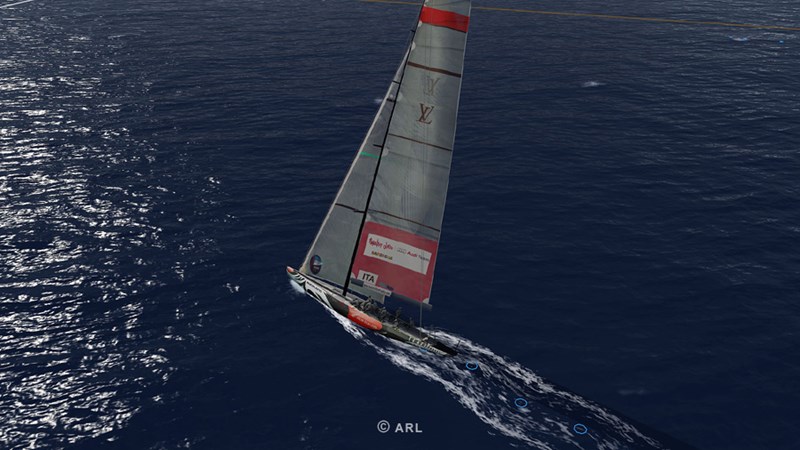
ARL started in 1989 as a joint venture between Taylor and University of Otago, who provided him with a team of international prize-winning computer programmers. They made the opening graphics for University Challenge and then went on to graduate to other challenges.

Just sitting around in the office, Ian posed the question to his team 'is there anything we can to do make watching yacht racing easier?' One of his programmers said, 'If there's data coming off those boats I don't see why not'. Taylor took the idea to TVNZ who borrowed a $500,000 computer from Silicon Graphics for the job and ARL created their 'Winged Keel' software the 1992 America's Cup. In doing so they invented the world's first live animated graphics for sports coverage.

It changed the way the world watches sports on TV.

Taylor plays it down. 'Our big innovation? Showing who was leading.'

04.22 Telegraphic typewriter — Donald Murray
Donald Murray

Telegraphic typewriter

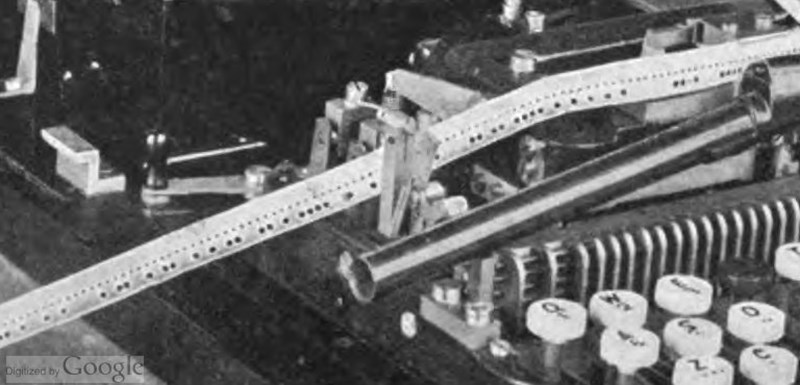
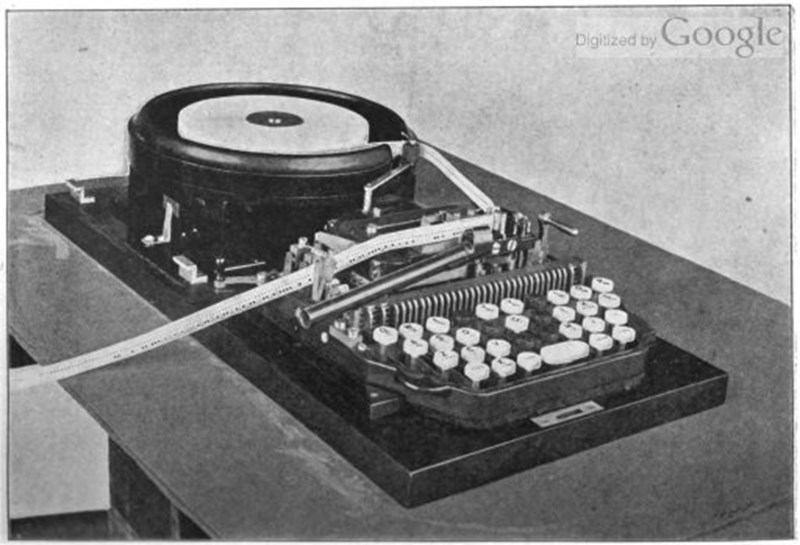
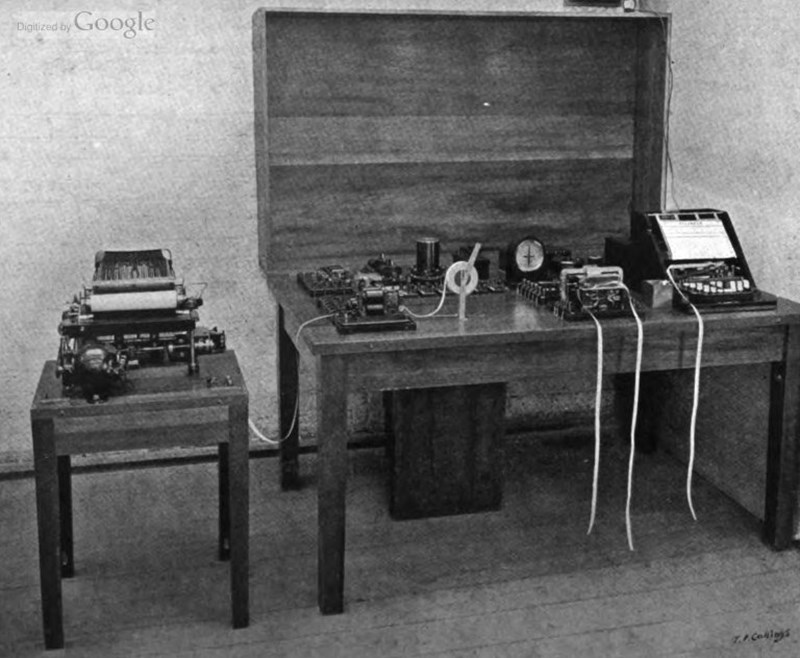
The thing about typewriters in the late 1890s is that they were all so local. The person typing sat in right front of it and the paper came out of it right there, and if they were - for example - a journalist, as was Donald Murray (b. 1865, d. 1945) then that journalist would have to frantically type their story at the keyboard, rip the finished story from the back of the typewriter (with that familiar sound) and run down to the editor's office yelling 'hold the presses'. Not ideal, but at least that worked if everyone was in the same place.

When Murray was working at the Sydney Morning Herald, receiving and filing stories from all over Australia and the world, it got even worse. He'd have to take his finished story to a telegraphist, who would convert it to Morse code, then laboriously tap it out, so someone at the other end would listen, note it down in Morse, and convert it to English, and re-type it up again. Horrifically inefficient.

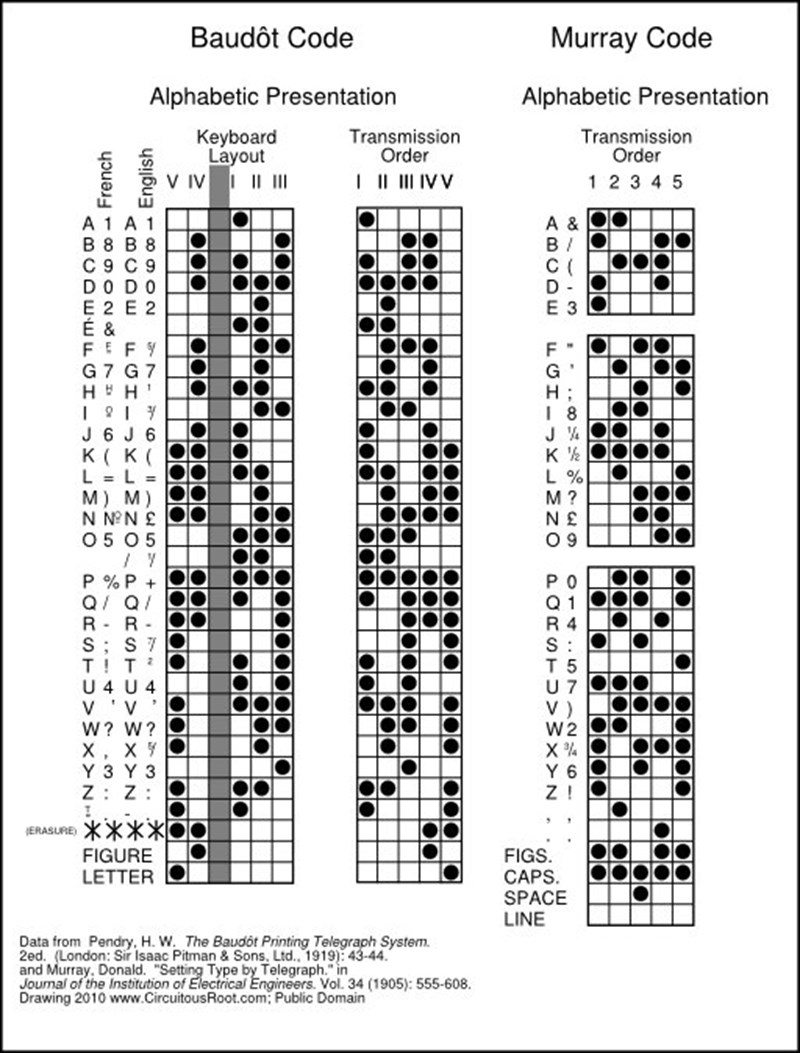
Simply put, Murray's brainwave was to separate the printing bit of the typewriter so that it could go anywhere, meaning you could type at one end and the remote printer would print out what you'd written. In this way, he got rid of all the work and delays in the middle, including those telegraphists, which is probably why they aren't showing up in my spellchecker anymore.

04.23 Glowing paths — Hamish Scott
Hamish Scott

Glowing paths

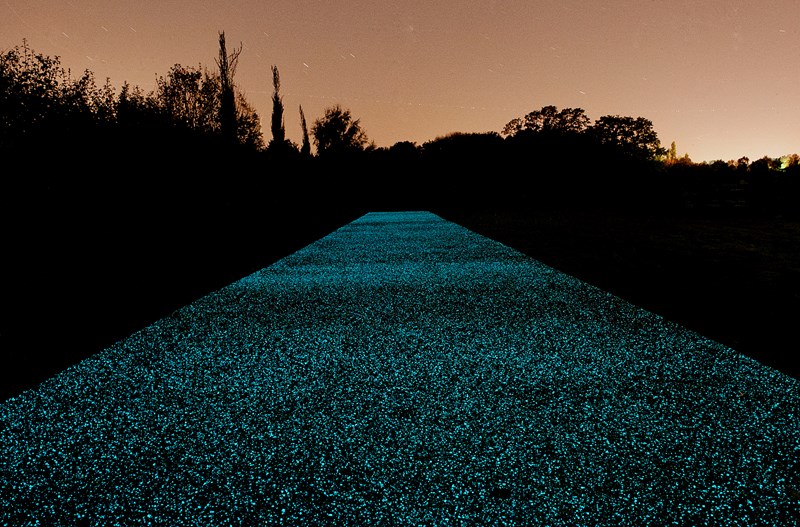
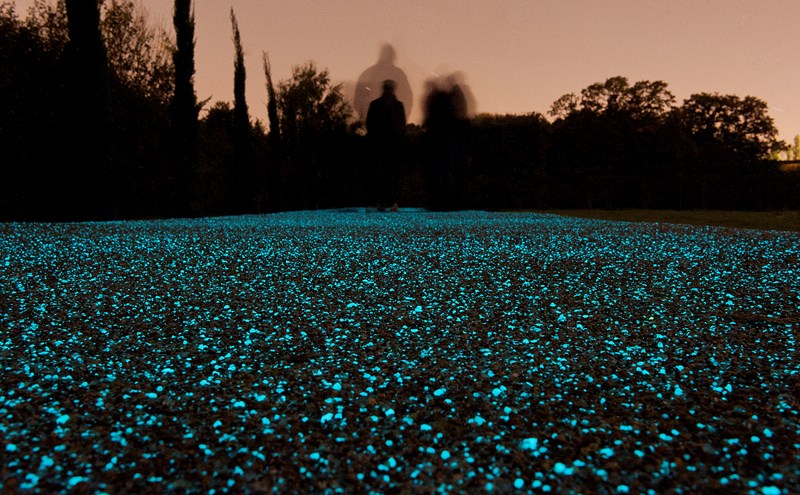
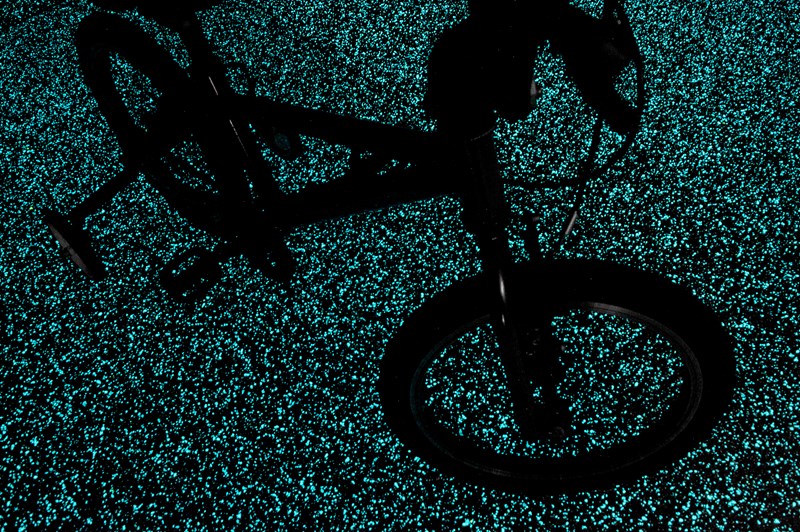
The idea is simple. Where Scott lived, in the Surrey in the UK, councils had begun to save money by switching off pathway lighting in parks at night. But what if the path itself glowed? No expensive lighting, no ongoing maintenance, no electricity.

The pathway system can easily be followed at night. Over a period of four years, Scott and his company, Pro-teq Surfacing, developed and patented a simple solution: a glow-in-the-dark spray that can be applied to a normal pathway. The spray contains a fine aggregate, the particles of which absorb ultraviolet light during the day and glow at night.

At the same time Scott's company also developed breakthrough technology which means the sealant also reseals the pathway, repels chewing gum and graffiti, can be coloured, and lasts 25 years.

04.24 ePTFE (aka Goretex) — John W. Cropper
John W. Cropper

ePTFE (aka Goretex)

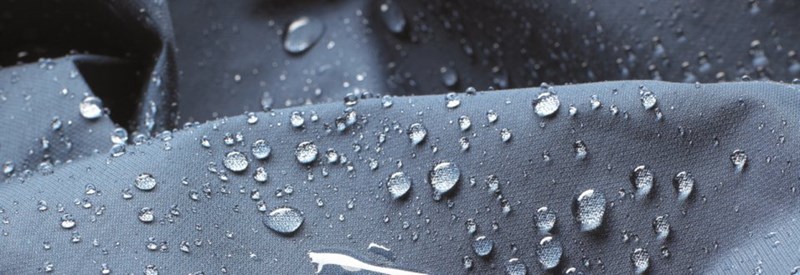
If you search through the wardrobes of your house, you are likely to have some. The waterproof fabric known as Gore-Tex is a technological marvel – it lets sweat and moisture out, but protects against wind and rain. It’s smooth to touch, it’s a multi-billion dollar industry – and it should have been ours!

This is a sad tale, another near miss and another lesson on protecting intellectual property. It’s also a good lesson in how patent law works, and what inventors need to think about before they go public with their ideas.

In 1966, in New Zealand, one John W. Cropper developed and built a machine that could create a material called ‘expanded polytetrafluoroethylene’ (or ePTFE for short). Cropper was an engineer, building machines to manufacture industrial components, when American chemical giant DuPont approached him and asked if he could build a machine to manufacture Teflon tape. That’s just what he did.

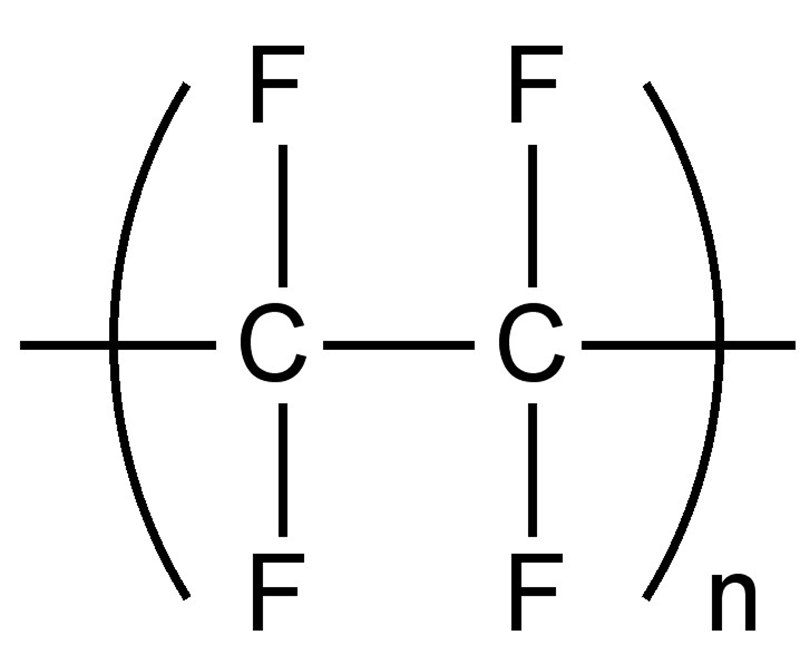
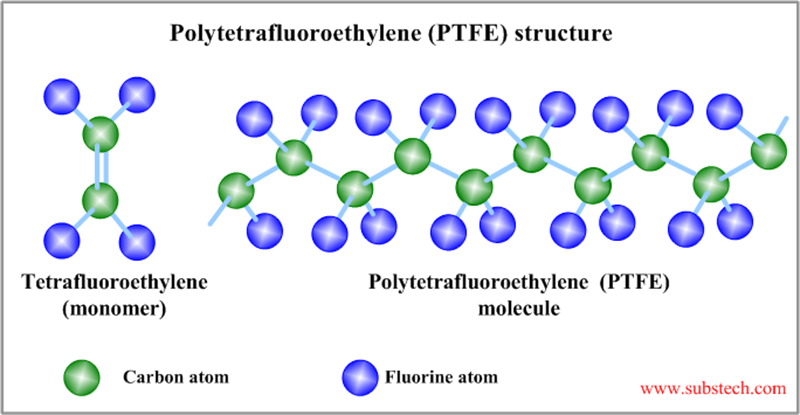
Before we go any further, we should explain this stuff. PTFE is essentially a product which we also know as Teflon, but stretched. Teflon, as it is now widely understood, is a brand name for a substance that is very slippery and non-reactive. It coats pots and pans, and often politicians. If you work out how to take PTFE and stretch it, then it will form a tape, the sort of thing plumbers use in tap joints to stop them from leaking. Stretch that tape sideways and it forms an expanded version – like a wide strip of Teflon. It keeps many of its properties but adds some new ones – it’s now full of about 3 billion tiny holes per square centimetre, but they are about 1/20,000 the size of a water droplet. So liquid water can’t get through, but water vapour molecules, which are much smaller, can. For those who can remember fourth-form chemistry, it’s a long chain (poly) with four (tetra) atoms of fluorine (fluoro) hanging off two carbon atoms with two hydrogen atoms attached to each (ethylene).

You can find a more comprehensive description of it here.

The almost magical properties of this membrane make it sought after and suitable for a number of uses – we all know it from its use in clothing, where the ePTFE is the core of a layered set of fabric which is waterproof yet breathable, fantastic for the outdoors. It’s also used in the medical industry – it turns out that human body tissue can grow through it, effectively making it a scaffold for the body – and for protecting old manuscripts. But its most valuable feature today is probably its name. Gore-Tex is a trademarked brand of W. L. Gore & Associates Inc, whose founder, one Wilbert Gore, came up with a process for creating ePTFE in 1969. You’ll note that was three years after our Cropper had invented his machine to do the same thing – so how come we aren’t all wearing Cropper-Tex?

It’s clear and undisputed that Cropper made his machine, and the first ePTFE tape, three years before Gore did. But Cropper didn’t patent his machine or his process; instead he decided to try to keep his method a secret. In some ways, that’s a valid decision – when an inventor comes up with an idea, they can choose a number of ways to protect it. A patent means that the world gets to find out all about the idea, but that the inventor has a 20-year head start on commercialising its use. A trade secret means that no one gets to find out the secret behind the invention, and the inventor can do whatever they want with it for as long as they can keep it a secret. Coca-Cola is probably the most famous example of a product that remains a trade secret – if you can find out the recipe you are free to make it yourself.

Looking back, Cropper says that if he knew then what he knows now, he would have taken out a patent, but he was under the (mistaken) belief that he couldn’t patent a process. So instead, he manufactured the machines and asked customers to keep its process secret. It was a unique machine, producing better quality, softer Teflon tape than anyone thought possible. In fact Cropper believes a UK company attempted industrial espionage – sending someone to work for him to find out all about its manufacture and methods.

In 1968, Cropper sold one of his machines to a US company – the Budd Company. He contractually bound them to secrecy, but the folks at Budd consulted with a third party about how they might make Cropper’s machine more effective, and there is some suggestion that secrets were leaked.

Not making the same mistake, in the early 1970s Gore filed for a patent for his process and the product, and it was granted. He set about commercialising and marketing Gore-Tex and it quickly became clear it was going to be a big money spinner. The US Army – and your dad – had been hunting for a lightweight, waterproof, breathable material for years.

In 1979, Gore found out that another company (Garlock) had been using the Cropper-invented machine to churn out an alternative product to Gore-Tex, and sued them for breach of patent. Garlock, using Budd’s machine and Cropper’s invention, defended the suit, claiming that Cropper was the original inventor of the ePTFE process so they had a right to make it. The US courts originally sided with Budd and Cropper, saying it was clear that the process was first created by Cropper. However, with so much at stake and a legal case to make, Gore appealed the decision, and the US Court of Appeals, after much debate, many expert witnesses and an examination of the facts, overturned the original finding. They essentially found that because Cropper had kept his invention a secret, he had no rights when someone else created their version of the product. In fact, by continuing to create the alternative product, Garlock were now infringing on Gore’s patent, and they were forced to stop. Gore was legally recognised as the inventor of ePTFE, and went on to win awards in recognition of ‘his invention’. Cropper kept on working, among other things making parts for Fisher & Paykel and inventing a new type of macadamia nutcracker, but he can’t help wondering what might have happened if he’d known a little more about patent law at the time.

You might call foul here, and try to make an argument that Cropper was hard done by – perhaps he was, and New Zealand missed out on the multibillion dollar industry that Gore-Tex became. Fundamentally, though, it’s a lesson that while creating the original invention is important, equally important is how you set about commercialising and protecting your idea. Without careful consideration of the right approach, you too might come a Cropper.
04.25 Stretch Sensors — Ben O'Brien
Ben O'Brien

Stretch Sensors

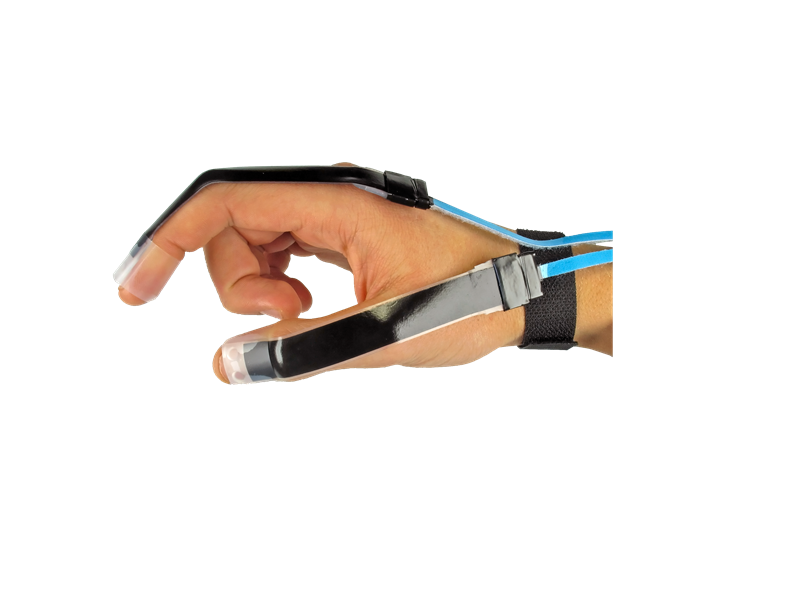
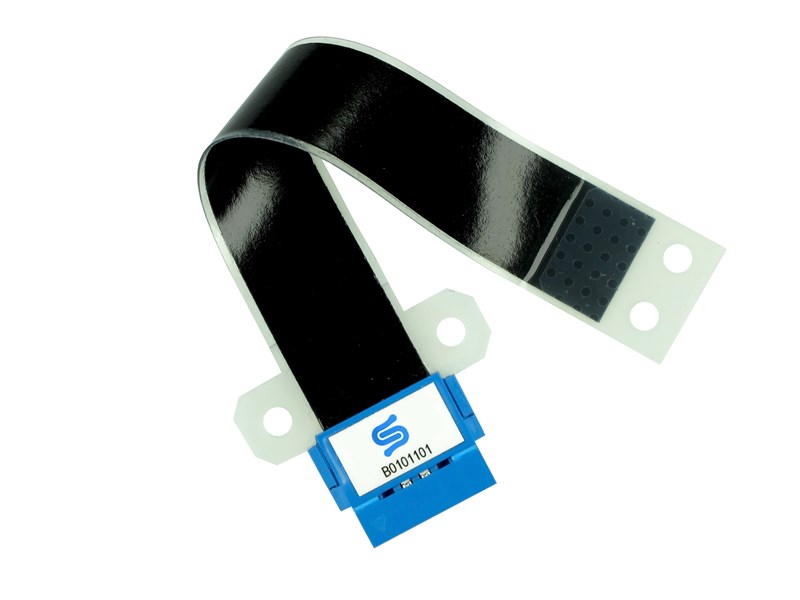
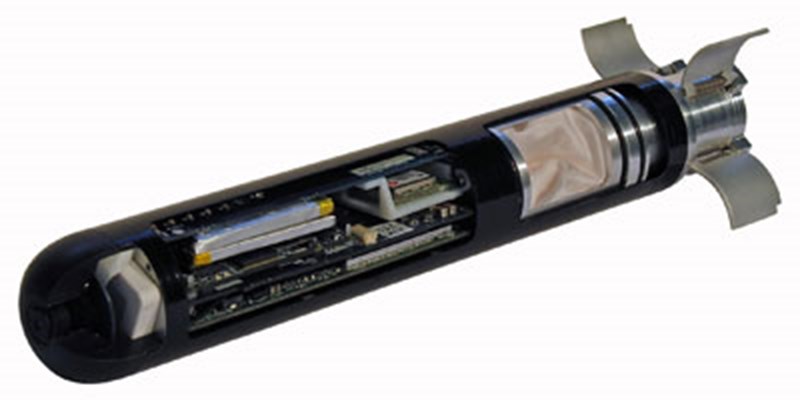
They are attached to a small battery and an electronics board that transmits the amount of stretch in the band by Bluetooth to a smartphone app where it can be read. Stick one to the back of your finger. When you bend it, the sensor stretches and reports the amount of stretch to the app.
StretchSense didn't invent the flexible capacitor technology, nor the battery, nor the smartphone - but in putting them together and developing the patented algorithms to extract the data from the sensors, they've created a world's first simple, comfortable soft sensor. It could have a million uses. Filmmakers can use them to capture and animate precise 3D movements of hands and other body parts. Hands are difficult with current camera-and-dot technology because the fingers obscure each other.
In human-computer interaction, gestures captured with the sensors sewn into a glove, for example, could be used to control a computer in a more complex and intuitive way than a mouse can now. And athletes and doctors working in rehab can use the sensors to precisely monitor the movement of joints.

04.26 Rocket Lab — Peter Beck
Peter Beck

Rocket Lab

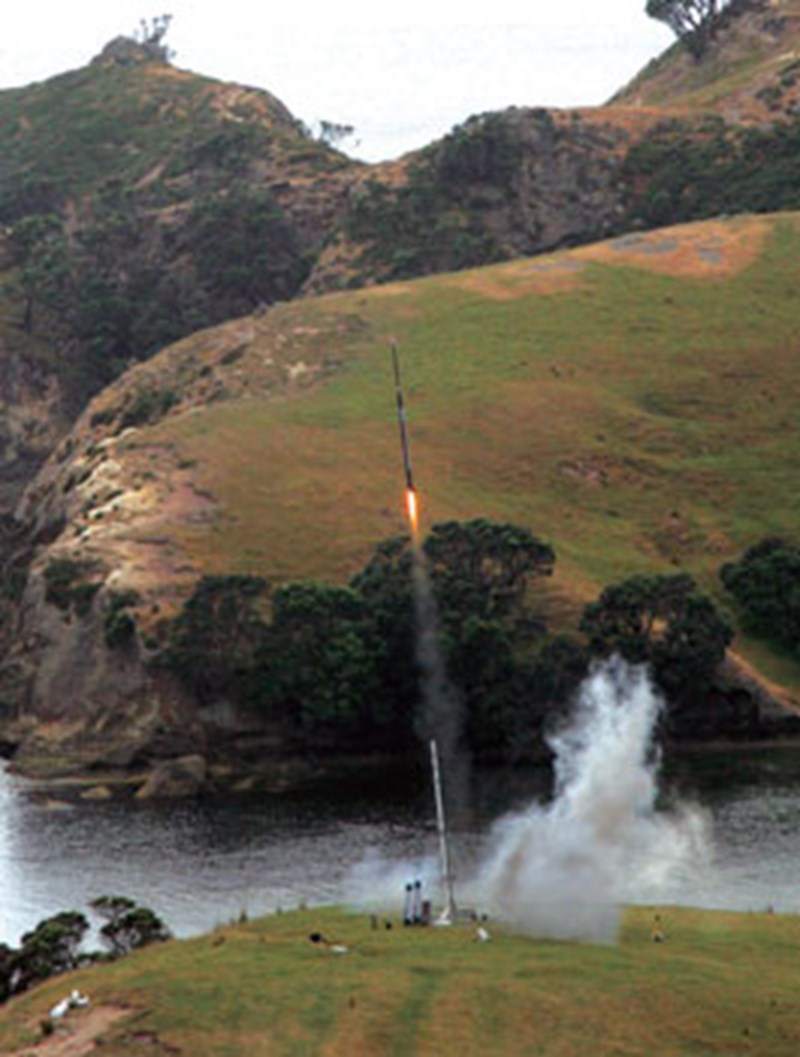
Rocket Lab are based in Auckland. CEO Peter Beck is an engineer with no university degree who's learned rocket science by doing it.

At the age of 18, Beck left his home town of Invercargill to work for Fisher and Paykel in Dunedin. He set up Rocket Lab in 2006 with funding from rocket-mad angel investor Mark Rocket (not the name he was born with). Now, at the age of 36 Beck already has a long history of innovation, multiple awards, and a good reputation in the aerospace world. Since the first launch Rocket Lab have begun to make world-first technologies.

In late 2012 they demonstrated a rocket to representatives from their US military clients. The rocket runs on a 'VLM' (Viscous Liquid Monopropellant) fuel which is thrixotropic - neither a solid nor a liquid. It has all the best properties of both of those sorts of fuel and if successful will be a major advance in rocket science.

04.27 Sonic Electrospinning — Revolution Fibres
Revolution Fibres

Sonic Electrospinning

Nanofibres are simply fibres 5000 times thinner than a human hair.

They can be spun from organic proteins (Revolution Fibres use collagen derived from waste fish skins) and the gossamer fabrics they make are the subject of intense global research. Thousands of scientists around the world are coming up with ways to use them: human tissue engineering, textiles with special properties, protective materials, batteries and solar cells, acoustics, composite reinforcement for super-light construction, filters and absorbent materials. Electrospinning around the world is very much on the lab scale, using needles and producing a fraction of a gram per hour. No good for commercial production.

Revolution Fibres have invented a needle-less system.

04.28 Reusable Envelope — Stephen Smythe
Stephen Smythe

Reusable Envelope

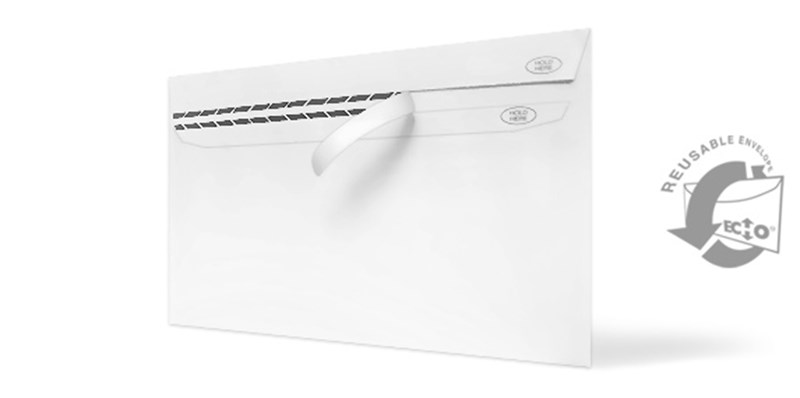
Smythe retired from his architecture practice at the end of 1997, and with time on his hands an idea that had been germinating in his head sprouted shoots. Remembering how his father, effected by the Great Depression, had reused envelopes by removing the stamps and crossing out the address, then resealing them with tape or staples, Smythe decided to invent a reusable envelope. By 1999 he had a design and a patent.

It was a genuine first. There are two envelope manufacturers in New Zealand. Croxley didn't want to know but Candida were interested and luckily they could make Smythe's design on their existing machines.

The first crowd to give the envelopes a go was the North Shore City Council who sent bills out using them

04.29 Flower vending machine — Andrew McAlpine
Andrew McAlpine

Flower vending machine

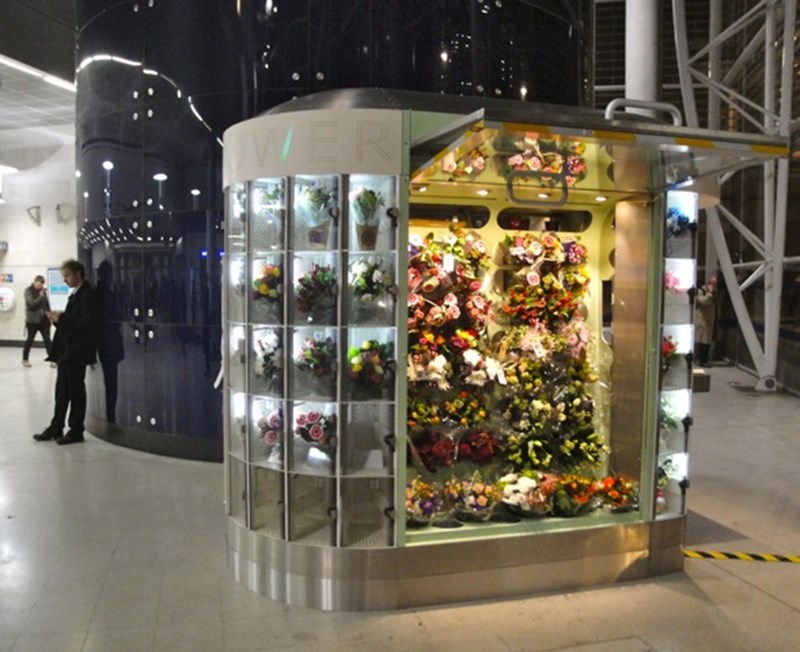
If the stamp vending machine is one of New Zealand's oldest and most successful inventions, the flower vending machine is one of our newest. Whether it is successful, only time will tell. Famous Kiwi film production designer Andrew McAlpine (The Piano, Sid and Nancy, The Beach and more) has designed and built an unmanned kiosk that automatically vends specially crafted bouquets of flowers 24/7. Using the kiosk's screen you choose a bunch, pay by card then the door opens and you take your flowers. The first kiosk opened in Blackfriars metro station in London in 2013 and immediately all along the train route marriages improved.

04.30 Powdered Paint Pigments — Rachel Lacy
Rachel Lacy

Powdered Paint Pigments

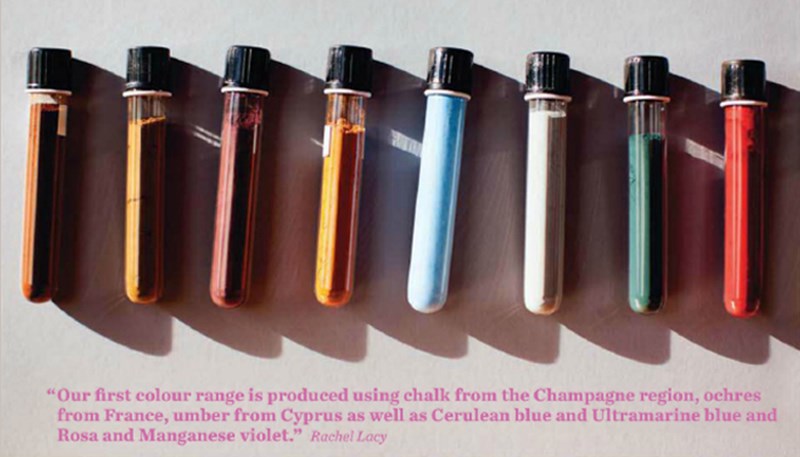
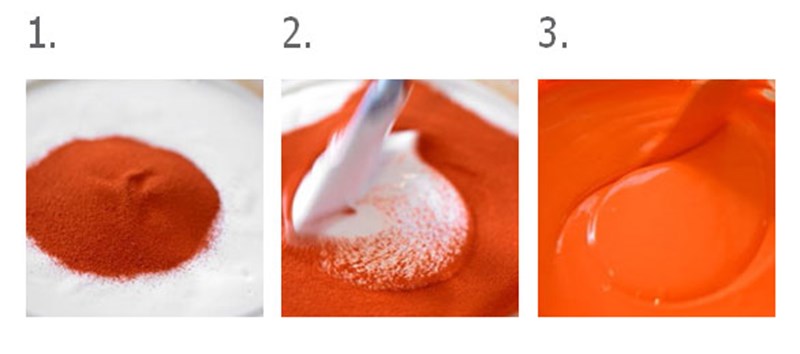
Her idea was simple: manufacture powdered colours that can be mixed with a base easily and at home.

The world is full of beautiful colours. Designers such as Ralph Lauren and even architects like Le Corbusier come up with pallets of colours. But they aren't available to everyday consumers with current technology. They can't necessarily be tinted in your local paint shop, and paint is very hard to order from overseas. The way we retail paint hasn't changed since the introduction of the tinting wheel into the paint shops in the 1960s. It's messy, inaccurate and you can never get exactly the same colour twice. Lacy's vision was a world of powdered colours available online to everybody, easily posted around the world. You can buy a base at the paint shop, then order whatever pigments you like from anywhere.

The equally important corollary of her vision was that colour designers around the world (Lacy's future partners) will have access to a global market for their colour collections - and all through a new way of delivering them.

04.31 Side opening ratchet — Barry Armour
Barry Armour

Side opening ratchet

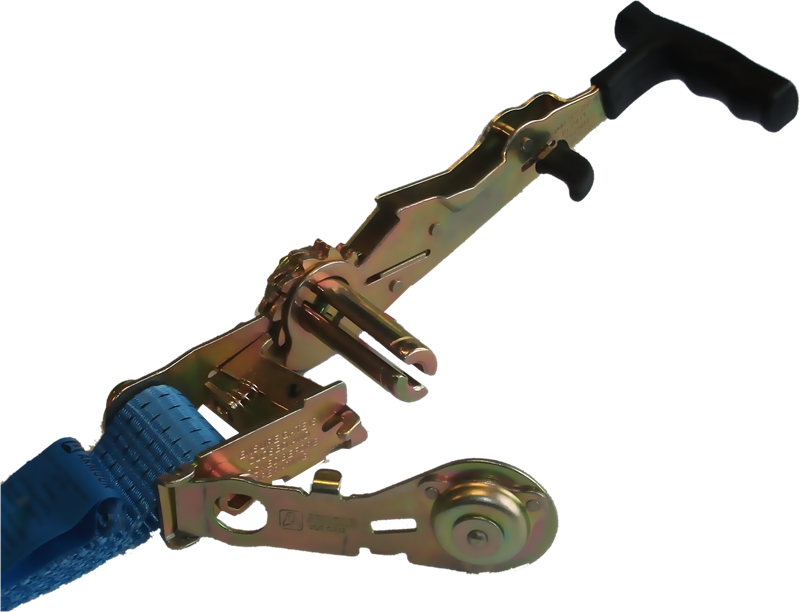
The Armour Side-Loading Tie Down Ratchet has a hinged side which opens, allowing you to simply loop the strap into the mechanism wherever on its length suits you, then swing the side closed, and ratchet away. Attaching straps now takes half the time – a very big-deal in the time-critical transport industry, and a huge improvement to a global product.

Armour says “You can probably blame my father-in-law” who would borrow Barry’s ratchet tie-downs but couldn't be bothered unthreading them, returning them tangled up in the back of the ute. Frustrated, it didn't take Barry long to sketch out the solution.

Want the full collection?

All 202 inventions live in the book.

No.8 Re-Wired by David Downs & Jon Bridges, published by Penguin. The complete, illustrated treasury of New Zealand ingenuity.