Category 05 of 08

Food & Household

The pavlova. Instant coffee. Manuka honey. The two-drawer dishwasher. The everyday inventions that started in Kiwi kitchens and ended up on tables and benchtops around the globe.

20 inventions documented — each one inline below

05.01 Freezer vacuum pump — Norma McCullough
Norma McCullough

Freezer vacuum pump

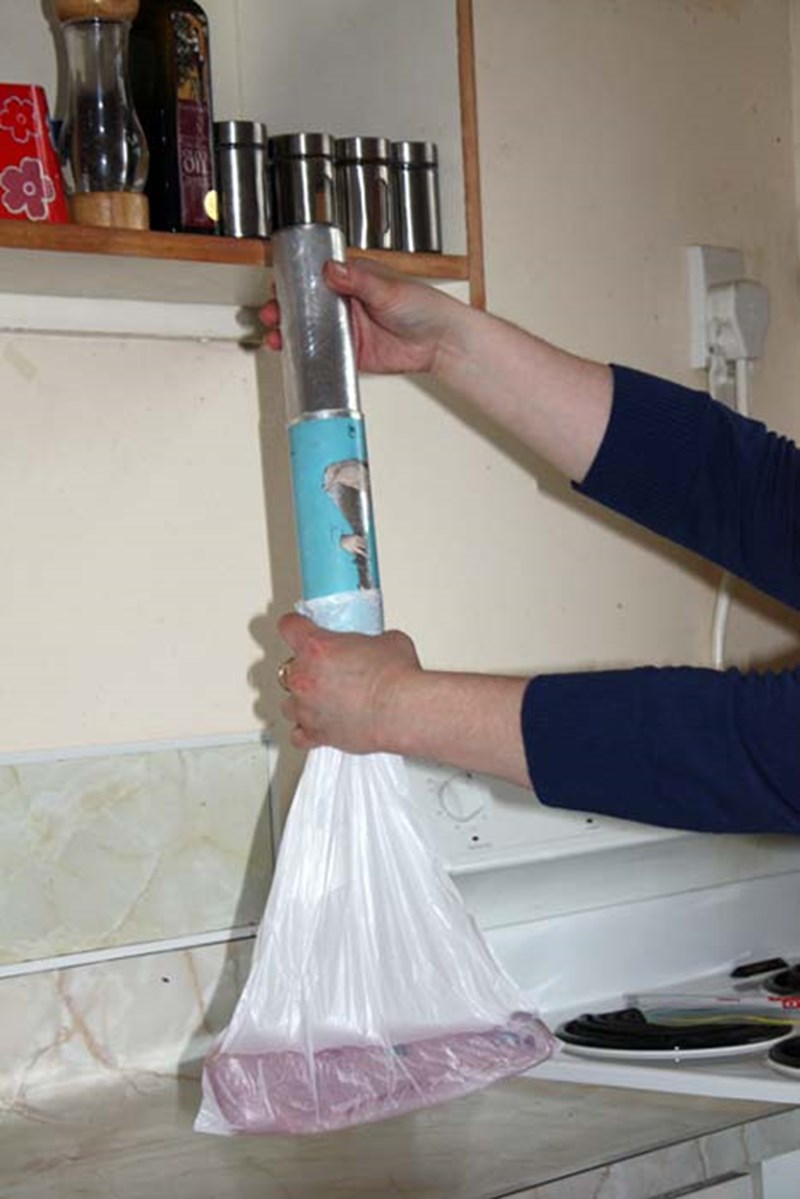
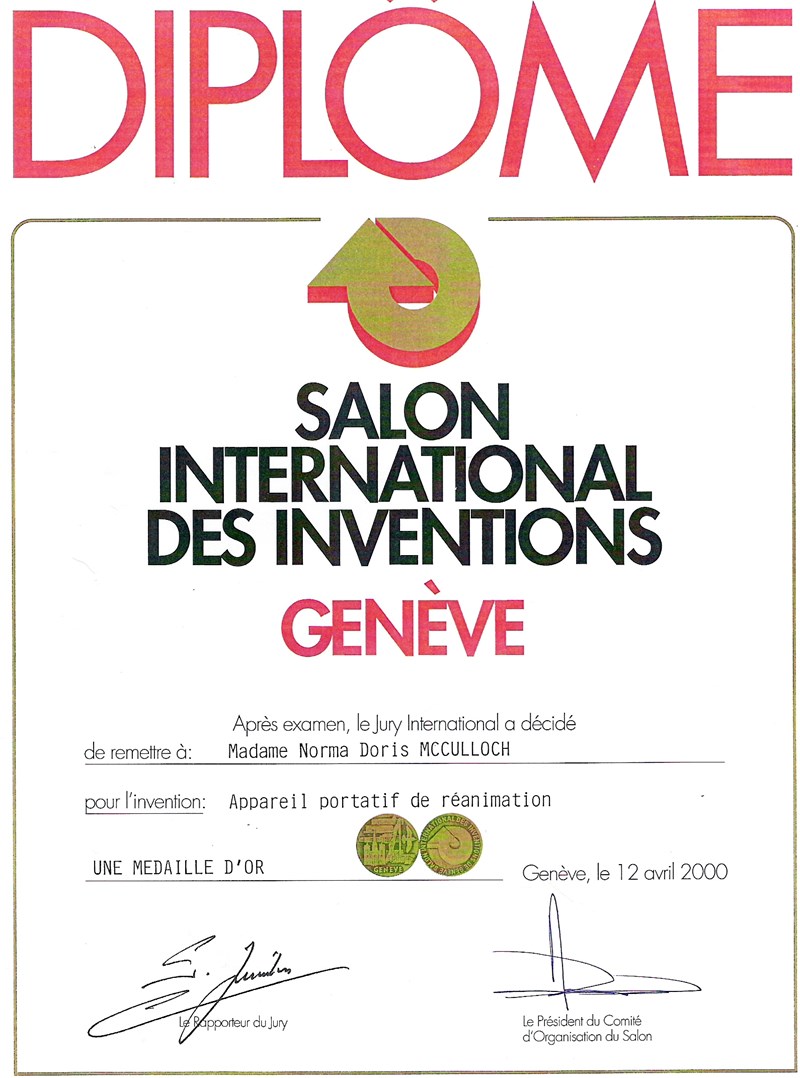
In 1968, Rongotea 'home economist' - that's housewife to you and me - Norma McCulloch was searching for a better way to avoid freezer burn. Not for herself you understand, but for her silver beet, lamb shanks, cabbages and kings.

The basic theory is that food keeps much better in the freezer if all the air has been sucked out of the surrounding bag first. These days, all trendy foodies with a sous vide device know that, but in the 1970s, this was news.

Previously, 'housewives' had been squeezing the air out of the bags by hand, or even, heaven forbid, sucking it out with a straw - a practice which, according to the admittedly self-interested McCulloch Industries, is 'warned against' by 'Health Authorities' and potentially dangerous.

The freezer vacuum pump was born.

05.02 Thermette — John Hart
John Hart

Thermette

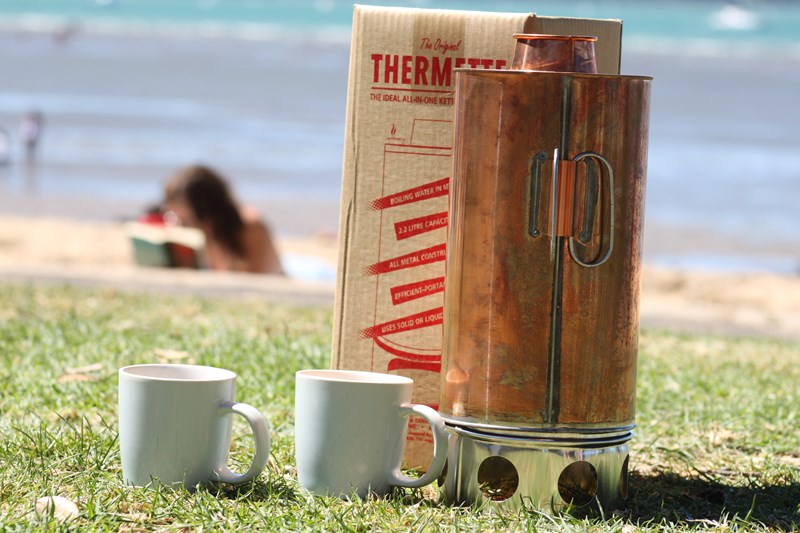
What makes the Thermette brilliant is that it is perfect. In the 85 years since it was invented, no improvements have been made on it. It has been manufactured under the same patent continuously for that whole time and it remains, as it was, the quickest, most efficient way to boil water in the outdoors.

The inventor’s name was John Ashley Hart (b. 1887, d. 1964) and he was originally, like many great things, from the Manawatu. Most of Hart’s 32 other patents are now forgotten, but the Thermette, invented in 1929, caught on as standard equipment for New Zealand troops during World War II. The army approached Hart to ask if he would waive the patent to help in the war effort, and he agreed. The small round scorch marks it left on the earth at first confused the German troops all over North Africa, where the Thermette gained its army nickname, the ‘Benghazi Boiler’. Soon everyone knew the scorch marks were a sure sign that Kiwis had been there.

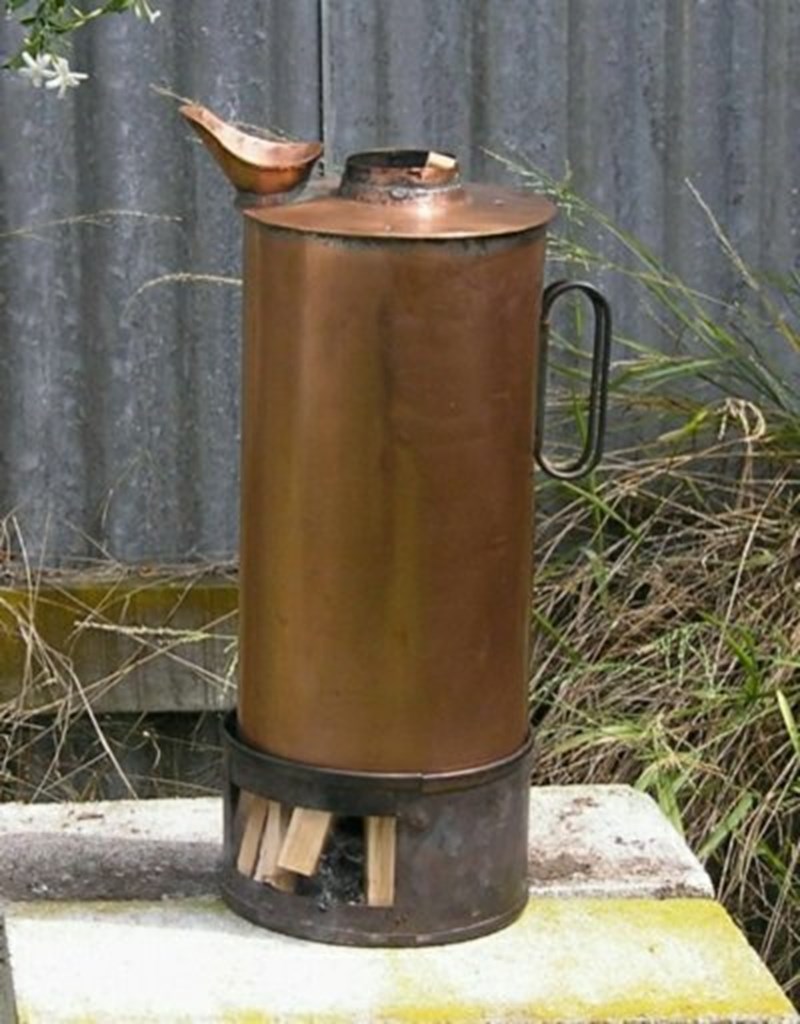
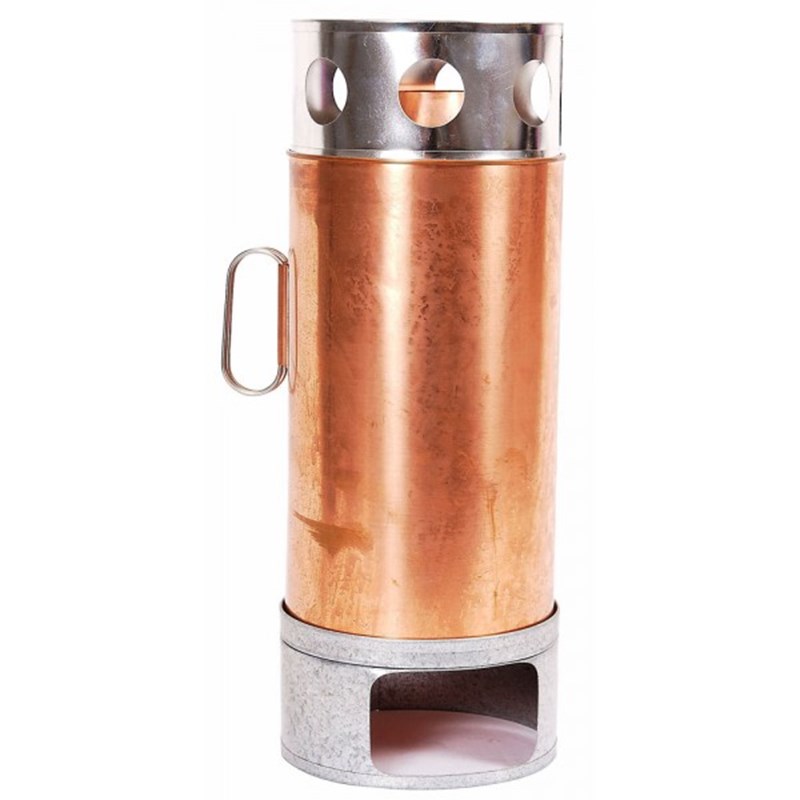
The Thermette can boil enough water for 12 cups of tea in just five minutes, using any old rubbish as fuel. ‘The stronger the wind, the better it boils,’ was one of Hart’s early slogans, because wind sucks air up through the conical chimney inside the boiler from the base where the fire is lit. The sucking action makes the fire roar, and the heat is transferred not only to the base of the Thermette, but through the heated air rushing up the internal chimney. No heat is wasted, and that is why the Thermette is so efficient. Its efficiency makes it an environmentally sound product, and it uses no pollutant gas, petrochemicals or hydrocarbons.

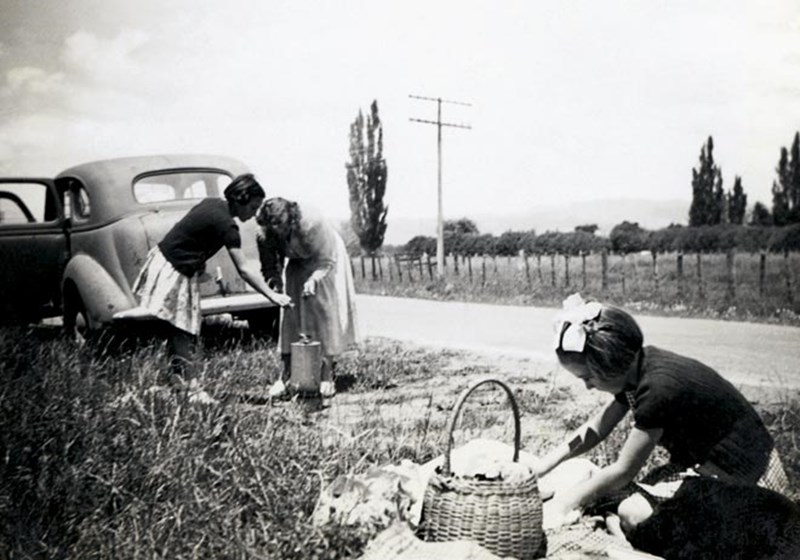
The original Thermette was first sold in 1931 in a blue, green and orange tin, or in tinned copper if you had a few extra bob. MS Services Ltd in Auckland is still making them to the same design. It used to be that any council workers, postal workers, and telegraph men on the side of the road could be seen setting up their Thermette, but they have largely disappeared from our roadsides. At the height of their popularity tens of thousands were made a year; now it is just a few thousand, but Trevor Tull at MS Services is hopeful for a resurgence in popularity. They are still proudly manufactured in New Zealand – the Thermette name and brand is very much a Kiwi tradition.

Even the army is still using them – in fact the Thermette used to have an official UN equipment number. They aren’t as widespread as they once were, because some modern armed vehicles (e.g. the New Zealand Army’s light armoured vehicles or LAVs) have built-in water heaters, but the Armoured Corps used to routinely have one or two Thermettes in each vehicle. Boiling a Thermette used to be a great social event, attracting all the other military personnel in the area for a cuppa. Solders would fill a cut-down shell case with petrol and drop a match in to light it – about a cup will be enough to boil a standard-issue Thermette. However, this method did cause problems, particularly when it was necessary to boil several in a row – the unwary trooper filling a hot shell case for the first time might not notice the remnants of the previous fuel still boiling and consequently would be engulfed in flames as the vapour ignited. This looked particularly spectacular early in the morning or late in the evening when the air was still, but as Brigadier Sean Trengrove, director general of the Army Reserves, remembers it, the only injuries were to pride and eyebrows. The cuppa escaped unscathed.

Among other fans of the Thermette we can number Sam Neill, Kiwi actor, who remembers it from his youth in Central Otago. ‘I learned how to stay downwind of the aromatic manuka-fuelled Thermette to avoid the sandflies.’

The Thermette is a modest but brilliant invention, still given regularly as gifts and used fondly on family picnics, although driftwood is recommended as fuel, rather than the petrol method the army used! It’s a brilliant piece of engineering – one of our real gifts to the world. Put the Thermette on and have a cuppa.

05.03 Two Drawer Dishwasher — Fisher & Paykel
Fisher & Paykel

Two Drawer Dishwasher

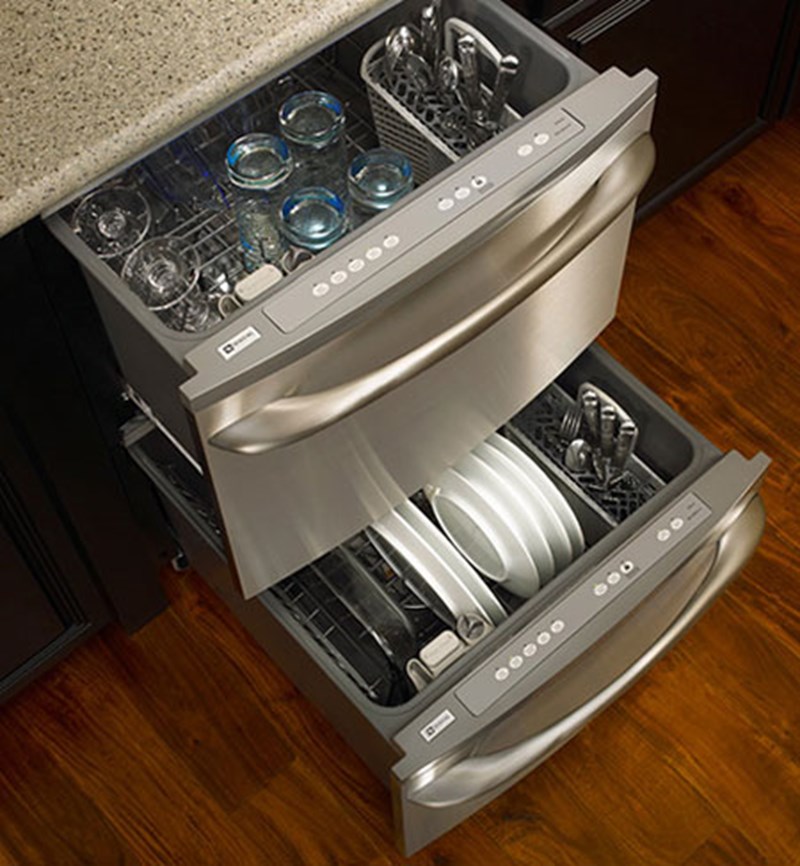
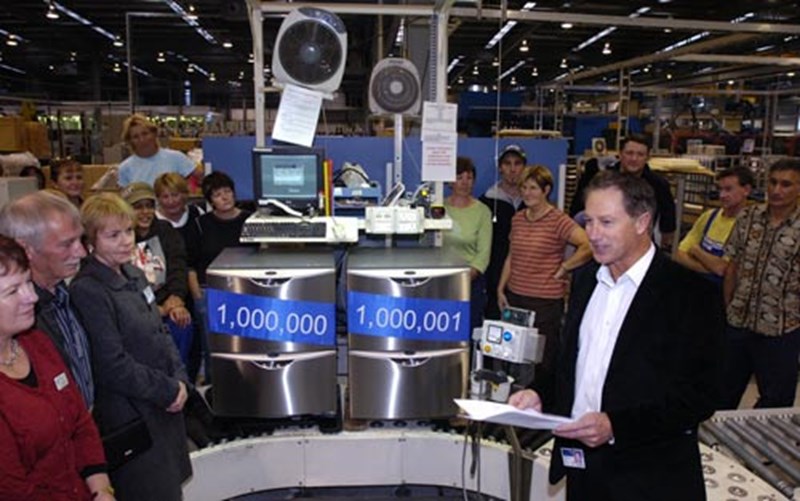
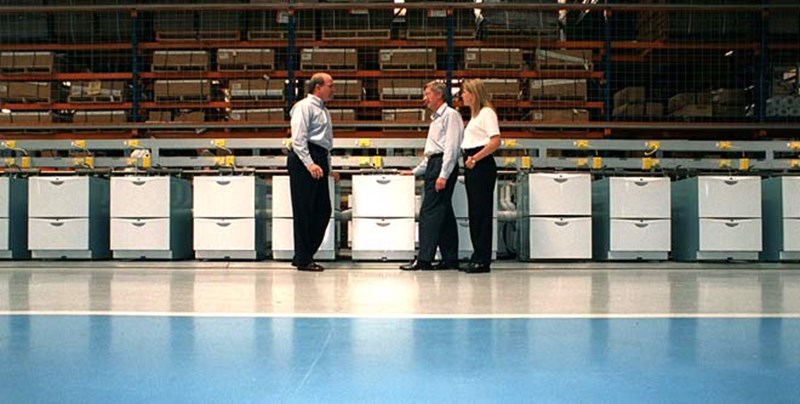
A dishwasher with drawers, I hear you exclaim, why? Well, why not? It's a simple extension to the 'standard' dishwasher, but on reflection offers a number of advantages - one can separate dishes, only put one on if that's all that's needed, and the two drawers can be arranged nicely in your designer kitchen.

Apparently the technology is already very popular with the elderly in the US, who, it seems, are very reluctant to start the dishwasher when it's only half full.

05.04 Kiwistar — Dr David Beach
Dr David Beach

Kiwistar

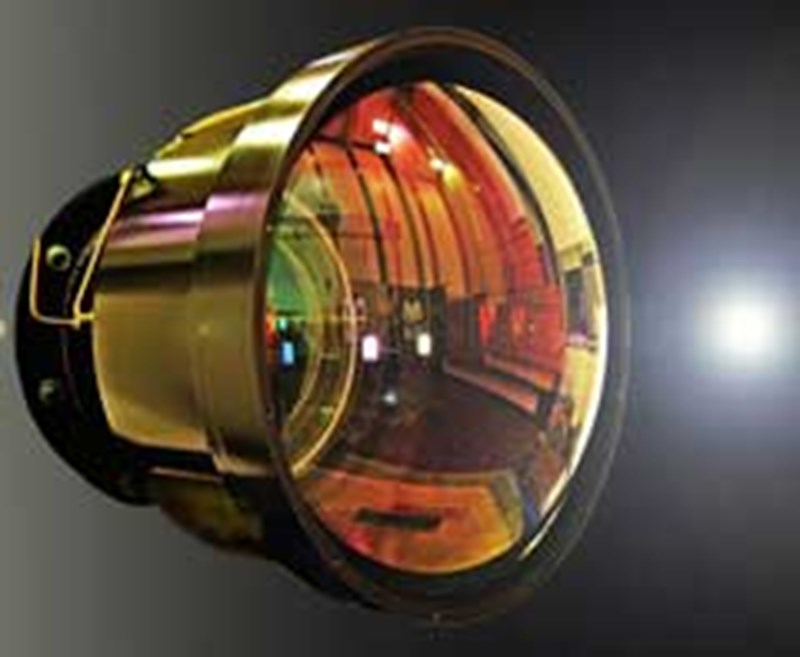
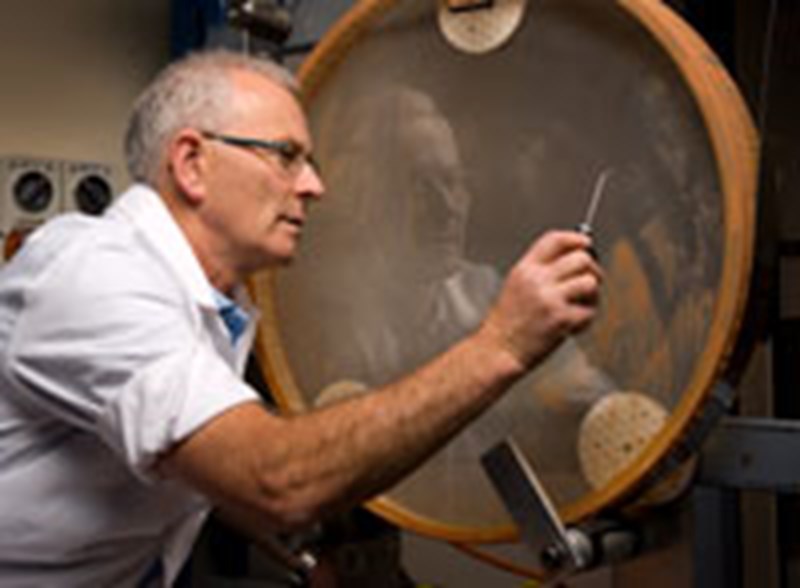
The KiwiStar system was a new type of ultra-fast camera lens with high resolution, broad spectral bandpass and high scalability (100mm to greater than 2 meters), which has no low-order aberrations. In terms you and I can understand, it's a very high quality lens that can take crystal clear pictures over a long distance in low light - the best ever telescopic camera lens.

Kiwistar had applications in many areas, from astronomy to surveillance - the Kiwistar lens could photograph a car numberplate from a kilometre away at night, making it an ideal tool for police and the military. The nuclear facility at Los Alamos in the USA immediately bought one to make images of a core of a nuclear weapon.

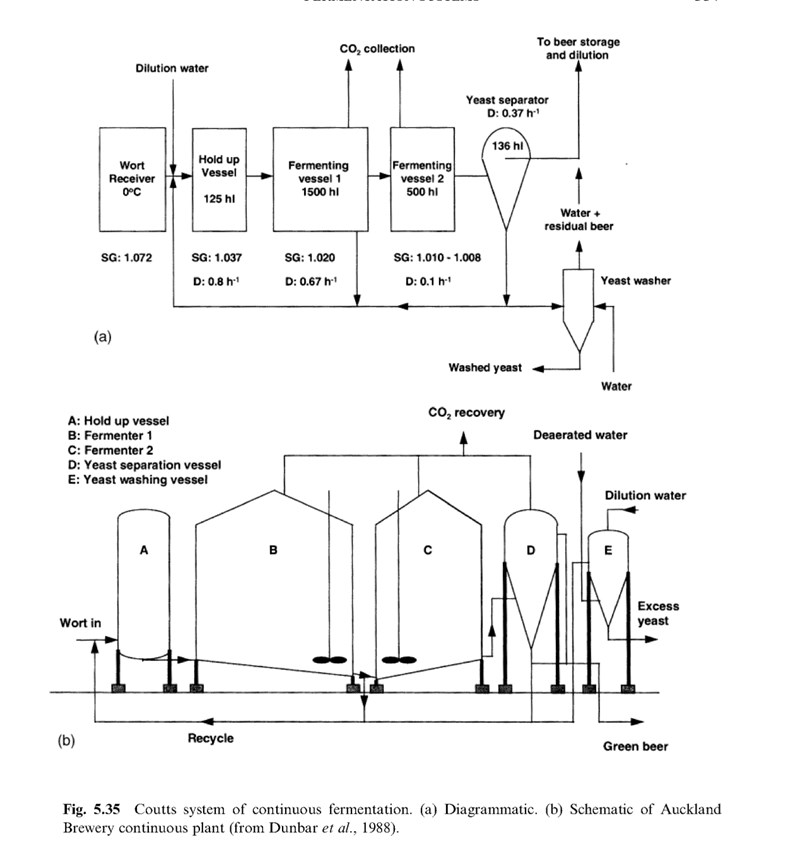
05.05 Continuous fermentation system — Morton Coutts
Morton Coutts

Continuous fermentation system

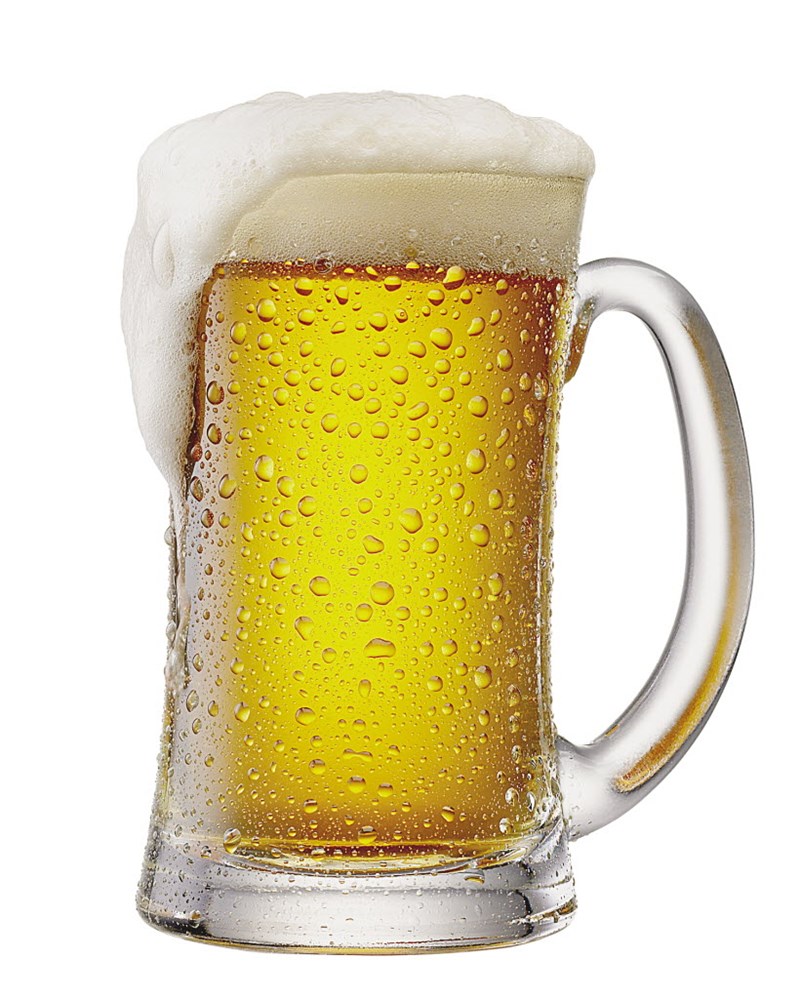
For the millions of years before Morton Coutts (b. 1904, d. 2004) was alive, beer was brewed in pretty much the same standard way. The basic method was developed by the Egyptians, who in turn taught the Romans. They, in the process of conquering the rest of Europe, also brought the gift of beer - and good roads, apparently.

To make beer, Barley is soaked in water and allowed to sprout, then the sprouting process is stopped and the result is called 'Malt'. This malt is then crushed and mixed with hot water, and the resulting liquid taken away and renamed the 'wort'. Hops are added and the whole mess has yeast added to it. The yeast grows and grows until there is 5 times as much as there was initially. The fermentation process starts, converting sugars into alcohol. This carries on for a few days, and then the beer is aged for weeks or months before being bottled, and shipped to pubs, where you buy it, drink a lot of it and wake up with a sore head.

There's nothing wrong with this process, except that it takes a while and in the 1950s and 60s people were drinking more and more beer in New Zealand, and Coutts' employer, Dominion Breweries, was keen to quench their thirst.

05.06 Airtight tin lid — John Eustace
John Eustace

Airtight tin lid

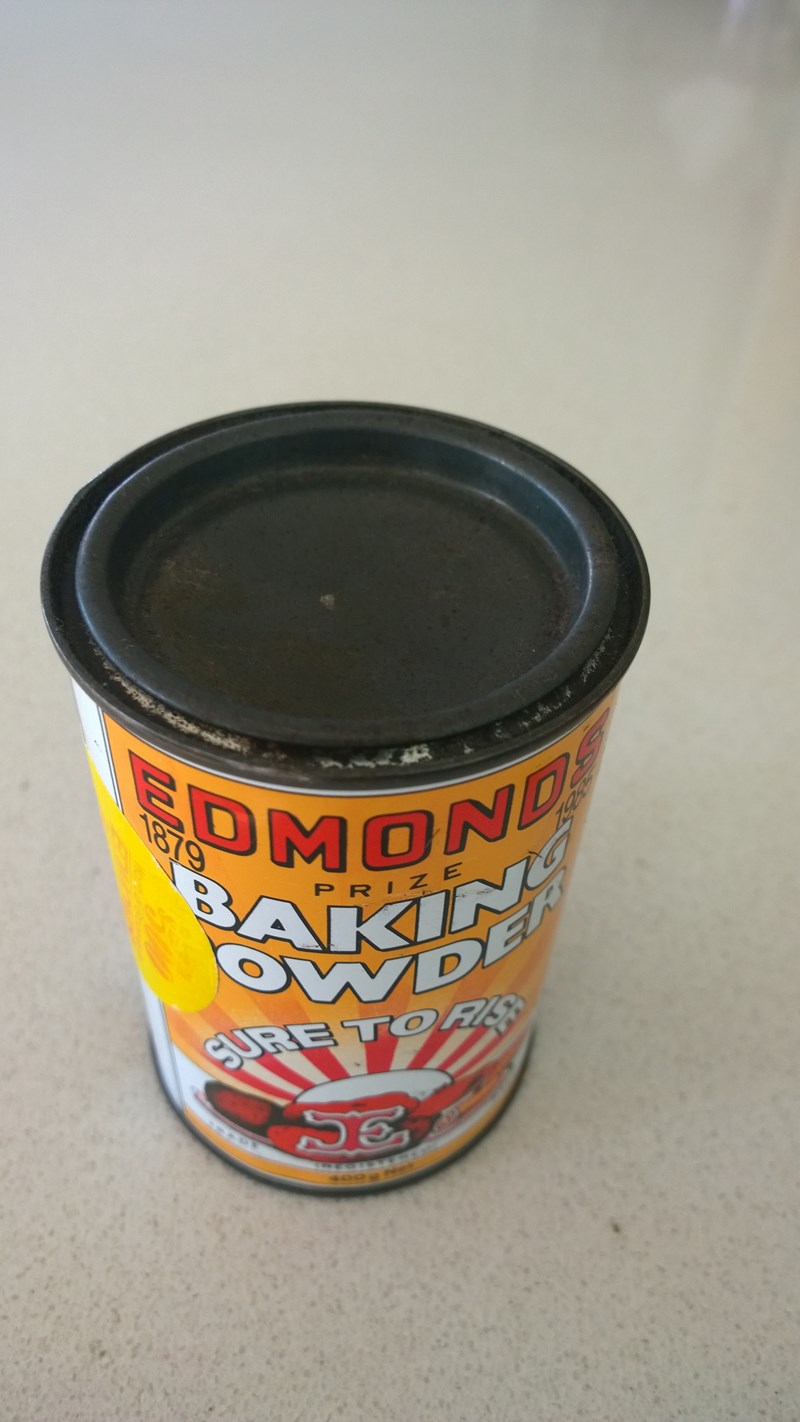
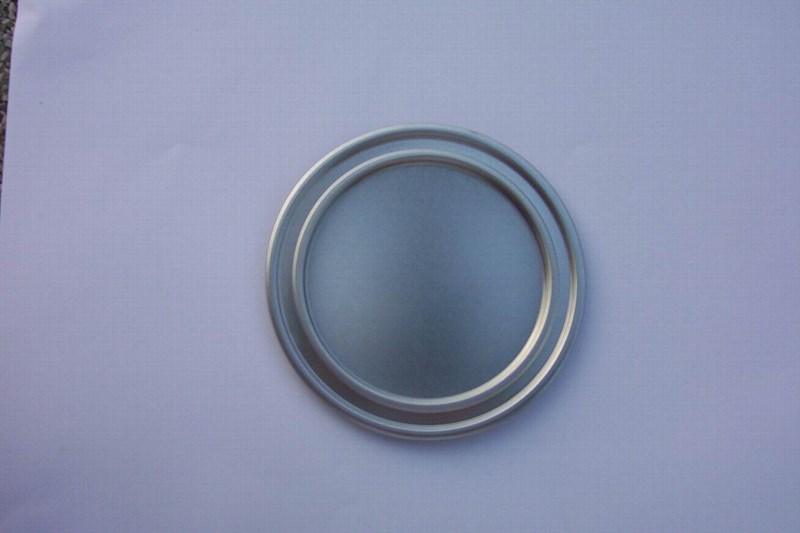
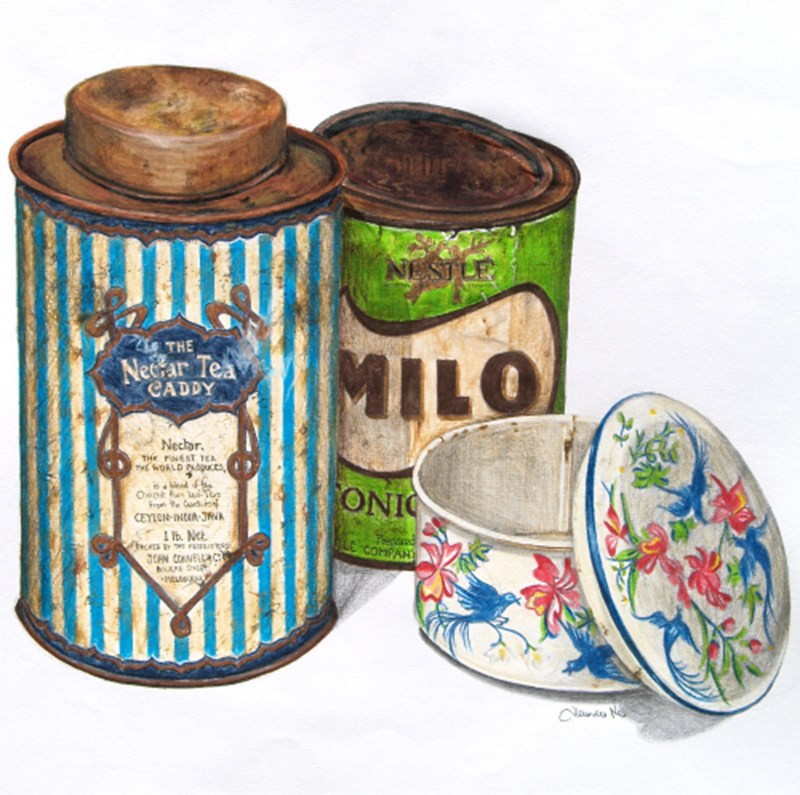
In 1884 Eustace had a small tin smithing business in Dunedin, manufacturing, among other things, lids for tins. Back then they were making slip-on lids, which are fine for many purposes, but are sadly lacking when it comes to any application where the contents of the tin need to be protected from the air, such as tins to hold foodstuffs. Eustace and his brother played around with a few ideas, and stuck upon the lid system we know today. Pleased with themselves, they started to manufacture the lids, and patented the idea. But here's the rub. They only patented it in New Zealand, and one of the quirks of the patent system is that you need to get a patent in each country you want protection from copy-cats.

To facilitate the manufacture of the lids, Eustace decided to get a 'die', or cut-out, made in England. The English were obviously very taken with Eustace's ideas, for not long after his dies were made and returned, the pair noticed that some of the paint they were getting from England had their lid design. They were legally unprotected, and could do nothing to stop a flood of companies in England from basically stealing their idea and making money from it.

05.07 Pavlova — Mrs McRae
Mrs McRae

Pavlova

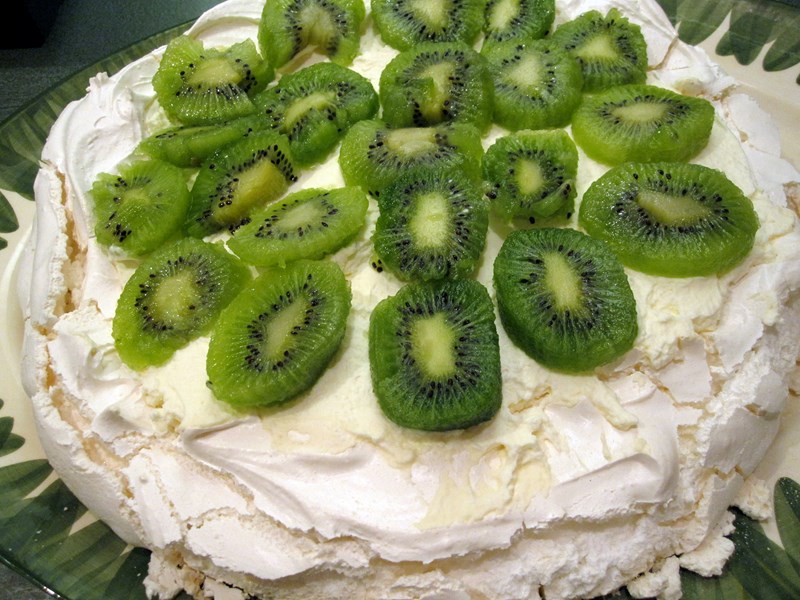
New Zealand and Australia share a friendly rivalry over many things; rugby, cricket, CER, GST . . . but there’s one major thing that we compete over that is no joke. This is deadly serious. Come the year 2101, when the War of the Tasman is over and the nuclear cloud over Australasia has dissipated, our great grandchildren will be wandering around the ashes of New Zealand and Australia thinking, ‘All this over a cream-covered meringue cake?’ Because if there’s one thing that would make us go to war with our trans-Tasman cousins, it’s over the right to say, ‘We invented the pavlova.’ With the desire to finally put this thorny issue to bed and avoid any unnecessary bloodshed, we examine the evidence, impartially and without bias, and unequivocally state that it was a Kiwi who invented the pav.

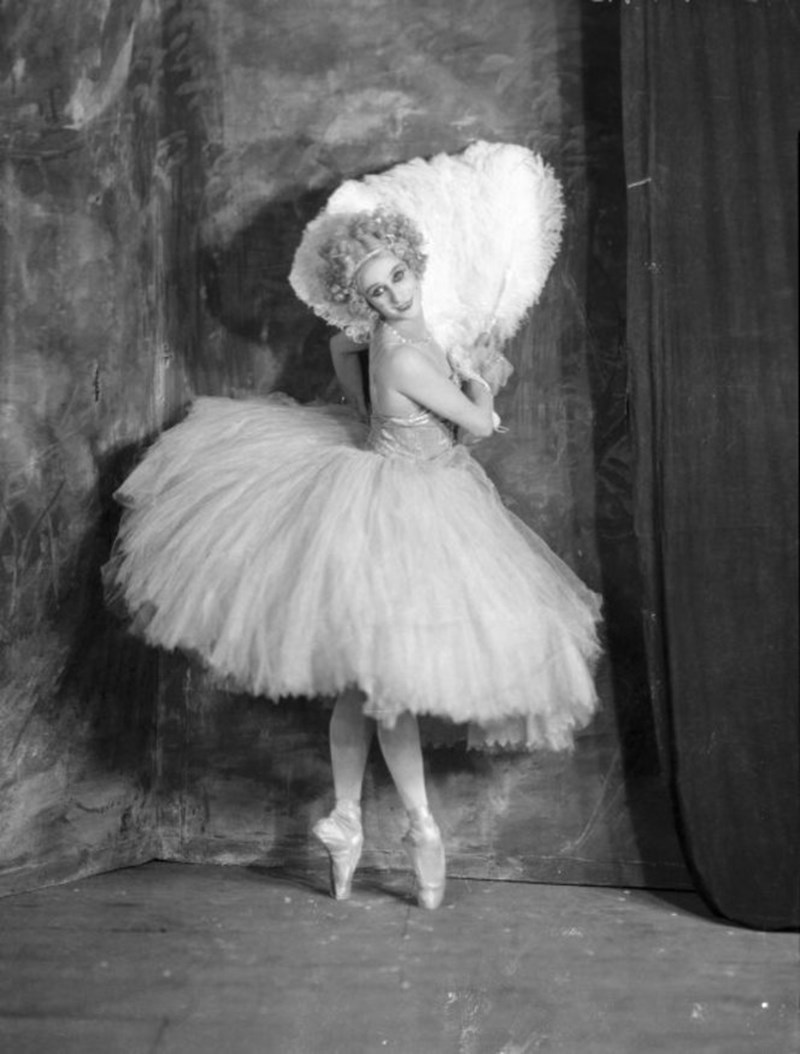
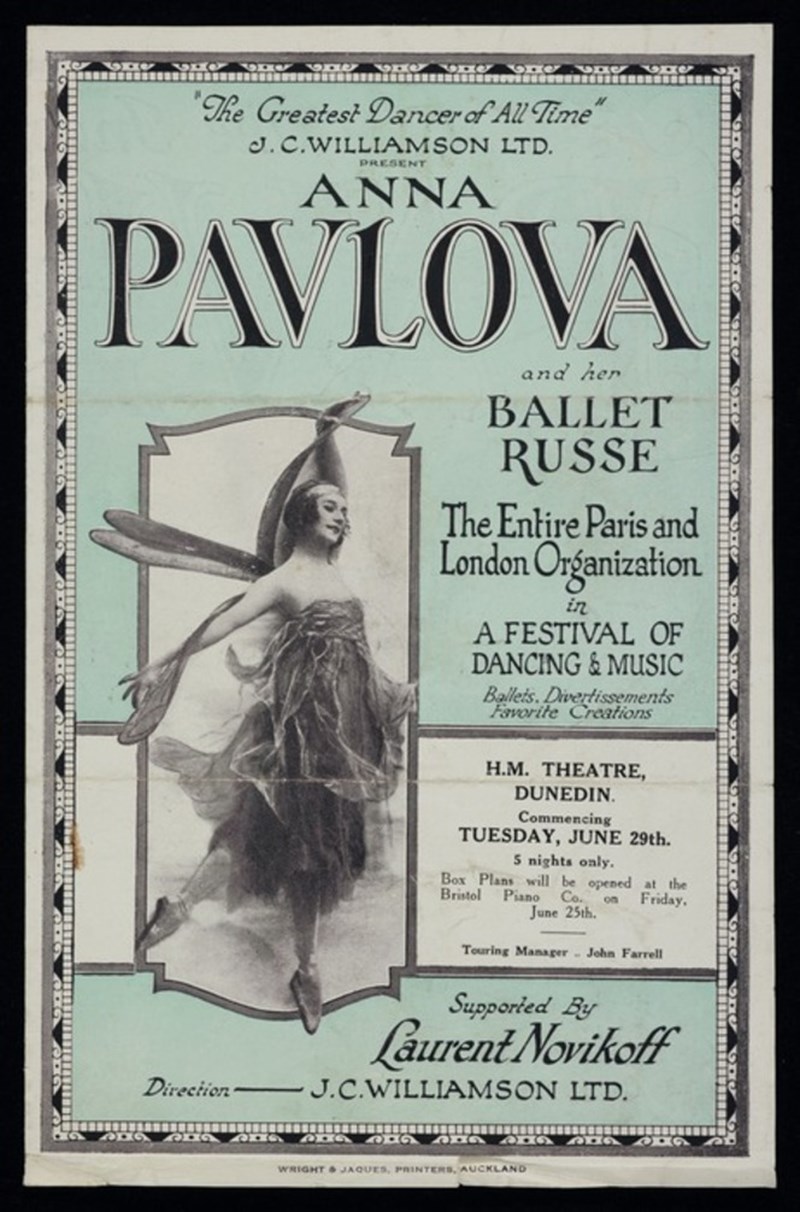
This much is clear and undisputed – in 1926 a Russian ballet dancer, Anna Pavlova, visited Australia and New Zealand. She danced with such grace and lightness as to inspire the inhabitants of both countries, even the cultureless Aussies (sorry, got a little less than impartial there for a moment, won’t happen again).

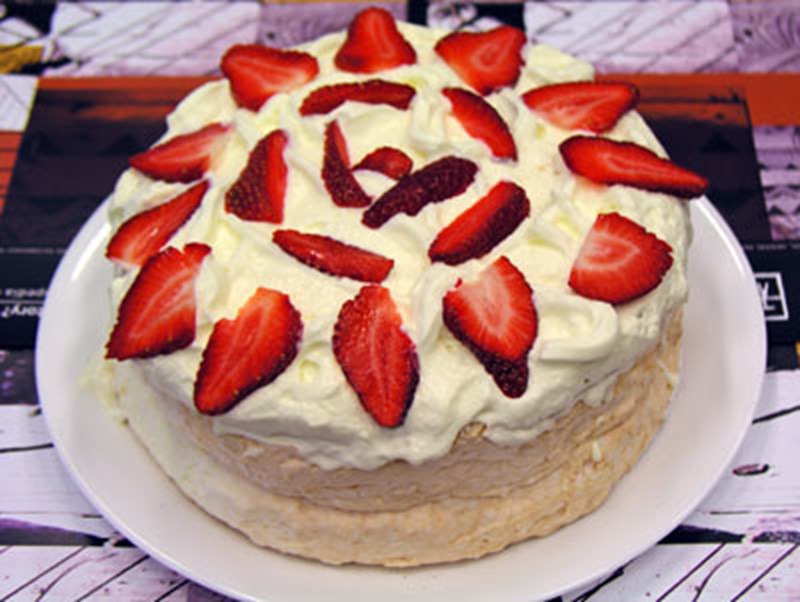
Another undisputed fact: There exists a cake made of meringue with a topping of cream and fruit (most properly kiwifruit, but we concede that passionfruit also works) that is also light and graceful. Said cake is popularly known as the ‘pavlova’.

Now here’s the thing – a) who invented the cake? b) who named it ‘pavlova’? Read on and be enlightened. Be warned, though, that the twists and turns of this ancient mystery may confuse and concern, and at times look bleak and dark, but in the end, we assure you, the side of goodness and right prevails.

In the early 1930s, Herbert (Bert) Sachse was the chef at the Esplanade Hotel in Perth. In 1934 he was asked by the manager to create a new delight for her favoured afternoon teas. He laboured and experimented for a month, and then, as was tradition, he presented the results at a meeting. The cake was a meringue, covered with cream and fruit. It is said that at the meeting, the manager remarked, ‘It is as light as Pavlova’ – and so the new cake was named. This story constitutes the core of the Australian claim to the cake.

But don’t despair, for not willing to let the matter end on this hearsay and heresy, many New Zealand researchers have searched tirelessly to restore the good name of the Kiwi cooks, and have uncovered two key pieces of evidence.

The National Library in Wellington has in its collection a cookery book, published in 1929 – a full five years before the purported cake presentation in Perth – which contains in it a recipe for ‘pavlova cakes’. So it may seem that the Kiwi claim is paramount? Not really, because although the ingredients are similar, the recipe describes the process for making three dozen small meringues, not the good old pav as we know it. Damn, our claim begins to look shaky.

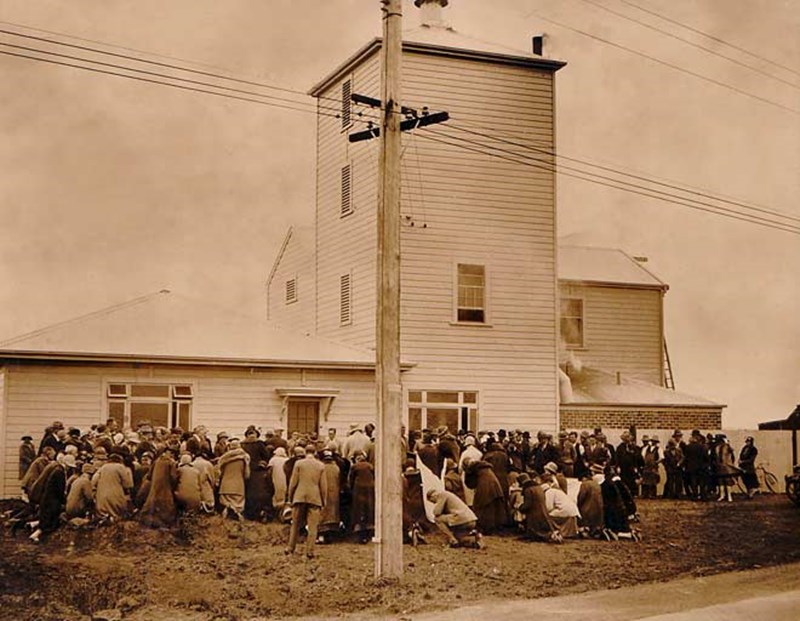
But not for long. In 1927 – eight long years earlier than Bert – the good ladies of the Terrace Congregational Church in Wellington published the second edition of ‘Terrace Tested Recipes’. In it was a recipe for meringue cake, sent in by a Mrs McRae – blessed be her name – which is exactly the same as the pavlova. Subsequently, similar recipes were published in other magazines in the early 1930s. And then, to put the kiwifruit on the cake, Bert Sachse himself admitted in a magazine article in 1977 that his creation was really an attempt to improve earlier recipes.

So for all intents and purposes, the inventor of the cake must surely be the mysterious Mrs McRae – but what about the naming of it? It looks like the Aussies may have the jump on us – although they didn’t invent the idea of naming cakes per se after Pavlova, it looks like it was they who christened the cake we know today. Interestingly, in a parallel piece of research, gastronomic historians have also recently proven that the lamington, that coconut-covered cake of controversy, was also a Kiwi invention with an Aussie name link. Originally called the ‘Wellington cake’, it was renamed for the English Lord Lamington, governor of Queensland, who visited New Zealand in 1895 and apparently loved the treat.

Those Aussies are always nicking our ideas . . . Now, Phar Lap on the other hand . . .
05.08 Hot cake — Paul Crowther
Paul Crowther

Hot cake

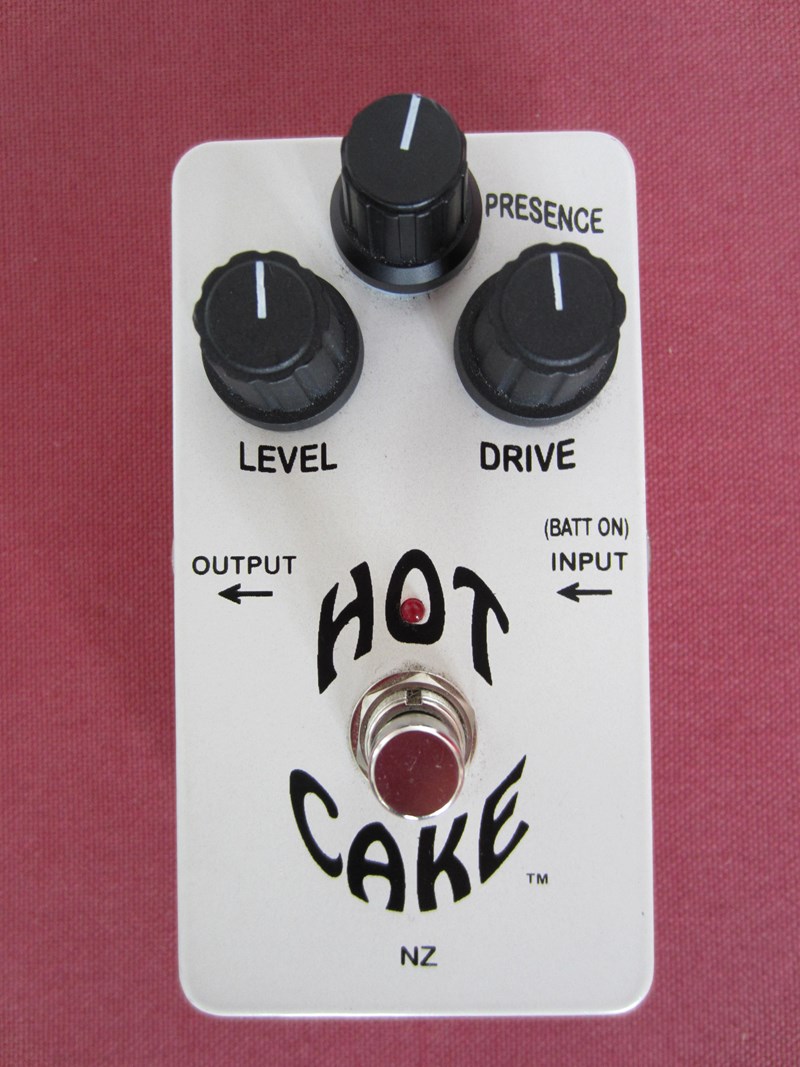
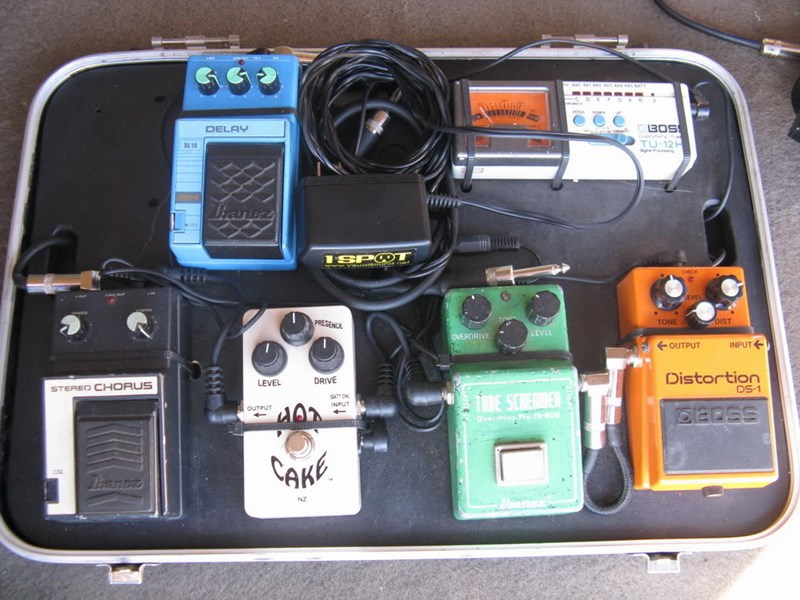
The Hotcake, like other guitar pedals, is a small box that sits at the feet of the guitarist, and can be switched on and off while the musician is in full swing. It adds an effect to the sound of the guitar and makes that distorted, fuzzy sound (mimicking the sound of an overloaded amplifier, without risking damage to the amplifier) that has been at the heart of rock and roll forever.
The idea is to spend thousands of dollars amplifying the sound of a guitar perfectly and then ruin it. But ruin it just right. The effect produced depends on the electronics inside the box, and the Hotcake is globally renowned for its brilliant sound. In music-speak, most distortion effects provide distortion at the expensive of the clean, original character of the guitar.

The Hotcake retains the underlying quality of the guitar while provide a nice fat, thick distortion that guitarists go crazy over.

05.09 Childproof Lids — Claudio Petronelli
Claudio Petronelli

Childproof Lids

Claudio was an engineer by birth; his father was a civil engineer in Rome, and we all know the reputation of Roman civil engineers - their roads and aqueducts were the best in the world! Claudio made a prototype cap in metal, coming up with the 'double-lock' system that we know today. With partner Gavin Park he refined the prototype until he had a working model which they then began manufacturing in plastic. They registered their patent, a process they describe as very costly, and then set about licensing their idea. The patent to their design has now lapsed, but whilst they had it they licensed the manufacture of their childproof lids to an American company, who manufactured millions of them

05.10 Buzzy Bees — Maurice Scheslinger
Maurice Scheslinger

Buzzy Bees

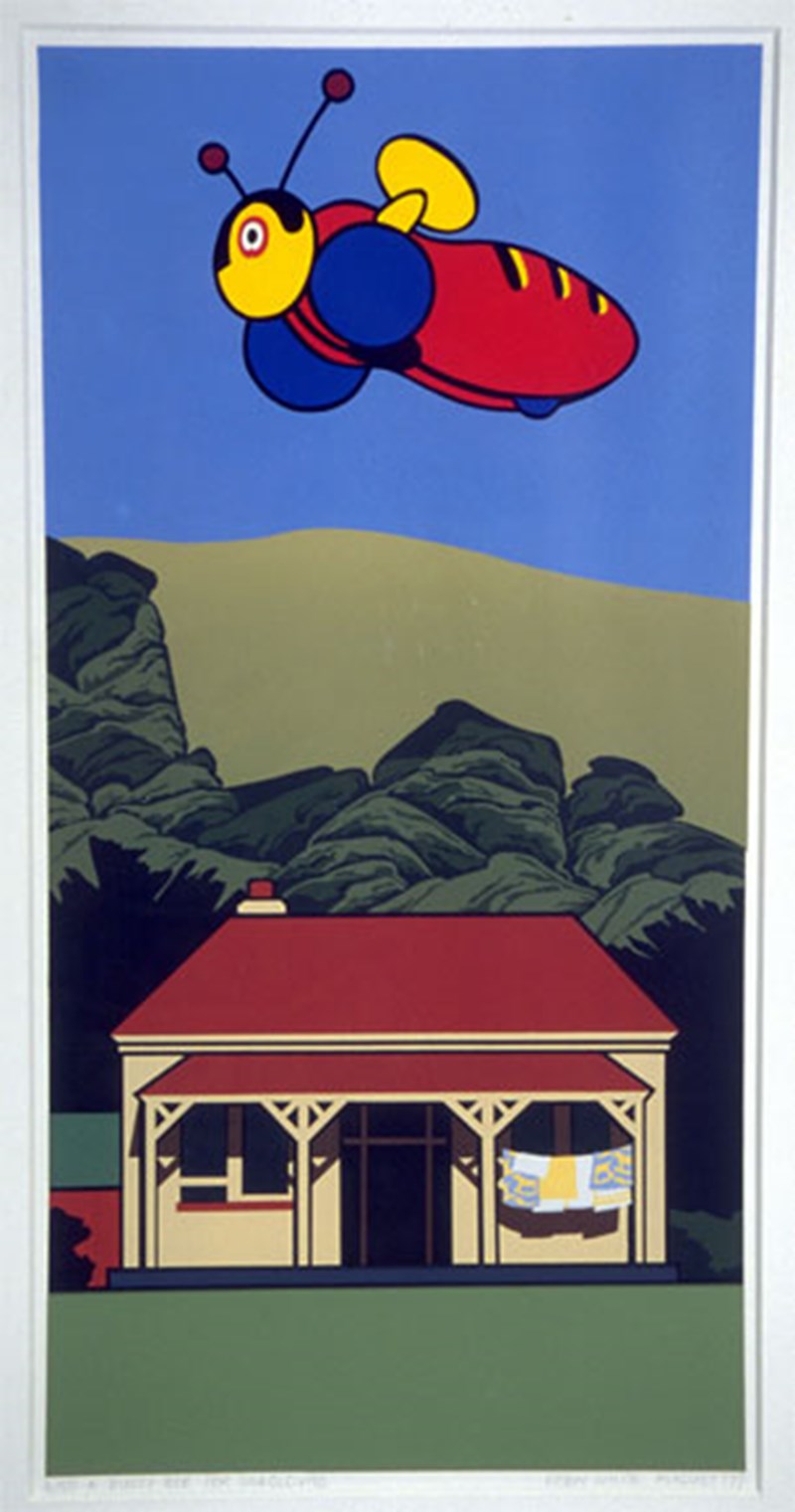
There has always been only one real Buzzy Bee. The numerous patents and trademarks that protect Buzzy Bee have been bought and sold a number of times since the days of Scheslinger, along with the rights to several other of his toys such as the 'Mary Lou Doll' (from 1941) and the inventively named 'Richard Rabbit'. The tradition of Buzzy Bee remains strong.

Several million bees have been made, and sales are still very strong in New Zealand, but Buzzy Bee has never been a huge export. A big part of the Buzzy Bee business in the early twenty-first century is merchandising.

The Buzzy Bee company, located in sunny Warkworth, has issued over a hundred licenses to other firms to manufacture and sell Buzzy Bee pyjamas, lunchboxes, stamps, schoolbags, jewellery, wrapping paper, paperweights, even women's underwear.

05.11 Instant Coffee — David Strang
David Strang

Instant Coffee

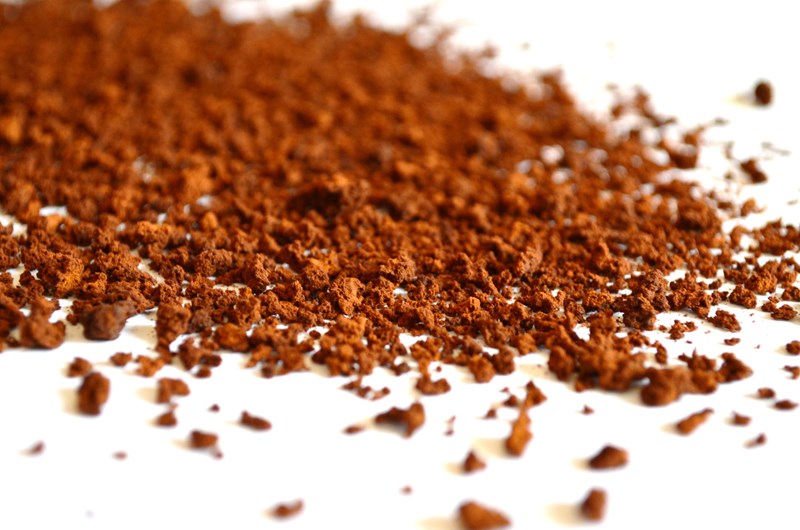
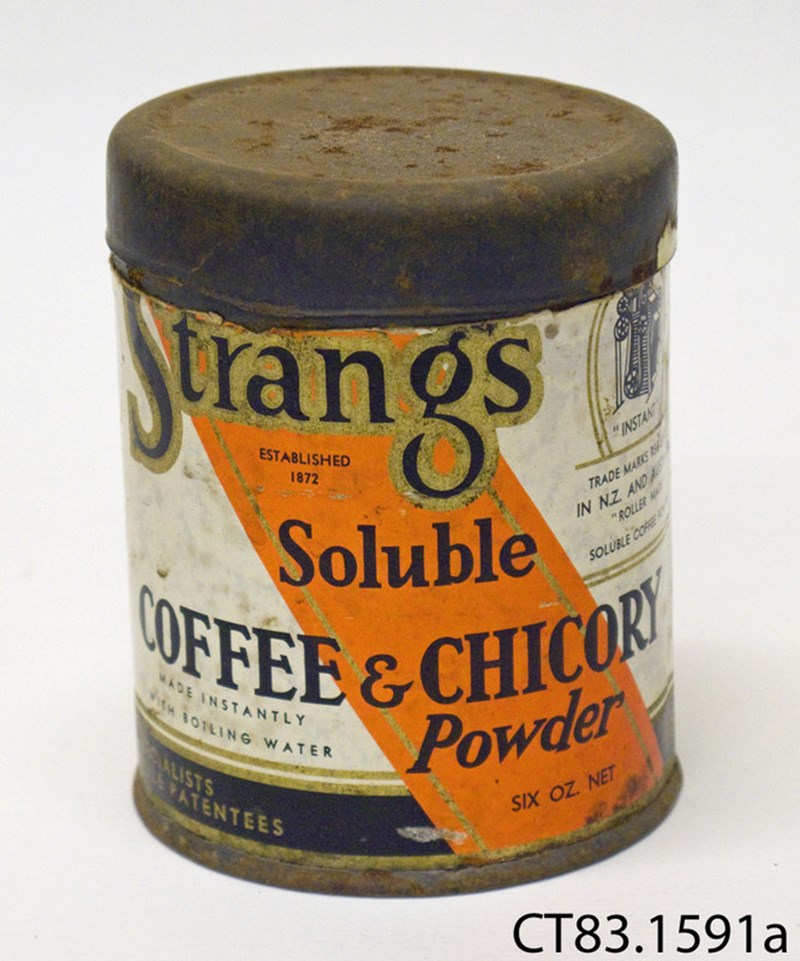
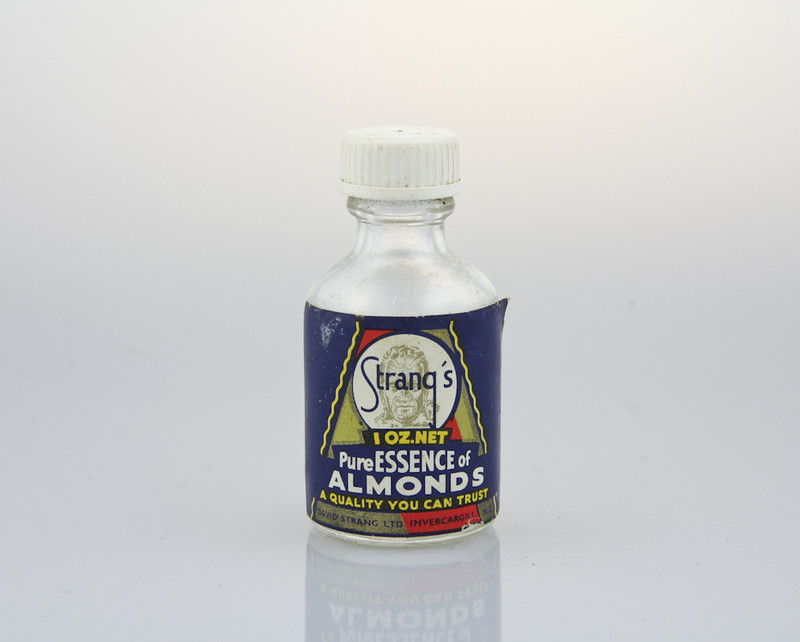
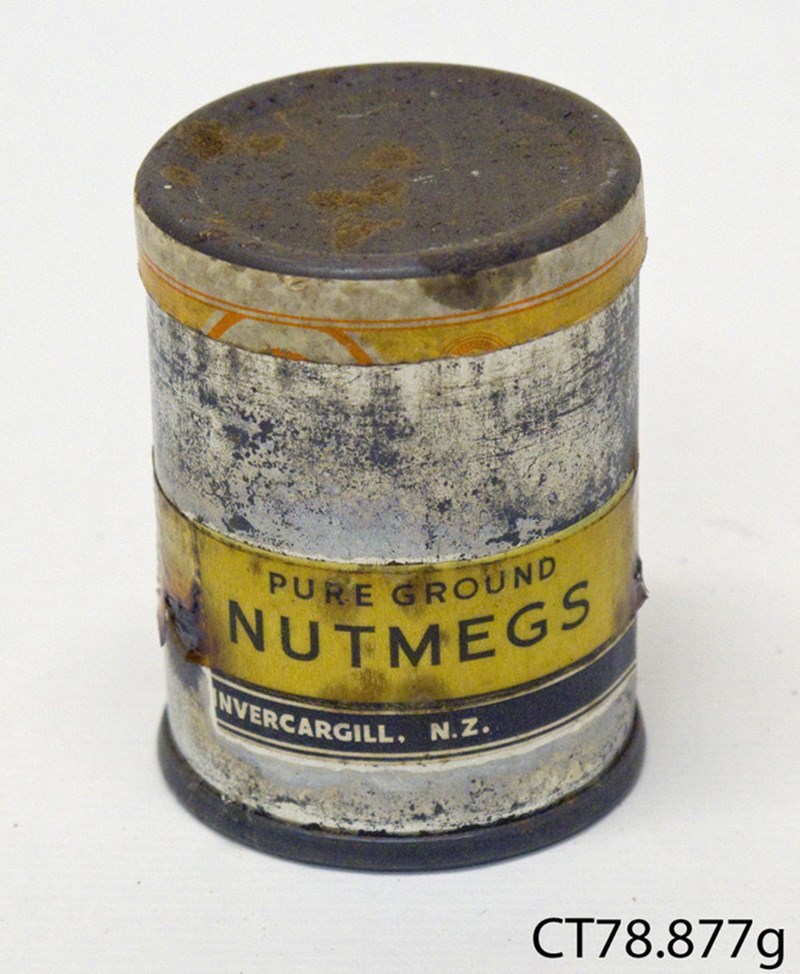
In 1889, coffee and spice merchant Strang created his ‘Dry Hot-Air’ process to convert coffee into soluble granules and then set about patenting it in 1890 – one of the first ever applications of New Zealand’s new patent laws which had only just come into effect. ‘Strang’s Patent Soluble Dry Coffee-powder’ as it was called, had the advantage that it was easier and lighter to ship and had a good shelf life. He packaged it in tins, as he did with his other spice products, and set about marketing and distributing his new invention.

Like many inventions, there was some confusion as to the originator of instant coffee, and for many years a Japanese scientist called Satori Kato working in the USA in 1901 was given the credit for it. Following Strang's invention, others have created new and different ways of making instant coffee, with techniques such as free drying and spray drying being the most popular methods today.

Indeed, Strang's technique for creating instant coffee - sorry, soluble dry coffee powder - is no longer the favoured approach, with other mechanisms proving more efficient. At the time however, Strang's technique for creating coffee was new, and even the coffee snobs of the time were complimentary, with the Otago Daily Times of the day saying 'None of its natural fragrance is destroyed, as is undeniably the case with the vast majority of extracts and essences.'

05.12 Kaynemaile — Kayne Horsham
Kayne Horsham

Kaynemaile

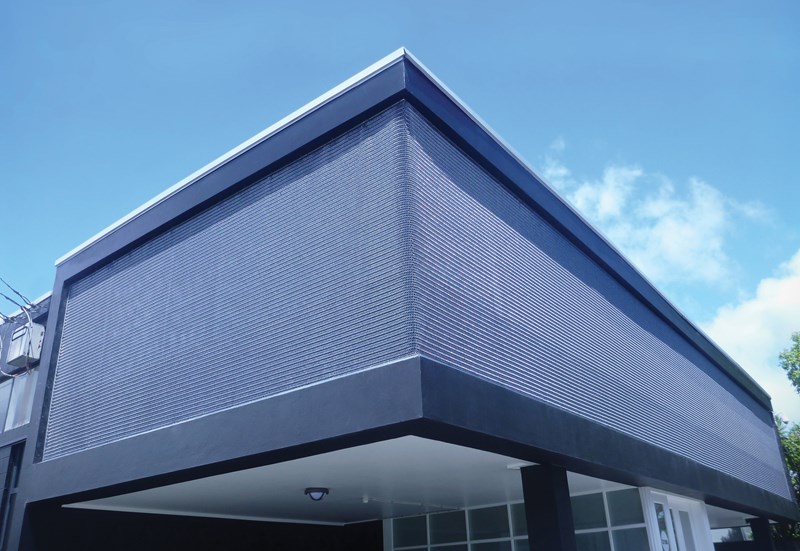
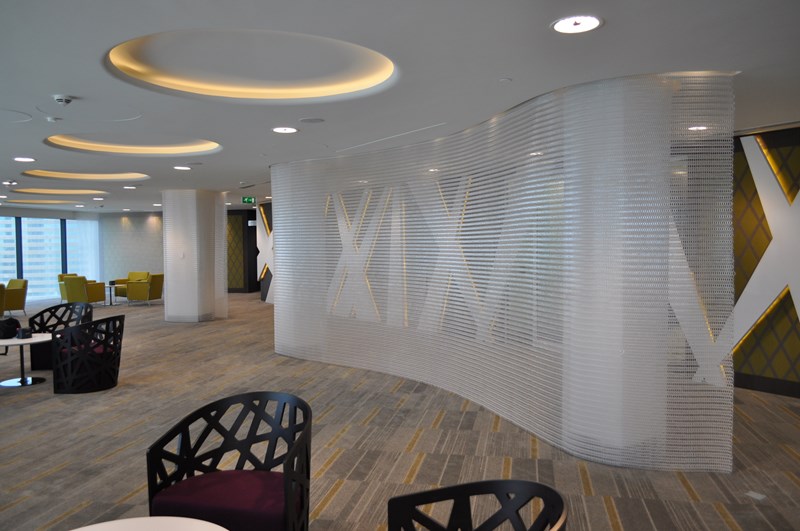
Kayne Horsham was Art Director for Creatures, Armour and Weapons for the Lord of The Rings film trilogy when he realised the fake chain mail that his team was creating could be made a different way.

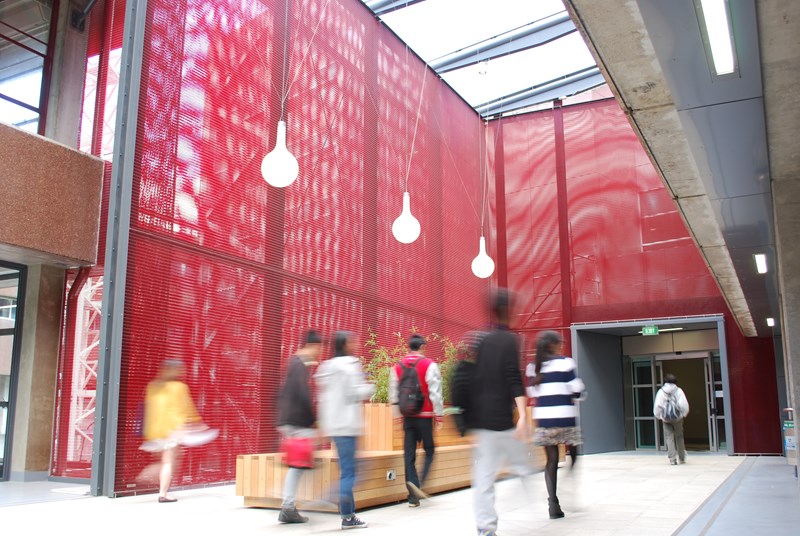
He had an idea for how to create a 2D mesh of solid components that wouldn't suffer from the same breakages he was seeing in the fake armour his team was creating. Taking the name that the actors used to use to describe the fake chain mail he made, he created Kaynemaile - a unique seamless polycarbonate mesh.

Horsham quickly realised his invention had applications far beyond fake chain mail. He started a company and is now making Kaynemail in large quantities for architectural design in building facades, screens and curtains.

05.13 Lanzatech — Sean Simpson
Sean Simpson

Lanzatech

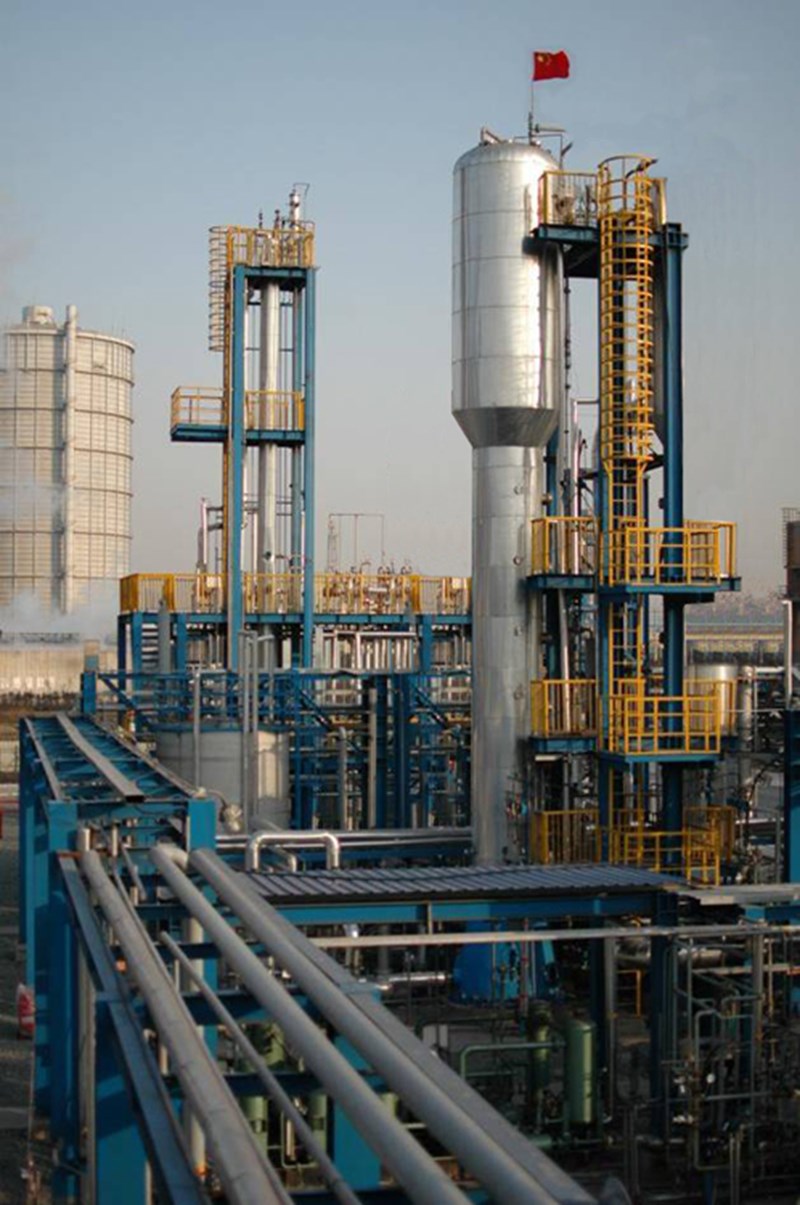
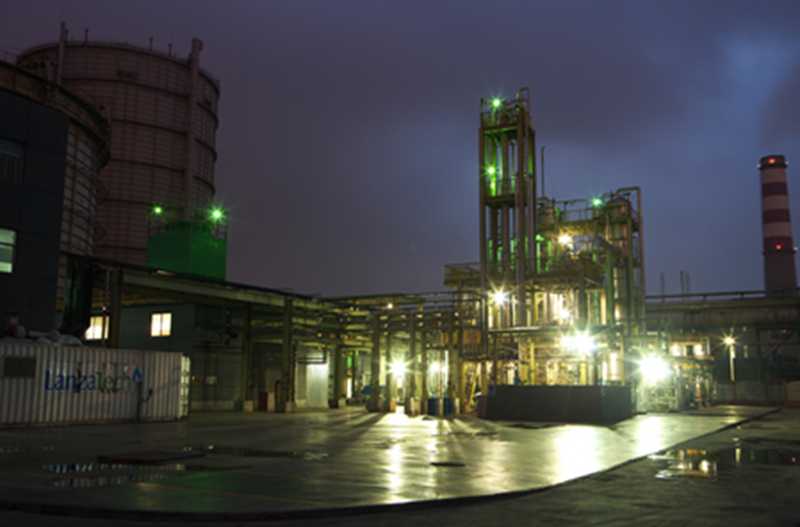
Simpson's insight was that the issue of waste gas is always going to be there. With the world population growing towards 11 billion in the next 20 years, the use of 'alternative energy' sources isn't really going to be enough. That many people need a lot of food, and the corn, palm oil and other sugar-based energy alternatives are not keeping up with demand. The world uses around 85 million barrels of oil a day for energy, manufacturing etc, and it seems like the best idea would be to deal with the efficiency of the energy that is already being used.

An economically sustainable approach is what's needed. Lanzatech's process takes the waste gas from manufacturing, and feeds it into large tanks of his microbes, suspended in liquid. Simpson likens it to putting a brewery next to a steel mill. The bacteria consume the Carbon Dioxide (CO2) and Carbon Monoxide (CO) from the waste gas, add in hydrogen (H) from the liquid, and turn it into ethanol (CH3CH2OH). The other waste of the process happens to be mostly common water, which can be fed back into the tank.

The ethanol can then be used in a number of ways - most commonly it will be sold to petroleum companies to be mixed in with other fossil fuels.

05.14 Kindling cracker — Ayla Hutchinson
Ayla Hutchinson

Kindling cracker

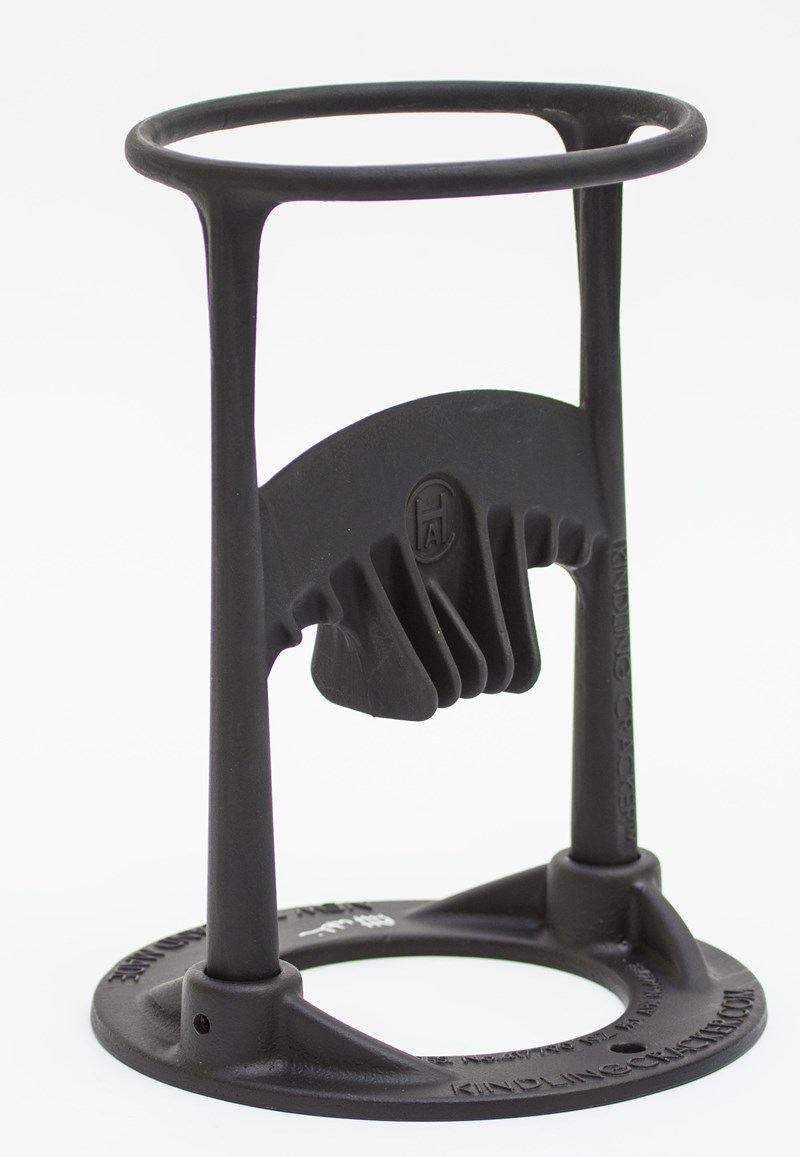
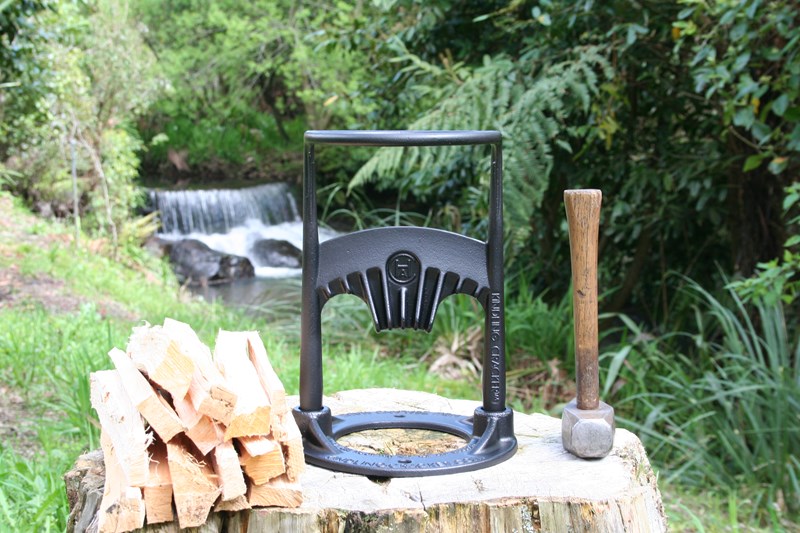
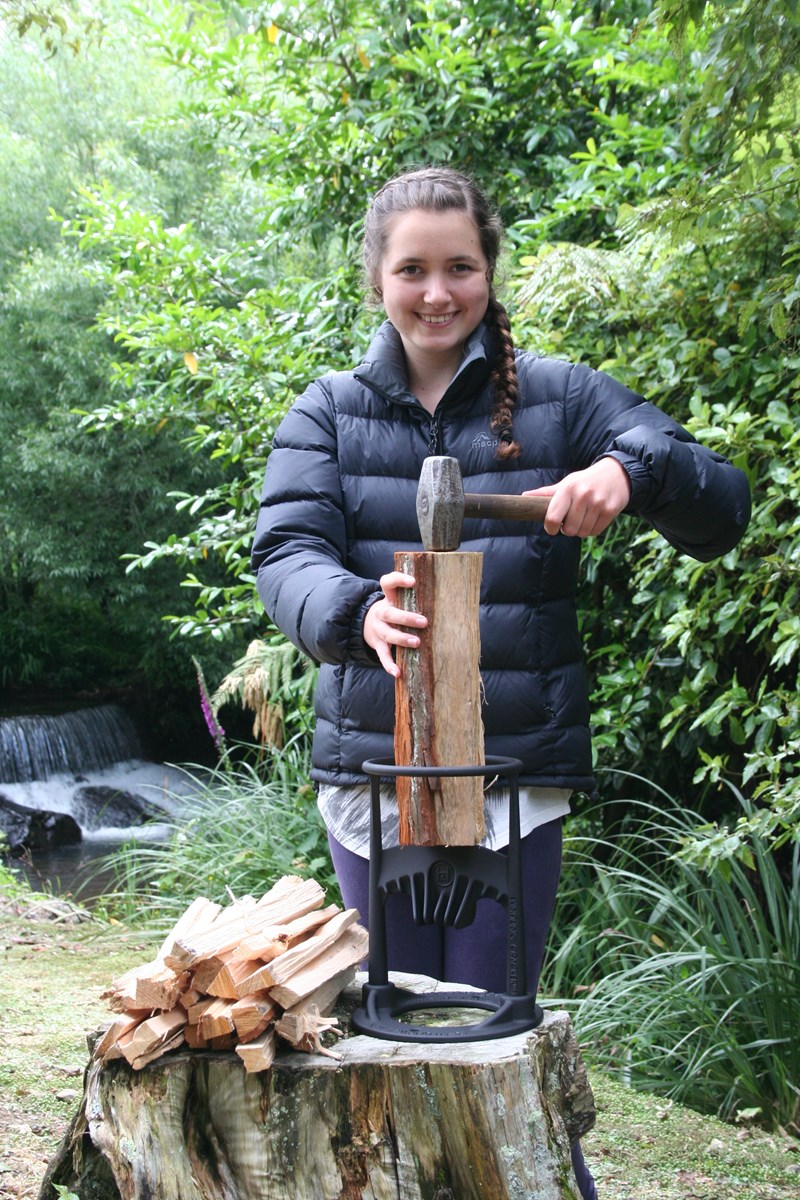
Ayla came up with the idea for the wood chopper after seeing her mother clip the end of her finger with the hatchet while chopping wood. She took her design to her father who welded the head of an axe into a small enclosure. The wood is then put on top of the axe blade and can be hammered down, splitting the wood as it goes.

A simple idea, literally turning the conventional way of chopping wood on its head. It means the blade itself never moves, so you'd have to be pretty unco to cut yourself. While the invention itself is clever, so was the way she and her family then went about capitalising on it - she entered (and won) an innovation award at the 2013 Fieldays event, another at the NZ Innovators Awards and a handful of others to boot.

The publicity from these helped created demand, and with a provisional patent safely filed, the family is now busy commercialising and selling the 'Kindling Crackers' to a NZ and even to a global market.

05.15 Easi Yo — Len Light
Len Light

Easi Yo

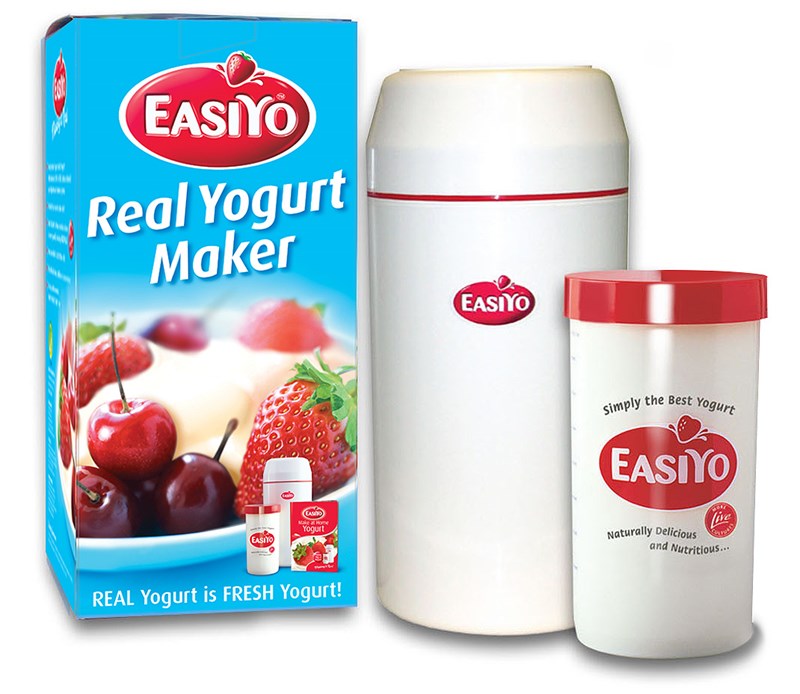
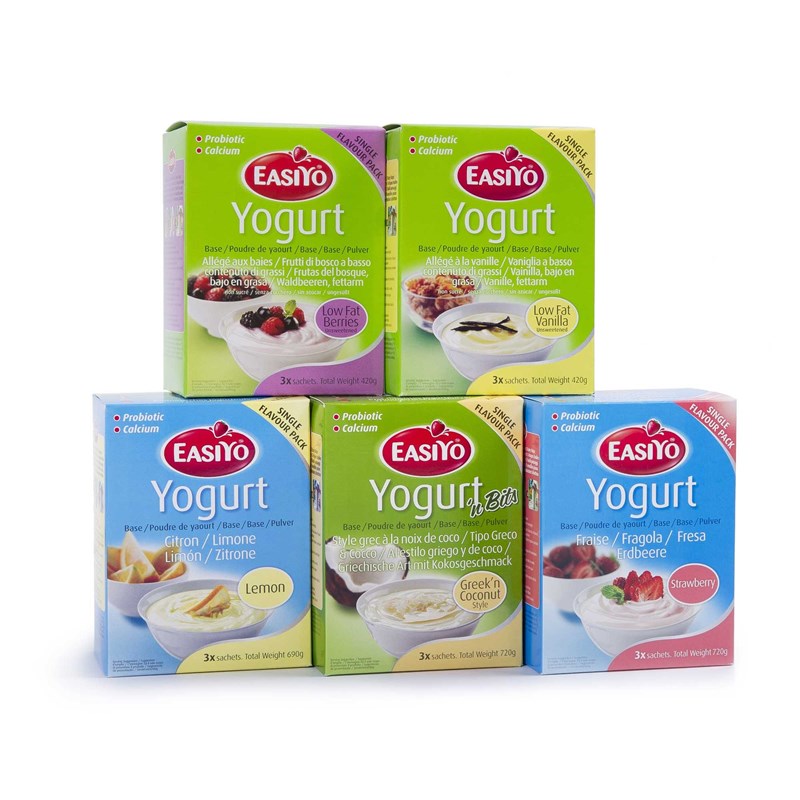
We've all seen EasiYo in the supermarkets, and many of us have an EasiYo maker in the pantry. EasiYo's inventor, Len Light, was the first in the world to invent a successful home yoghurt making kit.

The need was there: cheap supermarket yoghurt often contains preservatives and other nasties. Expensive yoghurt is... expensive, especially when, as Len did, you've got eight children. And all store-bought yoghurt suffers from the fact that the precious bacterial culture, the part that brings all the health benefits, deteriorates over time. By the time you get yoghurt home it isn't nearly as good for you as it was when fresh.

If only everyone, everywhere could easily eat cheap, fresh, pure yoghurt. With that idea in mind Len Light did what any Kiwi man would do. He disappeared into his shed. The 'Easi' part was the hard part. People have always made yoghurt at home, but only dedicated people who are probably, let's face it, slightly nutty. You need a double-boiler and a 'culture' that's been kept alive, and you have to keep the yoghurt at 38 degrees for 7 hours, which unless you live in Darwin, is tricky.

In other words making yoghurt at home was really hard and nobody really bothered to do it.

05.16 Mesynthes — Mesynthes
Mesynthes

Mesynthes

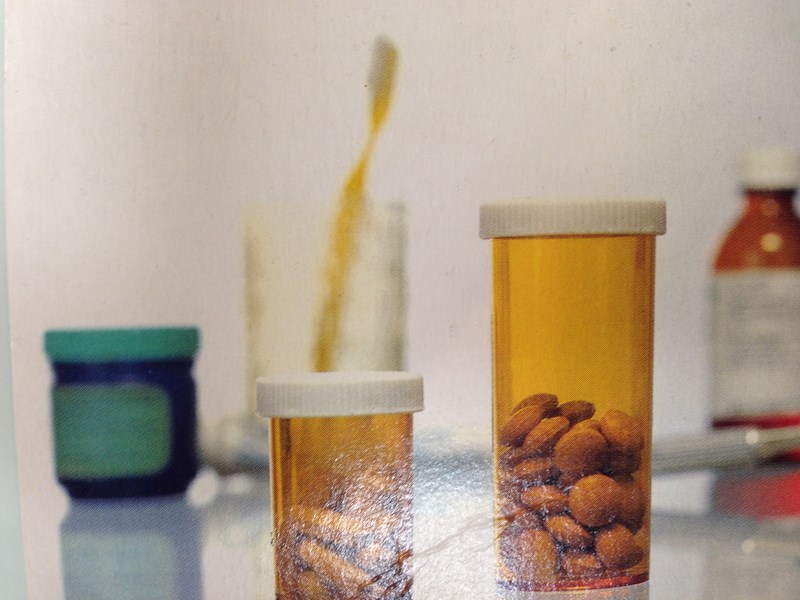
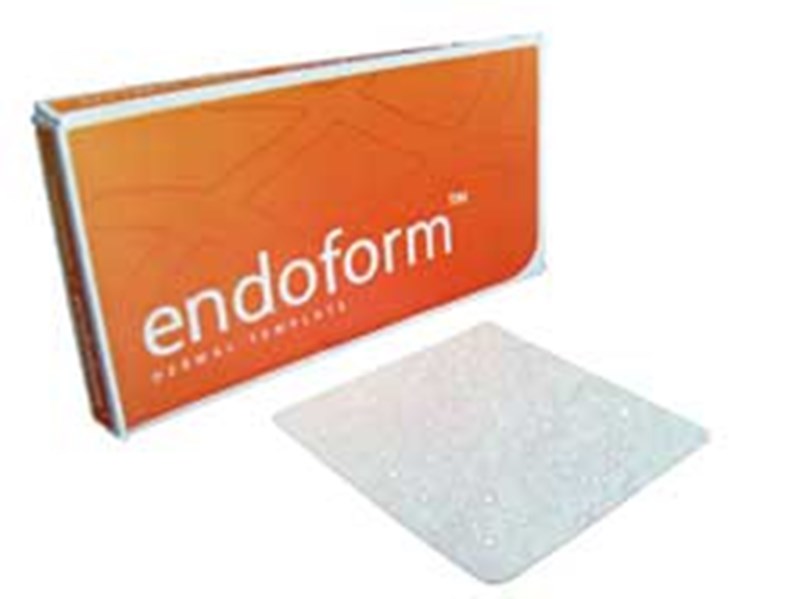
If you don’t like the idea of putting squished-up sheep stomach onto you, then you are missing out on a radical new treatment from Auckland company Mesynthes. Ovine forestomach is treated to remove any elements that would make the human body reject it, and then turned into a ‘matrix’ treatment – like a really flash plaster – that has been proven to have significant benefits in wound treatment.

It’s so good that the US Food and Drug Administration (FDA) has approved it for human use, opening up an important market for the innovative New Zealand company.

Their product Endoform supports the regrowth of human tissue, and can be applied to wounds not only externally but also internally, on ulcers for example. With significant research and IP protection behind them, they are now set to turn this somewhat surprising ingredient into a globally successful product.

05.17 Manuka Honey — Professor Peter Molan
Professor Peter Molan

Manuka Honey

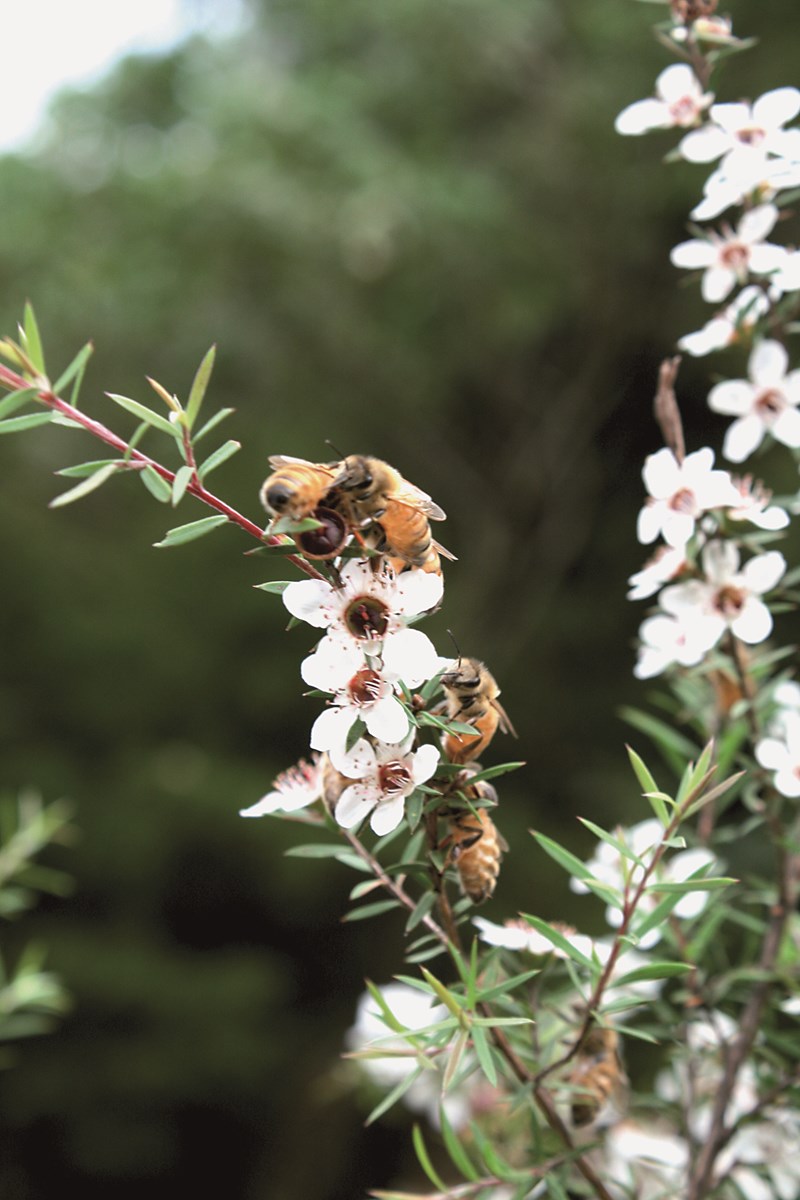
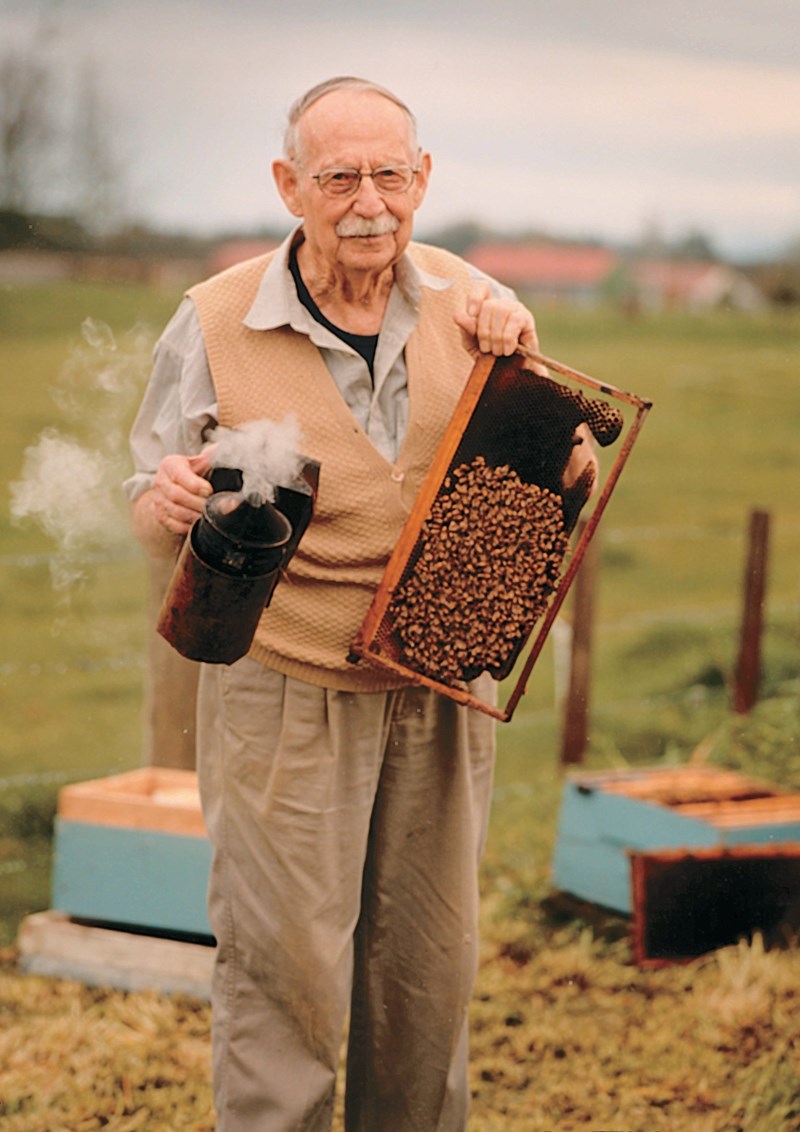
Professor Peter Molan has taken his discovery of the unusual antibacterial activity of Mānuka honey through to the stage where Mānuka honey wound dressings are in use in hospitals and approved by the medical regulatory authorities in many countries.

His research work and publications on the effectiveness of Mānuka honey as an anti-infective agent on the range of bacterial species that infect wounds has raised the interest of medical professionals in using Mānuka honey on wounds. His research has shown additional beneficial effects of honey in wound healing, such as its rapid deodorising and cleaning actions, its marked stimulation of the rate of tissue repair in wounds and the prevention of scarring.

Through his collaboration with wound-care specialists in the development of best practice for treating wounds with honey, he has developed novel dressing materials that allow honey to be applied to wounds in a convenient way, which overcomes the opposition of many clinicians to using a substance that is otherwise sticky and messy.

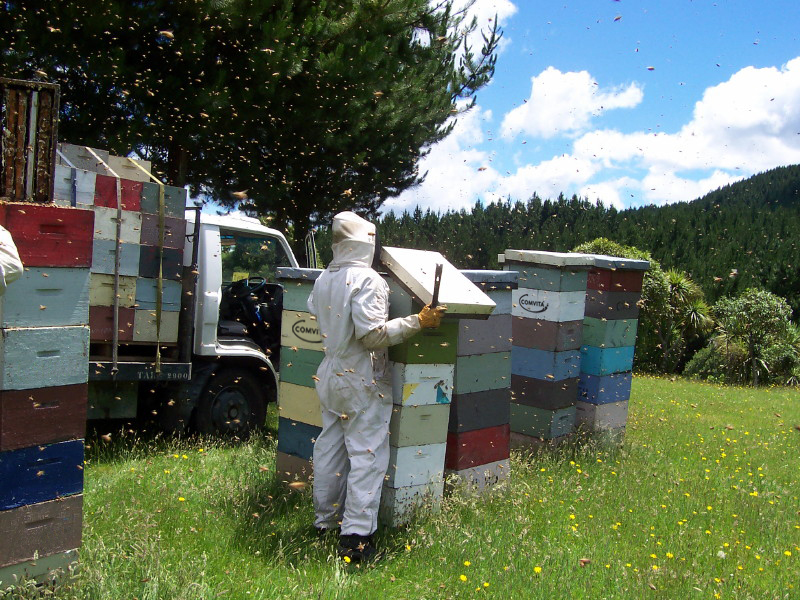
Prof Molan has enabled successful commercialisation of Mānuka honey products for wound care that are now registered as medical devices with the regulatory authorities in Australia, Canada, the countries of the European Union, Hong Kong, New Zealand and the USA, and a number of companies now sucessfully market Medical Honey internationally, including Manuka Health, and Tauranga based Comvita.

05.18 Better Hair Foils — Amanda Buckingham
Amanda Buckingham

Better Hair Foils

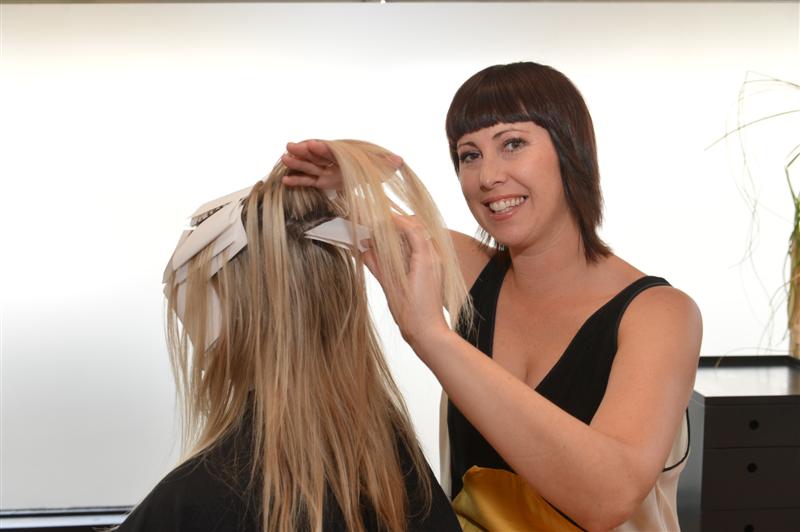
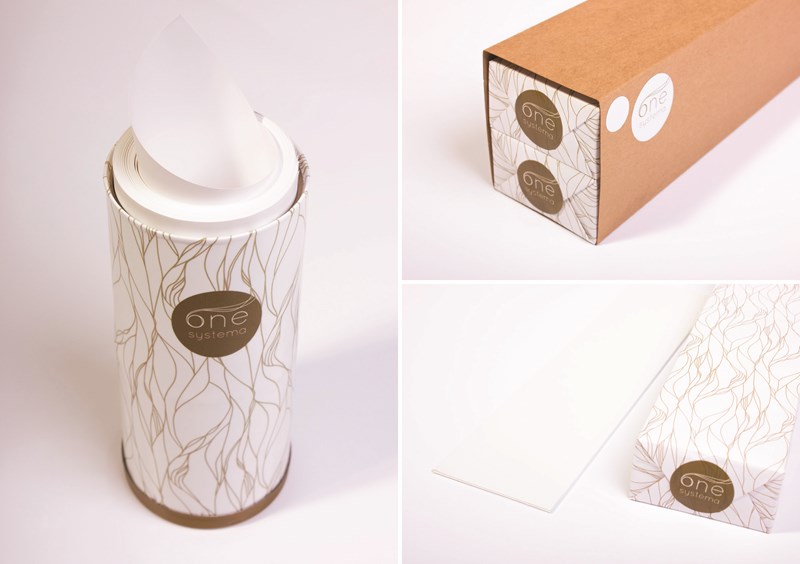
Like most in her trade, Dunedin hairdresser Amanda Buckingham spends a lot of time standing and contemplating things, and one day had a revelation – what if she could replace the foil with something more sustainable? After two years of development with the help of the local polytech, she now has a biodegradable product made of recycled industrial waste, which she can wash and reuse.

Customers also like it because it doesn’t scratch and rustle when being used. Buckingham is working to get her ‘One Systema’ product distributed into the international marketplace and hopes to remain streaks ahead of the competition.

05.19 Biospife — Zespri
Zespri

Biospife

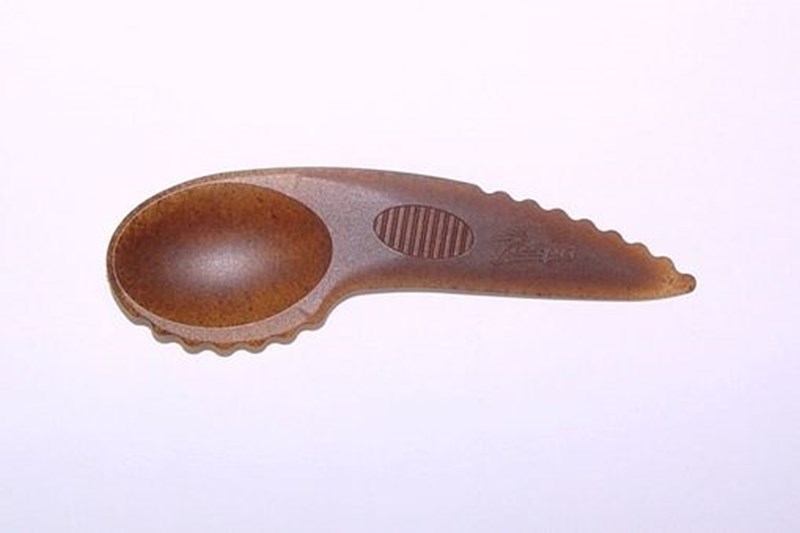
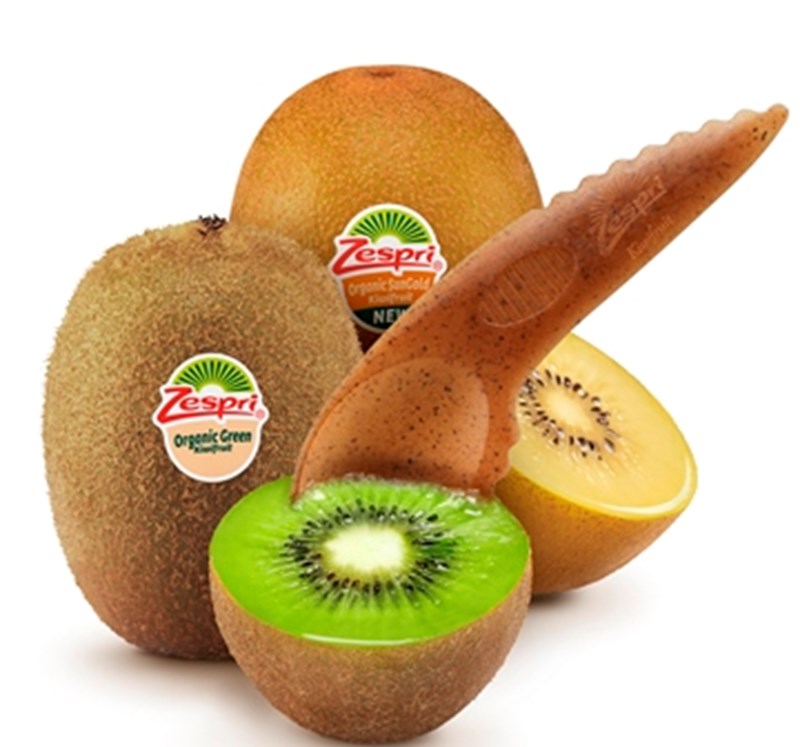
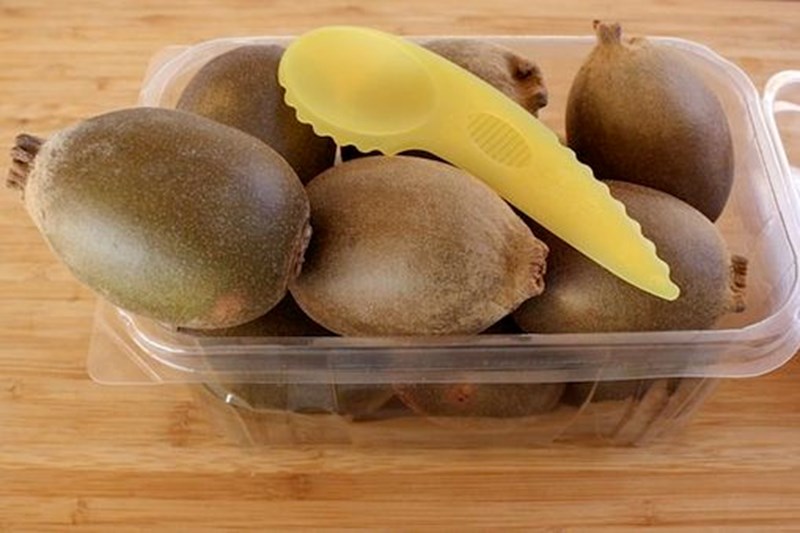
Zespri – purveyors of fine kiwifruit since 1997 – created the ‘spife’ a few years ago. It’s like the child you’d get if you mated a spoon and a knife, and continues the tradition of cutlery grafting made popular by the ‘spork’. The real benefit of the spife is that it can be used as an example of a ‘portmanteau’, a combination of two words to create a new one. A good example of a portmanteau also describes the spife – blintriguing.

Not content with grafting part of a knife onto a spoon, the design gurus in the sunny Bay of Plenty have now achieved the culmination of their cutlery cross-breeding with the creation of a bioplastic spife, or a ‘biospife’. It’s fully compostable and made with bioplastic infused with kiwifruit material. Like its cousin, it’s used to both cut and then scoop kiwifruit so that one may consume their inner deliciousness. Why the age-old technique of squeezing the outer skin while holding near your mouth is not adequate is unclear. However, having said all of that, my kids love the spife and were quite clear that they considered it much more important than any of the other inventions in the book, so here it is. I wonder what mixture of eating utensils will come next? The ‘foon’? The ‘knork’? Heaven forbid, the ‘chopstork’?

05.20 One Beep — One Beep
One Beep

One Beep

All over the developing world the ‘one laptop per child’ initiative is providing the world’s poorest kids with laptops to help with their education. It’s a scheme with one flaw: a lot of those remote areas have no internet, so the laptops become little better than bricks – that you plug in.

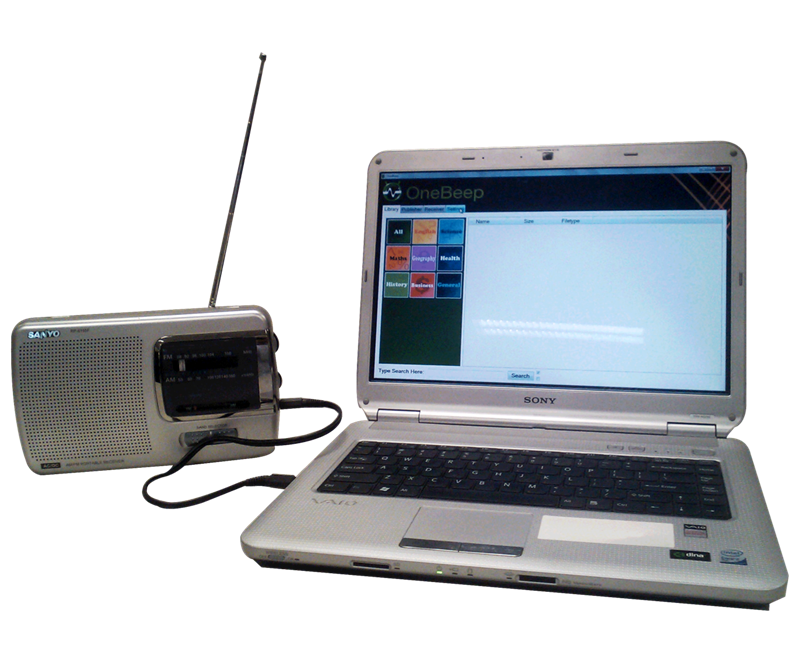
In 2010 a group of Auckland students led by Vinny Lohan came up with a nifty solution: transmit digital material to remote communities by ordinary FM radio. Radio waves can travel huge distances and every village has radios. The technology, called OneBeep, works like this: Anybody with the OneBeep software can convert a file like a pdf or an ebook into a normal mp3 sound file. Yes, a book can become a song! To a computer it’s all just 1s and 0s, but the mp3 file can be broadcast by an FM radio station. You can tell everyone, ‘Maths book being broadcast on 96.3FM at 6pm on Wednesday.’ Then the villagers just plug their radio headphone jacks into their laptop microphone jacks and the OneBeep software in their laptop converts the mp3 ‘song’ file from the broadcast back into an ebook and bingo, remote internet!

What followed was a story of huge success and then great disappointment. In 2010 the OneBeep team took their idea to Microsoft’s Imagine Cup competition in Poland and out of 400,000 students from 190 countries, placed third. In 2011 they won Auckland University’s Spark Challenge and in 2012 entered the Icehouse business incubator. But it soon became clear that to commercialise the idea worldwide was going to be expensive and difficult to do from New Zealand. Further funds became elusive and the team drifted apart.

Vinny Lohan moved to India and at time of writing was determined to launch a Kickstarter campaign to raise the $200,000 needed to release the free, open-source software allowing communities to unlock the power of OneBeep. ‘I won’t let it die,’ says Lohan.

Want the full collection?

All 202 inventions live in the book.

No.8 Re-Wired by David Downs & Jon Bridges, published by Penguin. The complete, illustrated treasury of New Zealand ingenuity.